Hydraulic System Health Checks for Non-Mechanics
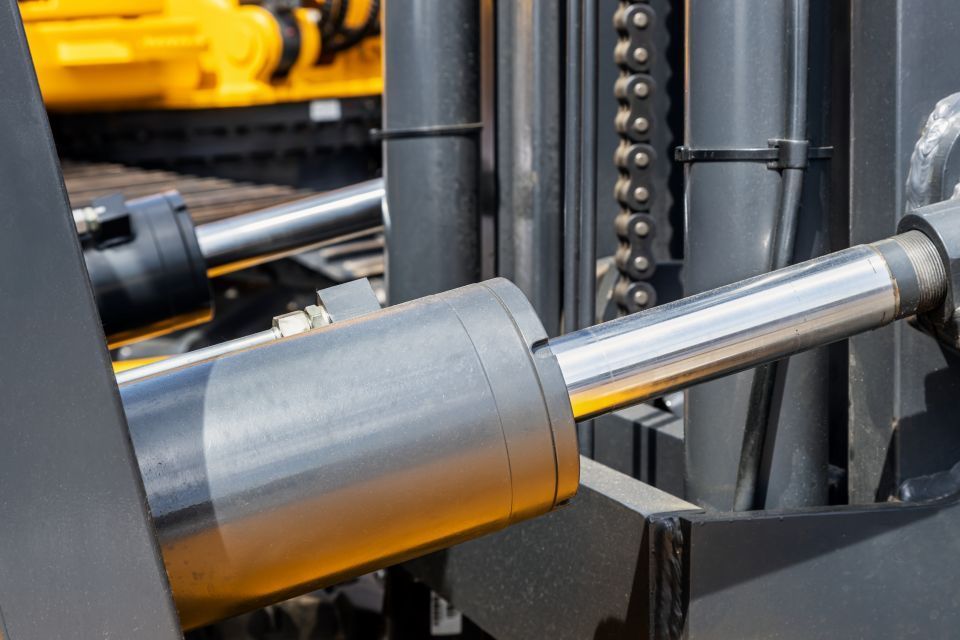
A Practical, Symptom-Based Guide for Forklift Operators and Managers You do not need to be a mechanic to spot hydraulic problems early. Most forklift hydraulic failures do not happen suddenly. They give warning signs. The problem is that many operators ignore them until the forklift slows down, loses lifting power or stops completely. This guide explains simple, symptom-based hydraulic health checks anyone can perform before a small issue becomes an expensive repair. Why Hydraulic Systems Matter Your forklift’s hydraulic system controls lifting, tilting and load handling. If the hydraulics are not working properly, your forklift cannot safely or efficiently do its job. Hydraulic components include: When one part starts to fail, other components are affected quickly. Symptom 1: Slow or Sluggish Lifting If your forklift lifts more slowly than usual, especially under normal loads, this is one of the earliest hydraulic warning signs. Possible causes: What you can check: Slow lift speed should not be ignored. It often progresses into complete loss of lifting power. If the issue continues, book a professional service before damage spreads. Our mobile technicians can come to you if you need hydraulic check and repair in Melbourne. Symptom 2: Jerky or Uneven Mast Movement The mast should move smoothly. If it jerks, hesitates or feels inconsistent, the hydraulic system may have air contamination or valve problems. Common reasons: Jerky movement is not just inconvenient. It is a safety issue, especially when lifting heavy pallets at height. If you notice uneven movement, arrange inspection through our mobile forklift technicians. Symptom 3: Hydraulic Fluid Leaks Visible oil on the ground is the most obvious hydraulic red flag. Check for: Small leaks often start at hose connections or worn seals. If left untreated, they reduce pressure, damage pumps and increase fire risk. Hydraulic hose replacement is far cheaper than pump replacement, so do not ignore. Symptom 4: Unusual Noises When Lifting Hydraulic systems should not scream, grind or whine excessively. Listen for: These noises may indicate: Noise is often the first audible sign that pressure is not building correctly. If you hear new sounds, schedule a preventative maintenance check rather than waiting for failure. Symptom 5: Forks Drift Down While Raised If you raise the forks and they slowly lower without control input, this is usually internal hydraulic leakage. Possible causes: This symptom should be treated urgently. Drifting forks can cause load instability and serious safety risks. Symptom 6: Overheating Hydraulic systems generate heat, but excessive heat signals inefficiency. Signs include: Heat accelerates fluid breakdown and damages seals. Once seals fail, leaks increase rapidly. When to Call a Professional Hydraulic issues rarely fix themselves. They worsen with continued use. At Heavy Lift Forklifts, our technicians diagnose hydraulic faults quickly, whether on site or in workshop. We service all makes and models including LPG, diesel and electric units. If you suspect a hydraulic issue or want to implement a preventative maintenance plan, speak with the team at Heavy Lift Forklifts today. For urgent issues, contact our team on (03) 9762 4965. Heavy Lift Forklifts Our showroom: 826 Mountain Hwy, Bayswater VIC Call us on: (03) 9762 4965
What Really Matters with 3.5 m Racking Height and 2.8 m Aisles?
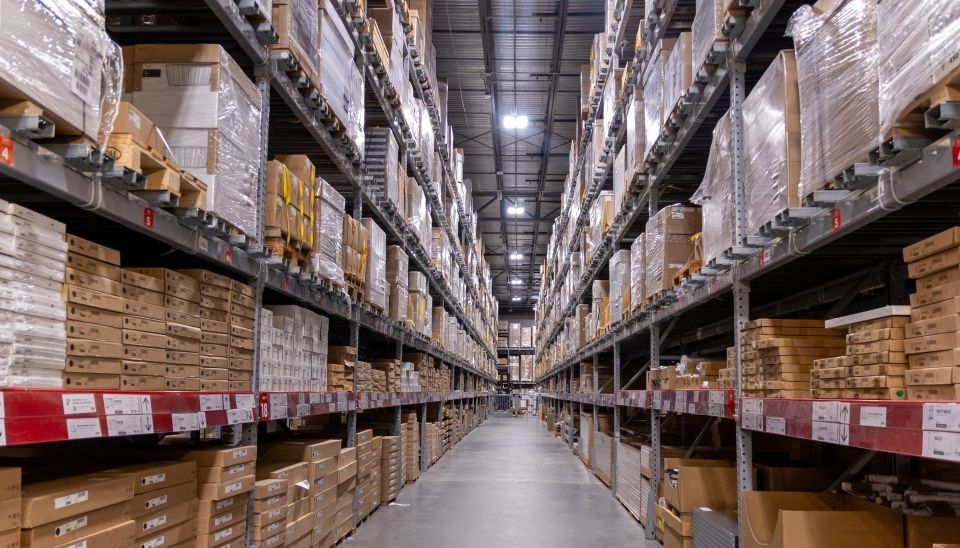
When planning a warehouse layout, figures like racking height and aisle width look straightforward on paper. A 3.5 metre rack with 2.8 metre aisles can appear efficient and practical. In reality, those dimensions influence far more than storage capacity. They affect compliance, equipment choice, safety margins and day to day productivity. Before locking in a layout, it is worth understanding what these numbers really mean in practice. Why 3.5 m Racking Height Is More Than Just a Number A 3.5 metre rack sounds modest, but the usable height is rarely the same as the steel height. The first consideration is overhead clearance. Sprinklers, lighting, ducting and structural beams all reduce the true working space. Fire regulations require clearance between stored goods and sprinkler heads, which can reduce your effective storage height by a few hundred millimetres. That difference matters. Load height is another factor. Pallets are rarely perfectly uniform. Stretch wrap bulges, cartons shift and product overhangs. If beam levels are set too tightly, forklift operators have little room to manoeuvre, increasing the risk of damage to stock and racking. A small allowance in vertical clearance can make daily operations much smoother. Lift capability must also be checked. Not every forklift can safely handle its rated load at full height. Residual capacity reduces as lift height increases. If this is overlooked, you can end up with equipment that struggles at the top beam level. Finally, rack height ties directly into engineering and compliance requirements. Load calculations, anchoring and structural integrity must meet Australian standards. Even at 3.5 metres, proper design and certification are essential. Are 2.8 Metre Aisles Wide Enough in Practice? A 2.8 metre aisle looks efficient on a drawing. In operation, it can feel very different. The starting point is your forklift. Standard counterbalance forklifts often require more space than expected to complete a right angle stack, particularly with common Australian pallet sizes. Reach trucks are generally better suited to narrower aisles, but the exact operating width must be confirmed against manufacturer specifications. Driver movement also needs to be considered. Operators require space to adjust alignment and compensate for minor pallet inconsistencies. In tighter aisles, small misjudgements can lead to frequent rack contact. Over time, that increases maintenance costs and safety risk. Turning space at aisle ends is equally important. Even if the aisle itself works, limited cross aisle width can slow positioning and create congestion during busy periods. Two way travel is usually unrealistic at 2.8 metres, so traffic flow planning becomes critical. Aisle width is not just about fitting between two racks. It is about whether the operation can move consistently and safely every day. Your Pallets and Loads Will Decide If This Works Warehouse design often assumes clean, standard pallet dimensions. Reality is more variable. Many Australian operations use CHEP pallets at roughly 1165 mm square, while others use 1200 x 1000 pallets. Once loaded, wrapped and transported, the actual footprint often grows. Overhang, damaged pallets and inconsistent stacking all add up. In narrow aisles and tighter vertical clearances, those small differences matter. Minor overhang can lead to beam strikes. Slightly uneven loads can complicate placement at height. There is also cumulative tolerance to consider. Forks are not always perfectly level. Beams deflect under load. Floors are not perfectly flat. Each factor might seem minor on its own, but together they can affect placement accuracy in tight layouts. Designing around actual load behaviour rather than ideal dimensions is what keeps the system working smoothly. Do Not Overlook the Floor and Structure The slab and building structure are often the hidden constraints in warehouse design. Forklifts and racking create concentrated point loads. If the slab was not designed for high density storage, issues such as cracking, anchoring limitations or long term settlement can arise. Anchor performance is particularly important in narrower aisles, where impact risk is higher. Floor flatness and levelness also influence performance, especially with reach trucks. Minor unevenness can affect stability and fork levelling accuracy in tighter environments. Building columns, roof trusses and bracing can further limit layout flexibility. These structural elements need to be factored into the plan early, not adjusted around later. Compliance and Rack Design Is Not Just a Formality Steel storage racking in Australia must comply with AS 4084. That means proper engineering design, documented load ratings and clear signage. Load limits depend on upright capacity, beam configuration and how pallets are distributed. Changing pallet weights or beam levels without review can push the system outside its design limits. Protection is equally important. Narrower aisles increase the chance of impact, so upright protectors and end of aisle guards are essential. Regular inspections help identify damage before it becomes a structural issue. Compliance is not simply paperwork. It ensures the system performs safely under real operational conditions. How Operational Strategy Impacts Throughput A layout only works if it supports how the warehouse actually runs. Storage type influences traffic and access. Single deep selective racking offers flexibility but requires disciplined movement in tighter aisles. Higher density systems increase storage capacity but can slow access and change forklift behaviour. Traffic planning becomes critical in 2.8 metre aisles. One way systems, defined staging areas and sensible slotting strategies reduce congestion. High frequency SKUs should not create pressure points in narrow sections. Safety and productivity are closely linked. Clear pedestrian separation, well positioned charging areas and adequate turning space all contribute to smoother flow. Conclusion A 3.5 metre rack with 2.8 metre aisles can be a workable and efficient solution, but only when the equipment, loads, building structure and operational strategy are aligned. The key is not whether the racks fit inside the building. It is whether the warehouse can operate safely and consistently within those dimensions. Validating forklift requirements, confirming true pallet sizes, reviewing slab capacity and ensuring compliance from the outset reduces costly adjustments later. With careful planning, tight dimensions can perform well. Without it, they quickly become operational friction. Heavy Lift Forklifts Our showroom: 826 Mountain Hwy, Bayswater VIC Call us on: (03) 9762 4965
Forklift Stability Triangle & Turning, Braking and Uneven Loads (Real Scenarios)
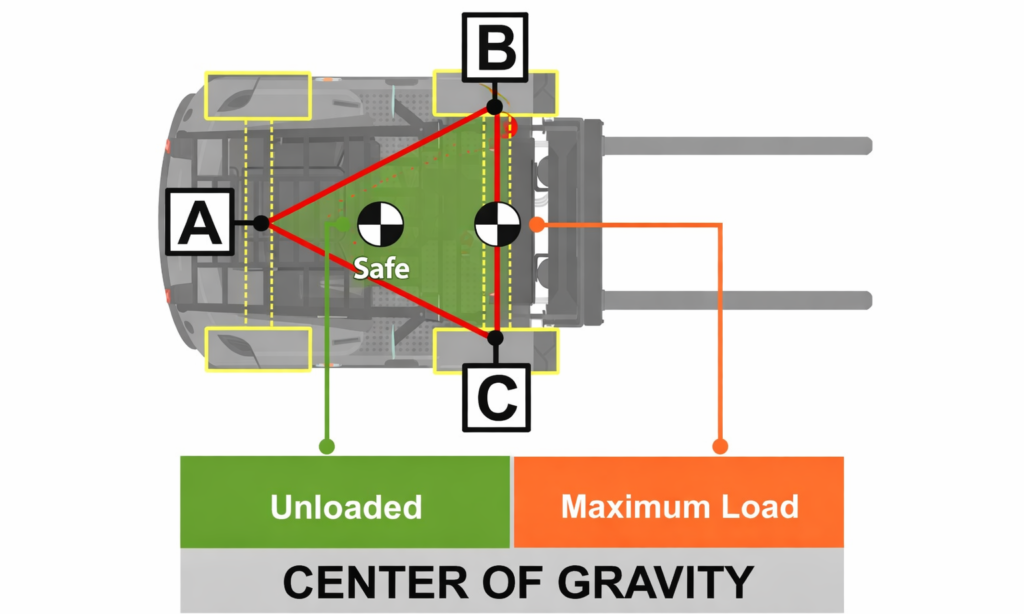
Most forklift operators have seen the stability triangle during training. It is usually shown as a simple diagram with three points and a shaded area in the middle. Easy enough to understand in theory, easy to forget once the warehouse gets busy. But the forklift stability triangle is not just a classroom concept. It explains why forklifts tip during sharp turns, why sudden braking can be dangerous with a heavy load, and why uneven pallets create more risk than many people realise. Nearly every stability-related incident can be traced back to one thing: the combined centre of gravity moving outside that triangle. In real warehouse conditions, forklifts are constantly accelerating, stopping, turning and lifting. Loads are not always perfectly balanced and floors are not always perfectly flat. When you understand how the stability triangle behaves in these everyday situations, you start to recognise risk before it becomes an accident. What Is the Forklift Stability Triangle? The forklift stability triangle explains how a forklift stays upright. Most standard counterbalance forklifts sit on three support points: the two front wheels and the pivot point of the rear axle. If you connect those three points, you create a triangle. That triangle forms the machine’s stability base. As long as the combined centre of gravity of the forklift and its load remains inside that triangle, the forklift stays stable. Once that balance point moves outside the triangle, the forklift tips forward or sideways. Both the forklift and the load have their own centre of gravity. When a pallet is lifted, those two combine into one balance point. That combined centre of gravity shifts depending on load weight, load height, steering input, braking and surface conditions. The stability triangle is not just about speed. It is about where that balance point sits at any given moment. Understanding that movement is what prevents tip-overs. See why 1,500kg Becomes Unsafe at 800mm… Scenario 1: Turning Too Fast with a Raised Load This is one of the most common causes of forklift tip-overs. Imagine an operator retrieves a pallet from the top beam and begins travelling without fully lowering it. At the end of the aisle, they take a corner a little too quickly. Two things happen. First, the raised load lifts the combined centre of gravity higher, which reduces stability. A higher centre of gravity makes the forklift more sensitive to sideways movement. Second, when the forklift turns, centrifugal force pushes that centre of gravity outward toward the outside front wheel. The faster the turn, the stronger the force. If the centre of gravity crosses the edge of the stability triangle, the forklift tips sideways. There is often little warning before it happens. This is why most sideways tip-overs occur during turns. Keeping loads low and slowing before corners dramatically reduces this risk. Scenario 2: Braking Hard with a Heavy Load Braking may not feel as risky as turning, but it can be just as dangerous. Picture an operator travelling with a heavy pallet. A pedestrian steps out unexpectedly, and the operator brakes suddenly. When braking hard, weight shifts forward. The load continues moving due to momentum, pushing the combined centre of gravity toward the front axle. If that balance point moves beyond the front edge of the triangle, the forklift tips forward. The risk increases if the load is elevated or the mast is tilted forward. Higher speed also increases the force involved in stopping. Maintaining safe travel speeds and adequate stopping distance reduces the likelihood of sudden, aggressive braking that pushes the forklift beyond its stable zone. Scenario 3: Uneven or Off-Centre Loads Not every pallet is perfectly balanced. Product may shift during transport, cartons may be stacked unevenly, or a load may extend further past one fork. Even a damaged pallet can create imbalance. When weight is uneven, the centre of gravity shifts toward the heavier side. That shift might be small, but it reduces your stability margin. Add turning, braking or surface variation and the risk increases quickly. The forklift may still be within its rated capacity, but stability is not just about total weight. It is about weight distribution. Checking load condition, spacing forks correctly and exercising extra caution with irregular loads helps maintain balance within the triangle. Scenario 4: Ramps and Uneven Surfaces Loading docks, yard areas and ramps introduce another layer of risk. On an incline, the centre of gravity shifts depending on travel direction. Driving downhill with a load moves weight forward. If the load is raised or braking occurs at the same time, the risk of a forward tip-over increases. Side slopes push the centre of gravity toward the lower side of the forklift. Turning on a slope compounds that effect. Uneven surfaces such as potholes or dock plates can also cause sudden shifts in balance when one wheel drops or rises unexpectedly. Travelling with the load facing uphill, keeping loads low and avoiding turns on slopes are simple but critical stability practices. Read more about how to improve forklift safety and prevent accidents… How Load Height Changes Everything Load height has a major impact on stability. When a load is low, the combined centre of gravity remains lower, increasing stability. As the load is raised, that balance point rises and the forklift becomes more sensitive to movement. At height, turning forces, braking forces and steering inputs have a greater effect. The margin for error shrinks. This is why safe operating procedures emphasise travelling with loads lowered and only raising them when stationary and positioned at racking. Height amplifies every other stability factor. Common Myths About Forklift Stability There are a few persistent myths about forklift stability that sound logical but do not hold up when you look at how the stability triangle actually works. These misconceptions often lead to overconfidence, which is where risk starts to build. “If it’s rated for 2.5 tonnes, it can lift 2.5 tonnes anywhere.” Not necessarily. Capacity ratings are based on specific load centres and conditions. Raise the load, extend it forward, or add an attachment and the effective capacity changes. The stability triangle does not care about
How to Read a Forklift Data Plate
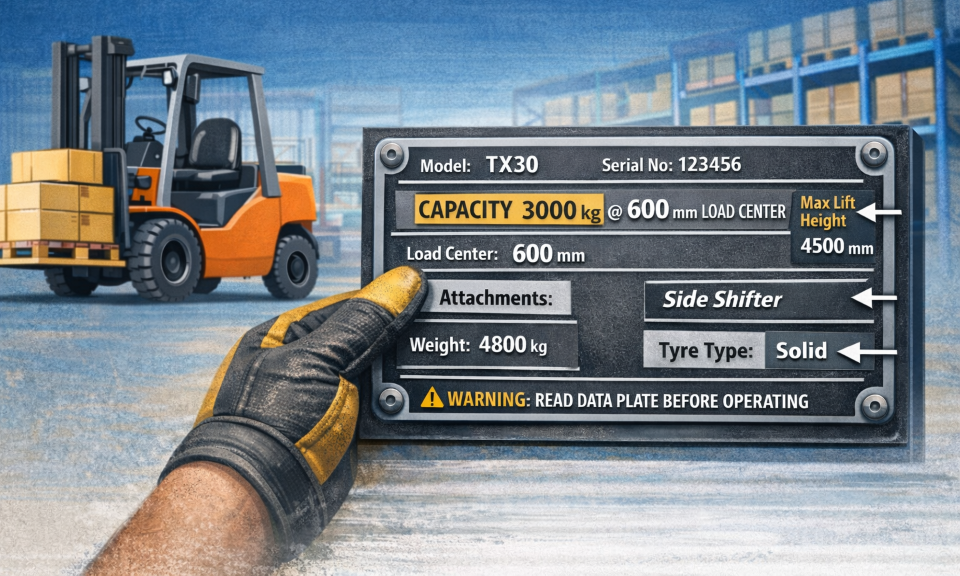
Every forklift has clear operating limits, and those limits are defined on the forklift data plate. This small metal plate is one of the most important safety features on any forklift, yet it is often misunderstood or ignored. Knowing how to read a forklift data plate is essential for preventing tip overs, avoiding overloading, and meeting workplace safety obligations in Australia. A forklift data plate sets out the manufacturer approved capacity of the machine under specific conditions. It explains how much weight the forklift can safely lift, how high it can lift it, and under what configuration that capacity applies. Importantly, the data plate forklift information must always be read as a whole. Focusing on a single number without understanding the context can lead to unsafe decisions. What Is a Forklift Data Plate? A forklift data plate is a permanently fixed plate fitted to a forklift by the manufacturer or an authorised engineer. It displays the forklift’s rated capacity and operating limits based on a defined configuration. You may also hear it referred to as a data plate for forklift, capacity plate, or nameplate. Regardless of the term used, its purpose is the same. It tells the operator exactly how the forklift must be used to remain safe and compliant. The information on the plate is not a guideline or recommendation. It is a certified limit based on engineering design, stability testing, and regulatory requirements. Where to Find the Data Plate on a Forklift On most counterbalance forklifts, the data plate is mounted inside the operator compartment. Common locations include the dashboard area, near the steering column, or on the overhead guard leg. On other forklift types, the location can vary. Reach trucks and pallet stackers often have the plate mounted near the operator console. Rough terrain forklifts may have it positioned near the seat or control panel. If a data plate is missing, damaged, or unreadable, the forklift should not be operated until it is replaced. Operating without a readable plate is a safety and compliance issue. Legal and Workplace Safety Requirements in Australia Under Australian work health and safety requirements, forklifts must be operated within the limits specified by the manufacturer. The data plate is the formal record of those limits. Employers are responsible for ensuring forklifts are maintained, correctly configured, and fitted with accurate data plates. Operators are responsible for reading and following the information on the plate before lifting a load. Using a forklift without a data plate, or exceeding the plate’s limits, exposes both operators and businesses to serious risk and potential penalties. What Information Is Shown on a Forklift Data Plate While layouts vary by manufacturer, most forklift data plates include the same core information. Each of these elements works together. A forklift is only rated to lift a specific weight at a specific height and load centre, with a specific mast and attachment setup. Rated Capacity: What the Number Really Represents Rated capacity is the maximum load the forklift can safely lift under the exact conditions shown on the plate. This figure assumes the forklift is correctly configured and the load matches the stated parameters. A common mistake is assuming the forklift can always lift this weight in every situation. In reality, rated capacity applies only when all listed conditions are met. This is where many operators confuse lifting ability with stability. A forklift may be able to raise a load hydraulically but still be unsafe to operate. For a deeper explanation of how capacity changes under different conditions, see what Is residual capacity. Load Centre and Distance The data plate will specify a load centre distance, which relates to how the load’s weight is distributed on the forks. This value is critical to stability, but it is often misunderstood. At a high level, longer or uneven loads move weight further forward, reducing safe capacity. Read more about forklift load centre distance here, and a particular scenario where 1,500kg may become unsafe at 800mm. Lift Height and Mast Configuration Lift height is another key factor shown on the forklift data plate. As lift height increases, forklift stability decreases. This is why capacity ratings often reduce at higher mast extensions. Different mast types, such as duplex or triplex masts, affect how and when capacity changes. The data plate reflects the mast fitted to the forklift at the time it was rated. Operators must ensure the lift height shown on the plate matches the height at which they intend to place the load. Attachments and Capacity Derating Forklift attachments such as sideshifters, clamps, jibs, or fork extensions all affect capacity. These attachments change the forklift’s centre of gravity and increase leverage on the front axle. If a forklift is fitted with an attachment, the original data plate may no longer be valid. An updated plate must be issued that reflects the reduced capacity. Operating with attachments without an updated data plate is a common and serious safety breach. How to Read a Forklift Data Plate Step by Step Before lifting any load, operators should follow a simple process. If any condition differs, the rated capacity no longer applies. Common Forklift Data Plate Mistakes to Avoid These mistakes are a leading cause of forklift incidents and tip overs. What to Do If a Load Exceeds the Data Plate Rating If the load exceeds the data plate rating, the solution is never to push the limits. Safer options include reducing the load size, using a forklift with higher capacity, changing the attachment, or selecting different equipment altogether. The data plate exists to prevent incidents, not slow down operations. Operator Responsibility and Ongoing Training Reading and understanding the forklift data plate is a core operator skill. Training should emphasise not just what the numbers say, but how they apply in real workplaces. Refresher training is particularly important when operators move between different forklift types or work environments. Why the Data Plate Should Always Come First The forklift data plate is the single most important reference for safe operation. It defines the true limits of the
Forklift Load Centre Distance Explained: What It Is and Why It Matters
What Is Load Centre Distance on a Forklift? Forklift load centre distance is one of the most important factors affecting lifting safety, yet it is often misunderstood or ignored in day to day operations. While many operators focus on load weight alone, it is the distance of that weight from the forklift that determines how stable the machine really is. Understanding load centre distance helps prevent tip overs, dropped loads, unstable steering, and incorrect forklift selection. It also explains why a forklift may lift a load physically, but still be operating outside safe limits. Forklift Load Centre Distance Definition Load centre distance is the horizontal distance from the vertical face of the forklift forks to the centre of gravity of the load being lifted. If the load is uniform and balanced, its centre of gravity sits halfway between the front and back of the load. Load centre distance measures how far forward that balance point sits in relation to the forklift. This distance matters because the further the load’s centre of gravity is from the fork face, the more leverage it places on the forklift’s front axle, reducing stability. What Is Load Centre in a Forklift Used For? Load centre distance is used by manufacturers to determine and rate a forklift’s lifting capacity. Most standard forklifts are rated at a 500mm or 600mm load centre. This represents a typical pallet with evenly distributed weight under ideal conditions. The rated capacity shown on the data plate is only valid at that specified load centre. Load centre distance is also used to assess stability. As the load centre increases, the forklift’s safe capacity decreases, even if the load weight remains unchanged. Where Is Load Centre Distance Measured on a Forklift? Load centre distance is measured from the vertical face of the forks, not from the tips of the forks or the mast. The measurement runs horizontally to the centre of gravity of the load. For a standard pallet, this is often assumed to be halfway through the pallet depth. For example, a pallet that is 1,000mm deep will typically have a load centre distance of 500mm. Pallet depth, load shape, overhang, and uneven weight distribution all affect where the centre of gravity sits, which means the load centre distance must be assessed based on the actual load, not assumptions. How to Work Out Forklift Load Centre Distance To work out forklift load centre distance, start by measuring the total depth of the load from front to back. Divide that measurement by two to find the approximate centre of gravity for evenly distributed loads. That distance, measured from the fork face, is the load centre distance. If the load is uneven, overhanging, or irregularly shaped, the centre of gravity may sit further forward. In these cases, visual assessment alone is unreliable and conservative assumptions should be made. Common mistakes include measuring from the fork tips, ignoring overhang, assuming all pallets are standard, and failing to account for attachments that move the load forward. Why Load Centre Distance Reduces Forklift Capacity Forklifts rotate around the front axle when lifting. As load centre distance increases, the load applies more leverage around this pivot point. This increased leverage shifts the combined centre of gravity of the forklift and load forward. As that shift occurs, stability decreases and the forklift’s safe working capacity is reduced. This is why a forklift may be able to lift a load hydraulically but still be unsafe to operate. Lifting force and stability limits are not the same thing. Common Situations That Increase Load Centre Distance Load Centre Distance vs Load Weight Load weight alone does not determine whether a lift is safe. A relatively light load can be dangerous if its centre of gravity is far forward. Load centre distance and load weight work together. As either increases, stability decreases. When both increase at the same time, risk rises quickly. This is why forklifts can appear to handle loads comfortably while operating outside safe limits. The issue is not the weight itself, but where that weight sits. See why 1,500kg Becomes Unsafe at 800mm… How Load Centre Distance Affects Residual Capacity Residual capacity is the forklift’s true safe lifting capacity once real operating conditions are considered. Load centre distance is one of the biggest factors reducing residual capacity. As the load centre increases, the amount of weight the forklift can safely lift drops, sometimes significantly. This is why data plates and load charts must be read with the actual load centre in mind, not just the headline capacity figure. *The information provided in this article is for informational purposes only. It is not intended to serve as a substitute for professional training or certification. Operating a forklift requires proper training and a valid licence in Australia. All forklift operators must obtain the necessary license and undergo comprehensive training to ensure safe and compliant operation. Our team can help you choose the safest and most efficient model for your needs. Explore our range of forklift hire Melbourne options or browse our forklifts for sale Melbourne, with fast delivery available across Victoria. Heavy Lift Forklifts Our showroom: 826 Mountain Hwy, Bayswater VIC Call us on: (03) 9762 4965
Load Centre vs Load Weight: Why 1,500kg Becomes Unsafe at 800mm
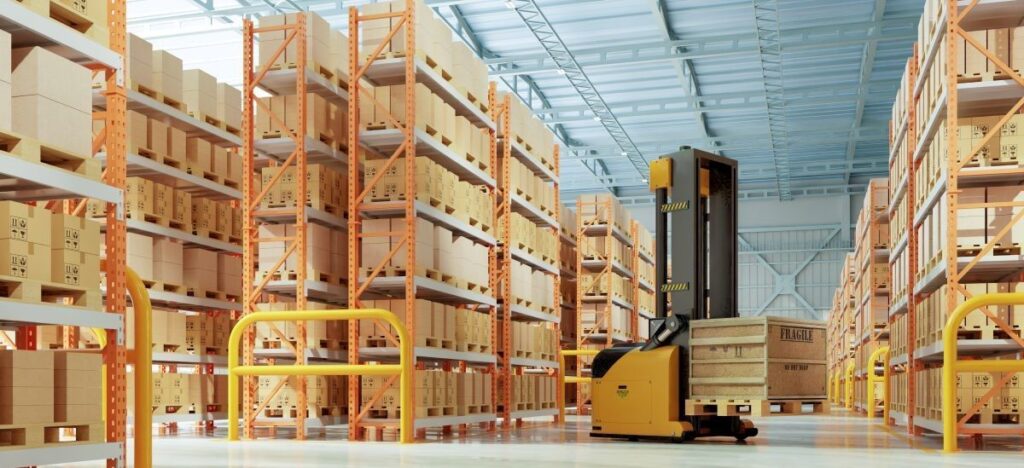
Forklift capacity is often reduced to a single number on the data plate. If the load weighs less than that figure, it is commonly assumed to be safe to lift and transport. In practice, that capacity only applies under specific conditions. Once those conditions change, the forklift’s safe working capacity can drop significantly. A common and dangerous misunderstanding is treating load weight and load centre as the same thing. A 1,500kg load can become unsafe simply because its weight sits further forward on the forks. This misunderstanding contributes to tip overs, unstable steering, dropped loads, and near misses. The forklift may still lift the load, creating false confidence, even though it is operating outside safe stability limits. What Load Weight Actually Means Rated load weight is the maximum load a forklift can handle safely under defined conditions. It assumes a specific load shape, size, and position, operation on level ground, and no attachments fitted. Manufacturers establish this rating during testing by balancing the counterweight, wheelbase, mast, and hydraulics against a standard load centre, usually 500mm or 600mm from the fork face. Under those controlled conditions, the forklift meets stability requirements and the result becomes the rated capacity. This rating only applies while those conditions remain unchanged. Any increase in load centre, change in load shape, added attachment, raised lift height, or uneven surface immediately reduces the forklift’s safe capacity, even if the load weight itself stays the same. What Load Centre Means in Real Terms Load centre is the horizontal distance from the fork face to the centre of gravity of the load. As that distance increases, the load applies more leverage to the forklift, reducing stability. In real operations, loads rarely match the standard assumptions used for rating. Deeper pallets, overhanging loads, stillages, IBCs, and irregular items push the centre of gravity forward. Attachments such as fork extensions or clamps increase this distance further, often without operators realising how much stability is being lost. As load centre increases, residual capacity decreases. A load that is within the rated weight can still exceed the forklift’s true safe capacity simply because its centre of gravity is further forward. What a “1,500kg at 500mm” Rating Really Means A rating of “1,500kg at 500mm” means the forklift can safely lift that load only if the centre of gravity sits exactly 500mm from the fork face. The load must be evenly distributed, positioned against the backrest, handled without attachments, and lifted on level ground. Few real world loads meet these conditions. Many pallets are deeper than standard, loads are uneven, and attachments push the load forward. Even small changes in pallet depth or load shape can move the centre of gravity beyond 500mm or 600mm. When that happens, the original rating no longer applies and the safe working capacity is lower than the figure on the data plate. How a 1,500kg Load Becomes Unsafe at 800mm A forklift remains stable only while the load’s centre of gravity stays within its design limits. When a 1,500kg load shifts out to an 800mm load centre, the balance of the forklift changes significantly. As the load moves forward, it creates greater leverage around the front axle. This increases the forward tipping force, even though the load weight has not changed. At 800mm, the load places far more stress on the forklift’s stability system than it does at 500mm. In practical terms, a forklift rated at 1,500kg at 500mm may have a safe working capacity closer to 1,100kg or less at an 800mm load centre. The forklift may still lift the load, but steering, braking, and stability margins are reduced. The risk increases sharply when turning, braking, travelling on ramps, or lifting to height. Why Forklifts Still Lift Loads That Exceed Safe Capacity Forklifts can lift loads beyond their safe capacity because hydraulic power and stability are separate limits. The hydraulic system may have enough force to raise the load even when the forklift is already outside its stability envelope. Stability depends on balance, not lifting force. Once the combined centre of gravity moves too far forward, the forklift operates with minimal margin. Steering becomes lighter, braking effectiveness drops, and resistance to tipping is reduced, especially during movement. This leads to false confidence. If a similar load was lifted previously without incident, unsafe behaviour can become normalised. Eventually, a small change such as a sharper turn, higher lift height, or sudden stop is enough to cause a tip over or dropped load. Load Charts and Data Plates Data plates and load charts show the safe operating limits of a forklift, but they are often misread. The data plate lists capacity at a specific load centre and lift height, assuming standard conditions and no attachments. Load charts show how capacity reduces as load centre increases, lift height changes, or attachments are fitted. To read a chart correctly, identify your load centre, then match it to the intended lift height. The figure at that point is the maximum safe capacity for that situation. Common mistakes include focusing only on the highest capacity figure, ignoring reduced capacities at longer load centres, and failing to account for attachments. Load charts should always be read with an understanding of residual capacity, as they reflect how real operating conditions reduce stability. Signs Your Load Centre Is Creating a Safety Risk Early warning signs often appear before an incident. How to Reduce Risk When Load Centre Increases When load centre increases, the safest response is to adjust the task, not push the forklift harder. — If limitations are affecting safety or productivity, the right forklift setup is critical. Heavy Lift Forklifts offers forklifts for hire in Melbourne, along with new and used forklifts for sale to suit different load shapes, pallet depths, and operating environments. Whether you need short term hire for oversized loads or are reviewing your fleet to improve stability and residual capacity, our team can help you select equipment matched to the task. Speak with Heavy Lift Forklifts to discuss forklift rental or available forklifts across Melbourne. Heavy Lift Forklifts Our showroom: 826 Mountain Hwy, Bayswater VIC Call us on: (03) 9762 4965
The True Cost of Owning a Forklift Over 5 Years
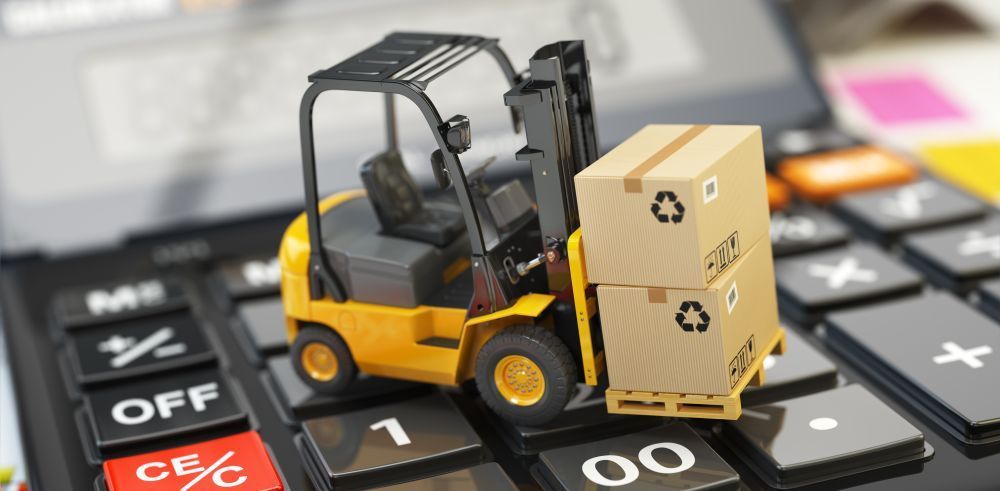
The True Cost of Owning a Forklift Over 5 Years (And When Hiring Makes More Sense) For many businesses, the decision between buying or hiring a forklift is often made on upfront price alone. But the real cost of a forklift is not what you pay on day one. It is what the machine costs your business over its entire working life. When you factor in depreciation, maintenance, downtime, compliance and changing operational needs, hiring can often be the smarter and more cost effective option, particularly in fast moving or project based industries. Here, we break down the true 5 year cost of forklift ownership and explains when forklift hire makes more financial and operational sense. What Does It Really Cost to Own a Forklift Over 5 Years? Owning a forklift comes with both visible and hidden costs. Over a typical 5 year ownership period, these expenses can quietly exceed expectations. 1. Purchase Price and Depreciation A new forklift in Australia commonly costs between $30,000 and $50,000 depending on capacity, fuel type and specification. From the moment it is commissioned, the asset begins to depreciate. In many cases, forklifts lose 15 to 20 percent of their value each year. After five years, resale value is often significantly lower than business owners anticipate. 2. Servicing, Maintenance and Repairs Routine servicing is unavoidable and essential for compliance and safety. On top of scheduled maintenance, wear items such as tyres, brakes, hydraulics and batteries add ongoing costs. Unexpected breakdowns also create downtime, lost productivity and urgent repair bills, particularly in high use or harsh environments. 3. Fuel, Energy and Battery Costs Diesel and LPG forklifts carry ongoing fuel costs that fluctuate with market pricing. Electric forklifts reduce emissions but introduce battery replacement expenses that can be substantial over a 5 year period. 4. Compliance, Insurance and Safety Obligations Forklifts must meet Australian workplace safety standards, undergo regular inspections and remain compliant with evolving regulations. Insurance premiums and compliance costs continue for the life of the machine. 5. Downtime and Opportunity Cost When a forklift is offline due to maintenance or mechanical issues, operations slow or stop. Ownership places the risk of downtime entirely on the business, along with the opportunity cost of capital tied up in equipment rather than growth. Why Forklift Hire Sometimes Delivers Better Value Forklift hire shifts many of these costs and risks away from your business. Hiring provides predictable monthly costs, access to modern equipment and the flexibility to scale your fleet up or down as demand changes. Maintenance, servicing and compliance are typically included, reducing operational complexity. For businesses with fluctuating workloads, this flexibility alone can outweigh ownership savings. Industries Where Forklift Hire Makes More Sense Construction and Civil Projects Forklifts are often needed for defined phases rather than entire project lifecycles. Hiring avoids purchasing equipment that sits idle once the job is complete. Warehousing and Logistics with Seasonal Peaks Retail, freight and distribution operations often experience demand spikes during peak seasons. Hiring allows businesses to add capacity without long term commitments. Manufacturing with Changing Requirements As production lines evolve, forklift specifications can change. Hire fleets make it easier to match equipment to current needs rather than being locked into outdated machinery. Short Term, Overflow or Backup Requirements Hiring is ideal when forklifts are needed temporarily, as contingency units, or to support warehouse expansions and relocations. When Buying a Forklift Still Makes Sense Ownership can still be viable where forklifts are used continuously across multiple shifts, every day of the year, and where requirements are stable and predictable. Large scale distribution centres and long term manufacturing operations with dedicated maintenance teams often justify ownership through high utilisation. Is Renting a Smarter Long Term Strategy? For many businesses, forklift rental is no longer a short term solution. It is a strategic decision that improves cash flow, reduces risk and ensures access to reliable, compliant equipment. If you are weighing up costs or need flexible access to modern forklifts, see our forklift hire Melbourne page. We offer rental solutions for construction, warehousing, logistics and industrial sites across Melbourne. Final Thoughts The true cost of owning a forklift is rarely just the purchase price. Over five years, ownership introduces depreciation, maintenance, compliance and downtime risks that can quietly impact profitability. Renting provides a flexible, lower risk alternative that aligns with modern business needs, particularly in industries where demand changes quickly. For Melbourne businesses focused on efficiency and scalability, hiring from Heavy Lift Forklifts often delivers better value and fewer headaches. Heavy Lift Forklifts Our showroom: 826 Mountain Hwy, Bayswater VIC Call us on: (03) 9762 4965
Agricultural Forklift Trends in Victoria’s Farming Regions
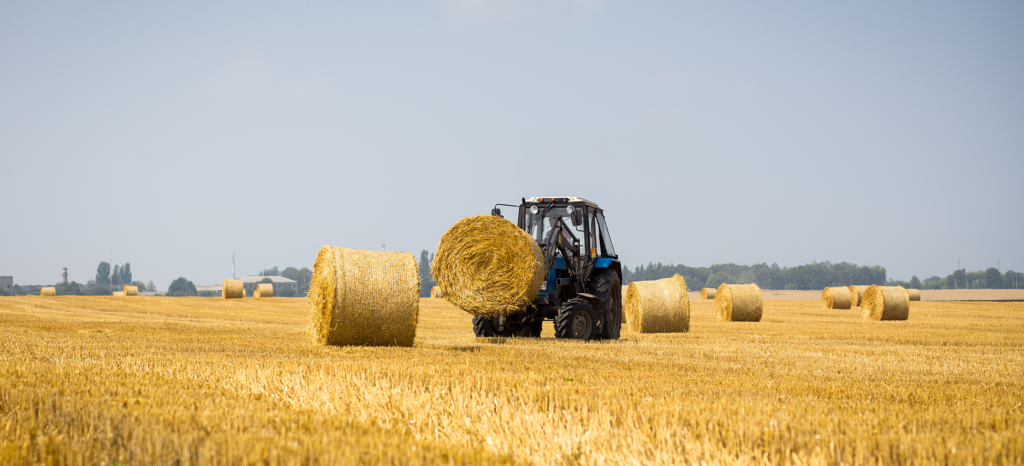
Agricultural Forklift Trends: Werribee South, Yarra Valley and Mornington Peninsula Victoria’s agricultural regions are becoming increasingly mechanised, with forklifts and telehandlers now playing a central role in day to day farm operations. From intensive market gardens in Werribee South to vineyards throughout the Yarra Valley and mixed farming enterprises across the Mornington Peninsula, demand is shifting towards more versatile, terrain-capable and cost-efficient lifting equipment. As farms modernise and scale operations, material handling efficiency, safety and flexibility are now key decision drivers when selecting agricultural forklifts and telehandlers. Growing importance of forklifts on farms and agricultural sites Farmers and producers across Victoria increasingly rely on forklifts and telehandlers to move produce, handle pallets, load trucks and manage bulk materials during harvest and processing periods. In horticultural regions such as Werribee South and the Yarra Valley, the ability to move delicate produce quickly and safely from field to cool room or transport vehicle is critical. This has driven strong demand for smooth-operating, adaptable machines that reduce manual handling while maintaining consistent throughput during peak seasons. Telehandlers, also known as telescopic handlers, are particularly favoured in agricultural environments. Their extendable boom allows operators to reach into high-sided trailers, stack loads at height and work in awkward spaces without requiring multiple machines or additional lifting equipment. This makes them especially valuable in vineyard settings and packing sheds where space, height and access vary. Broader Australian forklift market trends influencing local farming Across Australia, including Victoria, the forklift market continues to evolve with a clear move towards advanced, versatile and more sustainable equipment. Electric forklifts are gaining traction due to lower operating costs and reduced emissions, particularly in environments such as packing sheds, cool rooms and enclosed storage areas close to farms. Automation and smart technologies, including telematics, sensors and usage tracking systems, are increasingly available on modern machines. These features help agricultural operators monitor utilisation, maintenance schedules and fuel or battery efficiency, which is especially beneficial on larger properties across the Mornington Peninsula and Yarra Valley where fleets may be in frequent use. Rough terrain forklifts and specialised outdoor units are also becoming more common on farms and rural sites. Their ability to operate safely on uneven ground makes them far more practical than traditional warehouse forklifts across mixed terrain found throughout Victoria’s farming zones. Regulatory and safety considerations in Victoria Forklift operation on farms and agricultural sites in Victoria is subject to workplace safety requirements. Operators must be appropriately trained, and risks need to be actively managed, particularly where forklifts operate alongside people, vehicles and other plant equipment. During peak harvest and vintage periods, farms often run multiple machines simultaneously. This makes proper training, maintenance and site-specific safety procedures essential to reducing incidents and downtime. Demand drivers specific to regional agricultural conditions Werribee South is known for intensive market gardening and high-volume vegetable production. Farms in this area require agile forklifts capable of handling crates, pallets and bulk inputs such as fertiliser or soil without damaging produce. Short-term forklift hire during harvest peaks is common to manage fluctuating workloads. Vineyards and boutique producers in the Yarra Valley benefit from forklifts and telehandlers that can access sheds and trailers while minimising ground impact. Compact telehandlers and rough terrain forklifts are especially popular where vineyard terrain varies and access is limited. The Mornington Peninsula supports a diverse mix of agriculture and agritourism operations. Many businesses require equipment that can perform multiple roles across the year, driving interest in multi-purpose machines and flexible hire options to support seasonal peaks. Equipment selection trends for farming applications When choosing forklifts and telehandlers, farmers are balancing cost, versatility and sustainability. Electric forklifts are increasingly used where emissions and noise matter, such as indoor sheds. Diesel and LPG forklifts remain common for outdoor and heavy-duty tasks. Telehandlers and rough terrain forklifts continue to be strong choices for farms requiring reach, lifting height and reliable outdoor performance. Machine types and what they are best suited for: Highly versatile machines combining lifting height and forward reach. Common agricultural uses include stacking pallets in sheds, loading high-sided trailers, moving hay bales or fertiliser and working safely across uneven paddocks. In many cases, they replace the need for both a forklift and a crane. Smaller and easier to manoeuvre in confined spaces. Well suited to nurseries, greenhouses, orchards and smaller farm buildings. Strong and stable machines designed for agricultural work where rotational movement is not required, but reliable lift capacity and reach are essential. Traditional forklifts fitted with large tyres and four-wheel drive. Designed to operate on dirt, gravel and uneven ground, making them ideal for paddocks and outdoor farm environments. Best suited to yard and shed work on flat surfaces. Commonly used for moving pallets, bins and crates, with electric units preferred for quieter and cleaner indoor operation. Rental and hire trends in Australia Forklift hire and telehandler hire remains popular for seasonal agricultural work such as harvest and packing periods. Typical hire rate ranges, as a general guide, include: — *Rates are average for industry and are accurate at the time of publishing. Prices vary depending on machine size, duration and availability. For accurate pricing on forklift hire in Melbourne and across Victoria, call (03) 9762 4965. Wet hire options, where an operator is included, are typically higher than dry hire. Telehandler wet hire rates may range from approximately $140 to $180 plus per hour, while dry hire may range from approximately $60 to $100 per hour depending on machine size. Please contact an experienced supplier for current rates. Purchase and ownership considerations Purchasing forklifts or telehandlers is often more suitable for farms with consistent year-round usage. Indicative telehandler purchase ranges include: Ownership also allows farms to invest in attachments such as buckets, bale clamps and work platforms to increase machine versatility. Hire versus buy considerations Hiring avoids large upfront costs and provides access to newer or more capable machines when needed. Purchasing equipment is often more cost-effective and ensures availability during peak periods. Hire arrangements typically include servicing and reduce maintenance obligations, while owned machines require ongoing upkeep and storage planning. Practical tips for farm operators How Heavy Lift Forklifts supports Victorian agriculture Heavy Lift Forklifts works closely with agricultural businesses across Victoria to supply forklifts (SALE and HIRE) and telehandlers suited to real farm conditions. From short-term hire for harvest
Forklift Mast Types: 2-Stage vs 3-Stage vs Quad Mast
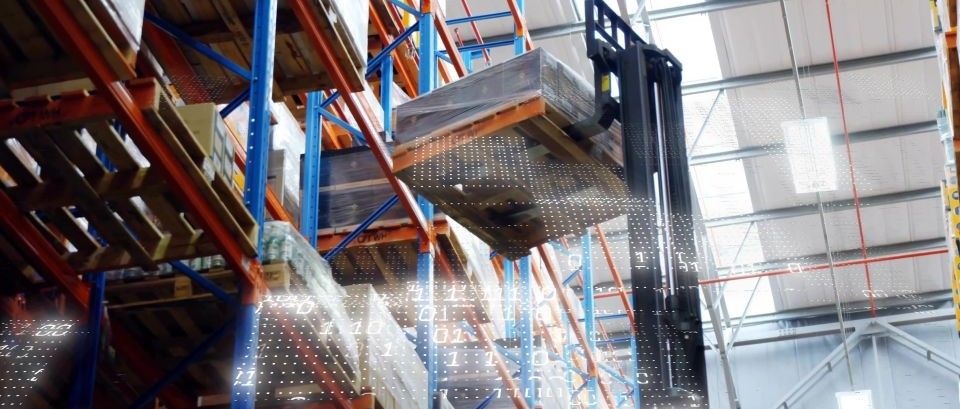
Choosing the right mast is one of the most important decisions when selecting a forklift. The mast determines how high you can lift, how much clearance you need, and how safely your operators can work in your warehouse. Below, we break down the main mast types — 2-stage, 3-stage and quad — so you can match the right setup to your lifting needs. What Is a Forklift Mast? The mast is the vertical assembly at the front of the forklift that raises and lowers the forks. It uses interlocking rail sections, hydraulic cylinders and chains to move the load smoothly and safely. A common question operators ask is: Do different mast types affect the forklift’s lifting capacity? Yes — your lifting capacity reduces as the mast goes higher, which is known as residual capacity. Always check the load chart to confirm safe lifting at height. 2-Stage Mast (Duplex Mast) A 2-stage mast has two sections: a fixed outer frame and an inner section that lifts. This design is simple, strong and ideal for applications where lift height is moderate. A common question here is: Is a 2-stage mast enough for warehouse use? It can be — but only if your racking isn’t too high and you don’t need to work in tight, low-clearance areas like containers. For most modern indoor warehouses, a 3-stage mast is more versatile. 3-Stage Mast (Triplex Mast) A 3-stage mast features three lift sections and usually includes free lift, which allows the forks to rise without the mast extending. This is ideal for low-ceiling areas such as containers and trucks. A frequent question operators ask is: What is free lift and why does it matter? Free lift lets you raise the forks without the mast extending upward. This prevents the mast from hitting ceilings or container roofs, making this mast type safer in restricted spaces. Another common question: Which mast type is most popular? The 3-stage mast is by far the most common because it suits most warehouse layouts and lifting jobs. Quad Mast (Four-Stage Mast) A quad mast has four sections that collapse tightly but can extend to extreme heights. This configuration is used in specialised environments where very tall racking is standard. A common question is: Is a quad mast worth the extra cost? Only if you genuinely need the extra height. For typical warehouses, a 3-stage mast provides more than enough reach without the additional complexity and cost of a quad. Another question operators ask: Why is visibility reduced with a quad mast? Because of the extra rail sections. More rails mean more material in the operator’s line of sight, especially when travelling with the forks lowered. Choosing the Right Mast for Your Site When deciding on the right mast type, consider: A common question is: Can I replace the mast later if my needs change? Sometimes, yes — but not always. Masts must match the forklift’s hydraulic system and structural limits. Always check with a qualified technician before considering a mast changeover. Common Mistakes to Avoid Understanding the differences between 2-stage, 3-stage and quad masts helps you choose a forklift that’s safe, efficient and suited to your warehouse layout. If you need help selecting the right mast, our team can compare lift heights, clearance needs and load capacities to match the best machine to your operation. Heavy Lift Forklifts Our showroom: 826 Mountain Hwy, Bayswater VIC Call us on: (03) 9762 4965
What Is Residual Capacity? (And Why It Matters When Lifting High Loads)
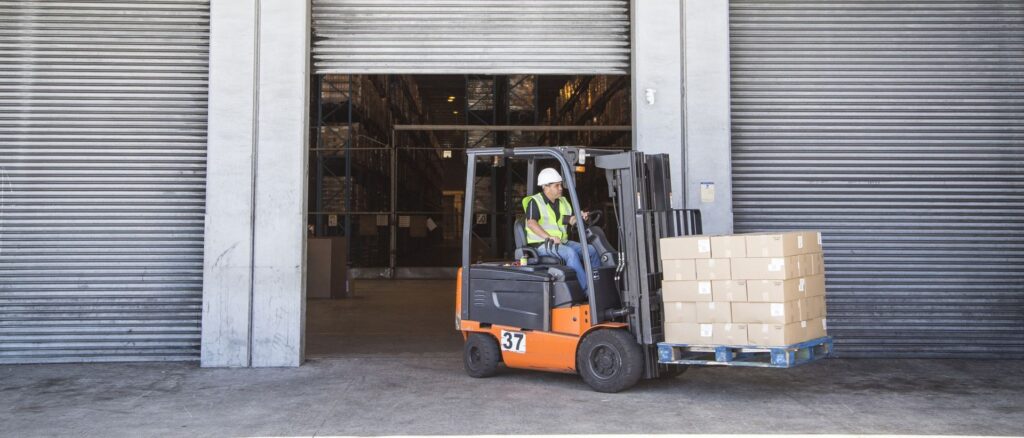
Understanding the true lifting capability of a forklift is essential for warehouse operators, logistics teams, construction sites and any business handling heavy materials. While most people focus on a machine’s rated lifting capacity, the more important figure in day-to-day operations is residual capacity. This determines how safely your forklift can handle loads, especially when lifting to higher heights or using attachments. Below, we break down what residual capacity means, the factors that influence it, and how it affects safety and performance when working with high or awkward loads. What Is Residual Capacity? Residual capacity is the actual lifting capacity of a forklift once real-world operating conditions are considered. Although every forklift comes with a manufacturer’s rated capacity (for example, 2,500 kg), that figure only applies under ideal conditions such as a standard load centre and no added attachments. In practical environments, the forklift’s true usable capacity decreases. This reduced figure is the residual capacity. It reflects how much weight the forklift can safely lift at a given height with a specific load type, mast configuration, and attachment setup. Rated Capacity vs Residual Capacity While the rated capacity represents the forklift’s maximum theoretical lift, the residual capacity is what operators can actually rely on. Several factors reduce the capacity from the brochure number, such as: Understanding this difference helps prevent overloading, tipping risks and damage to your machinery. Why Residual Capacity Matters When Lifting High Loads As lifting height increases, the forklift’s centre of gravity shifts. This shift reduces stability, meaning the forklift cannot lift the same weight at 4 metres as it can at ground level. Without considering residual capacity, operators may unknowingly exceed safe limits. Key reasons it matters: How Load Centre Affects Residual Capacity The load centre is the distance from the vertical face of the forks to the load’s centre of gravity. Standard forklifts are rated at a 500 mm load centre. If the load is longer, wider or awkwardly shaped, the centre of gravity moves forward, reducing the residual capacity. Example: A 2,500 kg forklift may only be able to safely lift 1,800 kg if the load centre increases to 600 mm. This reduction is normal and expected, which is why operators must always refer to the forklift’s capacity data plate. How Attachments Reduce Residual Capacity Attachments such as clamps, rotators, fork positioners, jibs and carpet poles add extra weight to the front of the forklift. This extra weight acts like extending the load centre, reducing stability and lowering residual capacity. Even a lightweight attachment can significantly change the forklift’s balance point. Always ensure your forklift’s data plate has been updated to reflect any attachment fitted. How to Calculate or Check Residual Capacity Residual capacity is not something operators should guess. To determine the correct figure: At Heavy Lift Forklifts, we can assist with accurate capacity ratings and help match the right forklift to your lifting requirements. We have a wide range of forklifts for hire (Melbourne), as well as official distributor for Bobcat and Hangcha. Choosing the Right Forklift for High Lifts If your operations involve stacking pallets in racking, loading trucks at height or handling long materials, selecting the correct forklift model is essential. Popular options include: Our team can help you find the safest and most efficient model for your application. We offer a wide range of forklifts for hire, as well as new and used forklifts for sale, with delivery available across Melbourne and Victoria. Common Mistakes Operators Make With Residual Capacity Avoiding these mistakes can prevent accidents and extend the life of your equipment. Get Expert Forklift Advice Our team can help you choose the safest and most efficient model for your needs. Explore our range of forklift hire Melbourne options or browse our forklifts for sale Melbourne, with fast delivery available across Victoria. Heavy Lift Forklifts Our showroom: 826 Mountain Hwy, Bayswater VIC Call us on: (03) 9762 4965