A Practical, Symptom-Based Guide for Forklift Operators and Managers
You do not need to be a mechanic to spot hydraulic problems early.
Most forklift hydraulic failures do not happen suddenly. They give warning signs. The problem is that many operators ignore them until the forklift slows down, loses lifting power or stops completely.
This guide explains simple, symptom-based hydraulic health checks anyone can perform before a small issue becomes an expensive repair.
Why Hydraulic Systems Matter
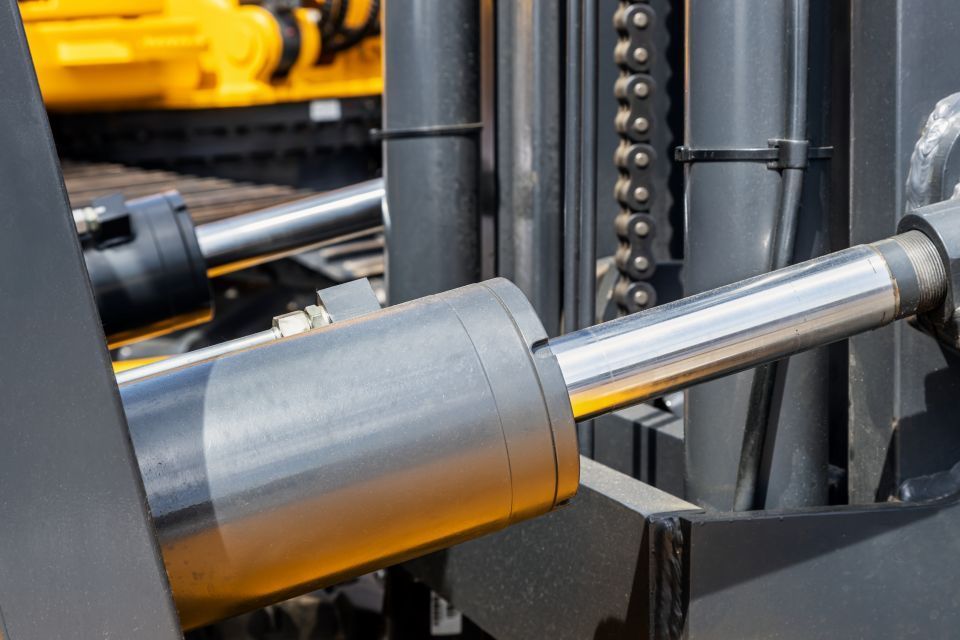
Your forklift’s hydraulic system controls lifting, tilting and load handling. If the hydraulics are not working properly, your forklift cannot safely or efficiently do its job.
Hydraulic components include:
- Hydraulic pump
- Control valves
- Hoses and fittings
- Cylinders
- Hydraulic fluid
When one part starts to fail, other components are affected quickly.

Symptom 1: Slow or Sluggish Lifting
If your forklift lifts more slowly than usual, especially under normal loads, this is one of the earliest hydraulic warning signs.
Possible causes:
- Low hydraulic fluid
- Contaminated fluid
- Worn hydraulic pump
- Internal cylinder leakage
What you can check:
- Look for visible leaks under the forklift
- Check for fluid around hoses and fittings
- Listen for unusual whining noises when lifting
Slow lift speed should not be ignored. It often progresses into complete loss of lifting power. If the issue continues, book a professional service before damage spreads. Our mobile technicians can come to you if you need hydraulic check and repair in Melbourne.
Also Read: Winter Forklift Maintenance: Starting Issues, Condensation & Storage
Symptom 2: Jerky or Uneven Mast Movement
The mast should move smoothly. If it jerks, hesitates or feels inconsistent, the hydraulic system may have air contamination or valve problems.
Common reasons:
- Air in the hydraulic lines
- Contaminated fluid
- Failing control valves
- Internal cylinder wear
Jerky movement is not just inconvenient. It is a safety issue, especially when lifting heavy pallets at height.
If you notice uneven movement, arrange inspection through our mobile forklift technicians.
Symptom 3: Hydraulic Fluid Leaks
Visible oil on the ground is the most obvious hydraulic red flag.
Check for:
- Wet hoses
- Dripping fittings
- Oil near the mast base
- Fluid under the forklift after parking
Small leaks often start at hose connections or worn seals. If left untreated, they reduce pressure, damage pumps and increase fire risk. Hydraulic hose replacement is far cheaper than pump replacement, so do not ignore.
Symptom 4: Unusual Noises When Lifting
Hydraulic systems should not scream, grind or whine excessively.
Listen for:
- High pitched whining
- Groaning during lift
- Grinding sounds
These noises may indicate:
- Pump cavitation
- Low fluid levels
- Blocked filters
- Air in the system
Noise is often the first audible sign that pressure is not building correctly. If you hear new sounds, schedule a preventative maintenance check rather than waiting for failure.
Symptom 5: Forks Drift Down While Raised
If you raise the forks and they slowly lower without control input, this is usually internal hydraulic leakage.
Possible causes:
- Worn cylinder seals
- Internal valve leakage
- Pressure loss
This symptom should be treated urgently. Drifting forks can cause load instability and serious safety risks.
Also Read: How to Interpret Forklift Hour Meters and Why Hours Alone Can Mislead
Symptom 6: Overheating
Hydraulic systems generate heat, but excessive heat signals inefficiency.
Signs include:
- Strong burnt oil smell
- Overheated hydraulic reservoir
- Reduced lifting performance after extended use
Heat accelerates fluid breakdown and damages seals. Once seals fail, leaks increase rapidly.
When to Call a Professional
Hydraulic issues rarely fix themselves. They worsen with continued use.
At Heavy Lift Forklifts, our technicians diagnose hydraulic faults quickly, whether on site or in workshop. We service all makes and models including LPG, diesel and electric units.
If you suspect a hydraulic issue or want to implement a preventative maintenance plan, speak with the team at Heavy Lift Forklifts today. For urgent issues, contact our team on (03) 9762 4965.
Heavy Lift Forklifts
Our showroom: 826 Mountain Hwy, Bayswater VIC
Call us on: (03) 9762 4965