Common Forklift Problems Seen in Food Processing Facilities
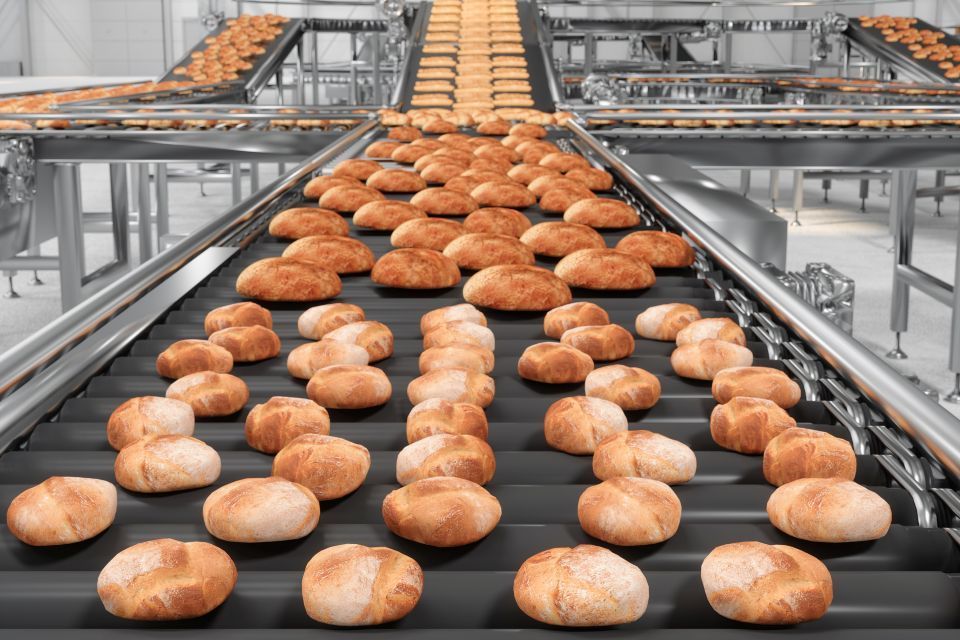
Forklifts play a big role in keeping food processing facilities in Melbourne moving. From transporting ingredients to shifting finished products between work areas, they’re relied on every day to keep production running smoothly. But unlike standard warehouse environments, food facilities come with their own challenges. Cold rooms, wet floors, strict hygiene standards and constant stop-start movements all place extra stress on equipment. These conditions often lead to issues that operators and supervisors see time and time again. Understanding these common problems helps reduce downtime, improve safety and keep workflows on track. In this article, we’ll break down the most frequent forklift challenges found in food processing environments and what typically causes them. 1. Temperature-Related Forklift Issues Food processing sites often involve constant movement between different temperature zones. Forklifts might go from a warm loading area straight into a chilled room or freezer, and that rapid change can create a range of problems. Cold-Room and Freezer Environment Challenges When a forklift operates in freezing conditions, parts simply don’t perform the same way they do at normal temperatures. Hydraulic oil can thicken, lift speeds can slow down, and batteries lose power much faster. Electric forklifts in particular struggle with reduced battery life, which means more frequent charging and shorter run times. Condensation Problems Another common issue is condensation. When a forklift moves from a cold space back into a warmer area, moisture forms on metal parts, sensors and electrical components. Over time, this can lead to corrosion, fogged-up sensors and reduced visibility for any onboard cameras. In some cases, moisture even causes sensitive electronics to malfunction. 2. Hygiene and Cleanliness Requirements Food processing facilities have strict cleanliness standards, and forklifts need to operate in a way that supports those requirements. This environment creates a few challenges for forklifts. Contamination Risks Forklifts can easily pick up small bits of food, packaging or residue as they move around the facility. This debris can work its way into moving parts, causing stiffness or extra wear over time. On top of that, any lubricants used on the forklift must be food-safe, which limits options and sometimes affects how well components stay protected. Frequent Washdowns To keep equipment clean, forklifts often undergo regular washdowns. While necessary, all that water exposure can create its own set of issues. Metal components may start to rust, and electrical systems don’t always cope well with moisture. Even with protective covers, water can sometimes find its way into sensitive areas if seals or drainage points aren’t perfect. All of these hygiene-related demands make it important for forklifts in food facilities to be maintained more carefully and inspected more often. Book Forklift inspection and maintenance. 3. Tyre Wear from Constant Stop-Start Movements Forklifts in food processing facilities rarely get long, smooth runs. Instead, they’re constantly stopping, starting and turning in tight spaces. All of that movement puts a lot of pressure on the tyres, and it shows. High-Traction Flooring Many food processing sites use high-grip flooring to prevent slips and support hygiene standards. While it’s great for safety, it’s tough on forklift tyres. The extra friction creates more heat and speeds up wear, especially on solid tyres that are already working hard under heavy loads. Wet or Slippery Floors On the other hand, areas with water, spills or cleaning residue can cause the opposite problem. Tyres may slip or skid, reducing control and putting extra strain on the tread. When tyres have to constantly grip, release and re-grip to keep traction, they wear out faster than expected. Luckily, we offer high-quality tyre replacement in Melbourne. Book a forklift inspection with our mobile team today! 4. Sensor and Electronics Interference Modern forklifts rely heavily on sensors, cameras and electronic systems to keep operators safe and productive. In food processing facilities, these components can face challenges that don’t exist in standard warehouse environments. Moisture and Steam Steam, mist and moisture are common in areas where cleaning, cooking or cooling takes place. When forklifts move through these spaces, moisture can collect on sensors or seep into small openings. This can cause sensors to misread their surroundings, camera lenses to fog up or electronic components to react unpredictably. Metal Detectors and Automated Lines Some food processing facilities use metal detectors, automated conveyor systems or other equipment that emits electromagnetic signals. These can interfere with nearby forklift electronics, causing momentary glitches or calibration issues. Even a small disruption can affect distance sensors, speed controls or warning systems. Because forklifts rely so much on accurate readings, any interference in these environments can lead to reduced performance or unexpected behaviour. Regular cleaning, protective shielding and careful maintenance help reduce the risk. 5. Visibility Issues in Busy Processing Lines Food processing facilities are often fast-paced, crowded and full of moving parts. Between staff, equipment and production lines, operators don’t always have a clear view of what’s around them, and that creates a few common visibility challenges. Steam, Dust and Product Particles Areas with steam, fine powders or airborne food particles can make it harder for operators to see clearly. These conditions can also fog up camera lenses or cover sensors, reducing their accuracy. When visibility drops, even simple movements like reversing or turning become more difficult. Tight, Congested Aisles Many processing lines are built with narrow pathways to maximise space. Forklifts navigating these tight aisles need to make constant small adjustments, which puts extra strain on steering components. Operators also need to move slowly and carefully, which can slow down workflow during busy periods. Together, these visibility issues increase the need for good lighting, clean equipment and clear communication between staff. Even small improvements can make a big difference in keeping operations safe and efficient. 6. Forklift Damage from Repetitive Short Runs Unlike large warehouses where forklifts cover long distances, food processing facilities often involve quick, repetitive movements. Forklifts might shuttle small loads from one station to another, rarely getting the chance to run long enough to reach steady operating conditions. Continuous Short Cycles Short runs mean motors and engines don’t warm up properly. When equipment
Seasonal Forklift Rentals Supporting Businesses This Christmas
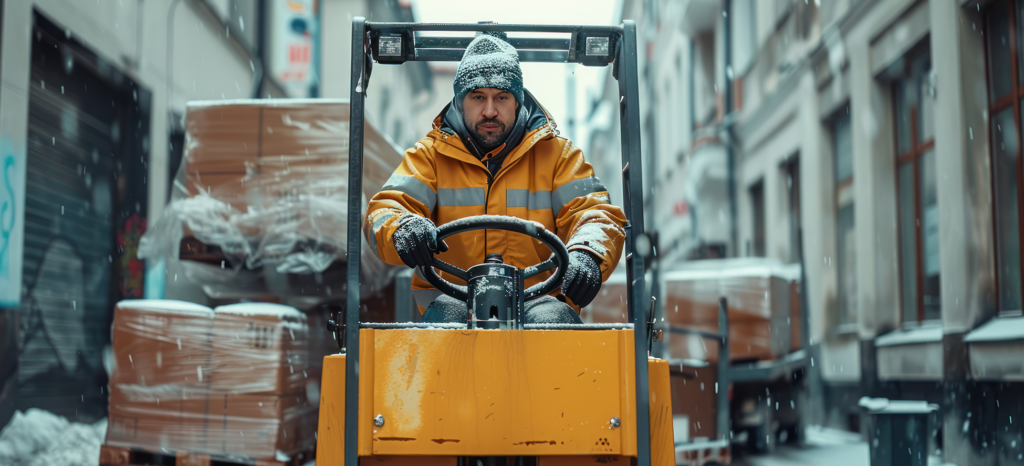
The lead-up to Christmas is one of the busiest times of the year for Melbourne businesses. Retailers are stocking shelves, warehouses are moving goods around the clock and delivery hubs are dealing with a flood of orders. Everything moves faster, and there’s a lot more of it. With so much happening at once, even well-organised teams can start to feel the pressure. That’s where having a bit of extra forklift support makes a real difference. More equipment on hand keeps stock flowing smoothly, helps staff stay on top of the rush and takes some of the stress out of the season. It’s all about giving your team the breathing room they need to get through Christmas in one piece. Christmas Pressures on Melbourne Businesses In the lead-up to Christmas, stock levels rise sharply. Retailers, wholesalers and distribution centres bring in much larger volumes than usual, and pallets move constantly across warehouse operations. With more products arriving and leaving each day, space fills up quickly and the demand on equipment increases. Turnaround times also tighten during this period. Stores need faster restocking, online orders need to be processed quickly and suppliers face strict delivery windows. Even small delays can create a backlog, so keeping goods moving becomes a top priority. Freight activity ramps up as well. Trucks arrive more often, loading docks get busier and incoming and outgoing stock cycles speed up. It’s common for Melbourne’s industrial areas to experience significantly more traffic, which places extra pressure on handling teams. To manage all of this, many businesses rely on casual staff during the festive season. While extra hands help, it also means workflows need to be clear and equipment needs to be readily available. Without enough machines to go around, staff end up waiting, and productivity slows at the exact time it needs to stay high. How Seasonal Forklift Access Helps Having access to extra forklifts during the Christmas rush makes day-to-day work much smoother. With more machines available, teams can pick and pack items faster without waiting for equipment to free up. Loading docks also flow better, with fewer hold-ups when trucks arrive back-to-back. This extra support becomes especially valuable when sudden spikes in orders hit, allowing businesses to keep up without scrambling. It also takes pressure off the forklifts already in use, preventing overworking the main fleet during the busiest weeks of the year. See available forklift rentals in Melbourne for short and seasonal peaks. Industries That Benefit Most During Peak Season Some Melbourne industries feel the Christmas rush more than others, and having extra forklifts on hand can make a big difference to how smoothly they operate. Because these sectors depend on fast, reliable material movement, many look for extra support during December. That’s where options like forklift hire Melbourne can help keep workflows steady and prevent bottlenecks during the busiest weeks of the year. Practical Advantages for Short-Term Use Short-term forklift access gives Melbourne businesses the flexibility they need during the Christmas rush without locking into long commitments. It allows teams to boost capacity only for the weeks they genuinely need it, which helps maintain productivity when stock movement suddenly increases. It also reduces unnecessary wear on the forklifts a business already owns, preventing them from being pushed too hard during the busiest period of the year. For many operators, short-term use is also easier to budget for, as the costs are contained to a clear, predictable timeframe. Quick Preparation Tips Before Peak Season A few simple steps can help Melbourne businesses get ready for the Christmas rush. Start by reviewing your warehouse layout to make sure there’s enough room for increased stock movement and safe equipment access. Planning short training sessions for both permanent and casual staff helps keep everyone confident and aware of site procedures. It’s also worth checking your charging stations or refuelling setup early, especially if you expect longer shifts or more equipment running at once. Finally, organising clear workflow paths reduces congestion and keeps pallet movement flowing during the busiest weeks. Signs You May Need Extra Forklift Support This Christmas You may be reaching the limit of your current equipment if you’re noticing any of the following: These signs usually appear in the lead-up to Christmas and are a good indication that extra support could help keep operations running smoothly. If you’d like a little guidance on getting ready for the Christmas rush, our team is always happy to help. Whether you’re reviewing workflows, planning for extra equipment or simply want to understand your options, we’re here to support you. You can also explore forklift hire Melbourne for short-term and seasonal needs. From all of us at Heavy Lift Forklifts, we wish you a safe, smooth and happy Christmas! 🎅 Heavy Lift Forklifts Our showroom: 826 Mountain Hwy, Bayswater VIC Call us on: (03) 9762 4965
Top 5 Industries in Melbourne That Benefit from Forklift Hire
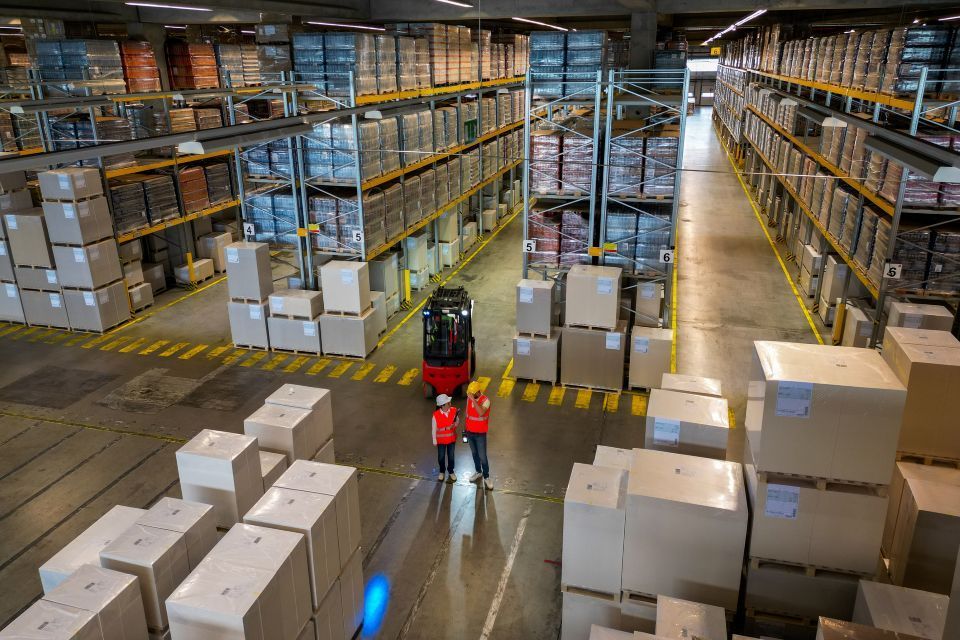
Forklift hire has become an essential solution for many Melbourne businesses seeking efficient, cost-effective, and flexible material handling support. Instead of committing to the high upfront cost of ownership, companies can access modern, well-maintained forklifts when and where they need them. From improving warehouse productivity to supporting seasonal projects, forklift hire helps businesses stay agile, reduce downtime, and keep operations running smoothly. Across Melbourne’s key industries — from logistics to manufacturing — forklift hire continues to drive growth and reliability in day-to-day operations. 1. Warehousing and Logistics Melbourne’s warehousing and logistics sector is one of the city’s fastest-growing industries, driven by major distribution hubs in Laverton North, Truganina, and Derrimut. These areas rely heavily on forklifts for loading, unloading, and transporting goods efficiently within large facilities. Forklift hire offers an ideal solution for managing seasonal surges, such as during retail peaks or import cycles, without the long-term financial burden of ownership. By hiring forklifts, warehouse operators can scale their fleet as needed, improve pallet handling speed, and maintain high productivity with minimal downtime. See our flexible forklift hire in Melbourne for warehouse and logistics operators. Contact our team for a quote. 2. Construction and Building Materials Forklifts play a vital role on construction sites and in building supply yards across Melbourne, where materials like bricks, timber, steel, and concrete products need to be lifted, transported, and positioned safely. Heavy-duty forklifts are essential for handling these loads efficiently while meeting strict safety and compliance requirements under Victorian construction standards. Hiring forklifts gives builders and contractors the flexibility to access the right equipment for each stage of a project without committing to ownership costs. Short-term hire options are ideal for managing workload peaks or specialised lifting needs on site. Our range of forklifts for sale in Melbourne includes models suited for construction and building supply businesses. 3. Manufacturing and Production In Melbourne’s key manufacturing corridors such as Campbellfield, Dandenong South, and Bayswater, forklifts are indispensable for keeping production lines moving. They play a central role in transporting raw materials, shifting packaging supplies, and loading finished goods for distribution. By choosing forklift hire, manufacturers can access reliable, high-performing machines without the maintenance costs or downtime associated with ownership. Rental options also allow businesses to scale their fleet to match production demands, ensuring consistent efficiency and safety on the factory floor. See our forklift hire solutions in Melbourne or call us on (03) 9762 4965. 4. Retail and Wholesale Distribution Supermarkets, furniture retailers, and large-format stores across Melbourne depend on forklifts to manage stock rotation, warehouse storage, and high-volume deliveries. Forklift hire provides a practical and affordable way for retail and wholesale businesses to handle busy trading periods, such as seasonal sales or new stock arrivals, without overcommitting to equipment ownership. With the flexibility to hire additional units when needed, businesses can maintain smooth inventory flow, improve turnaround times, and ensure products are always ready for customers. Contact our team for forklift hire options for retail and wholesale operations. 5. Agriculture and Food Processing In Melbourne’s surrounding agricultural zones such as Werribee South, the Mornington Peninsula, and the Yarra Valley, forklifts are essential for managing produce handling, pallet transport, and cold-storage logistics. From moving crates of fresh fruit and vegetables to loading packaged food products for distribution, they play a vital role in ensuring smooth and efficient operations. Forklift hire offers farmers and food processors the flexibility to scale their equipment during peak harvest or production seasons without the cost of owning a full fleet year-round. To find reliable forklifts for hire in Melbourne to suit agricultural and food processing businesses, contact us on (03) 9762 4965. Benefits of Forklift Hire for Melbourne Businesses Forklift hire offers Melbourne businesses a smart, cost-effective way to keep operations running efficiently without the financial strain of purchasing equipment outright. By hiring, companies can access newer, more reliable, and energy-efficient machines that enhance productivity and meet evolving safety standards. Maintenance and servicing are typically included, reducing downtime and unexpected repair expenses. Most importantly, forklift hire provides flexibility — allowing businesses to scale their fleet up or down to match seasonal or project-based demand. Discover how forklift hire in Melbourne can help your business stay productive and cost-efficient year-round. Choose Heavy Lift Forklifts At Heavy Lift Forklifts, we are an expert in providing dependable forklift hire solutions to businesses across Melbourne and surrounding areas. With a fleet of modern, high-performing machines and a team dedicated to service excellence, we help clients in warehousing, construction, manufacturing, and more achieve smooth, efficient operations. Our hire options are flexible, competitively priced, and backed by expert maintenance support to keep your business moving. Whether you operate a warehouse, construction site, or manufacturing facility, Heavy Lift Forklifts offers trusted forklift hire across Melbourne with competitive rates and fast delivery. Contact us today to discuss your needs. _________________ Heavy Lift Forklifts Our showroom: 826 Mountain Hwy, Bayswater VIC Call us on: (03) 9762 4965
Clamp, Jib or Rotator? Which Attachment to Choose?
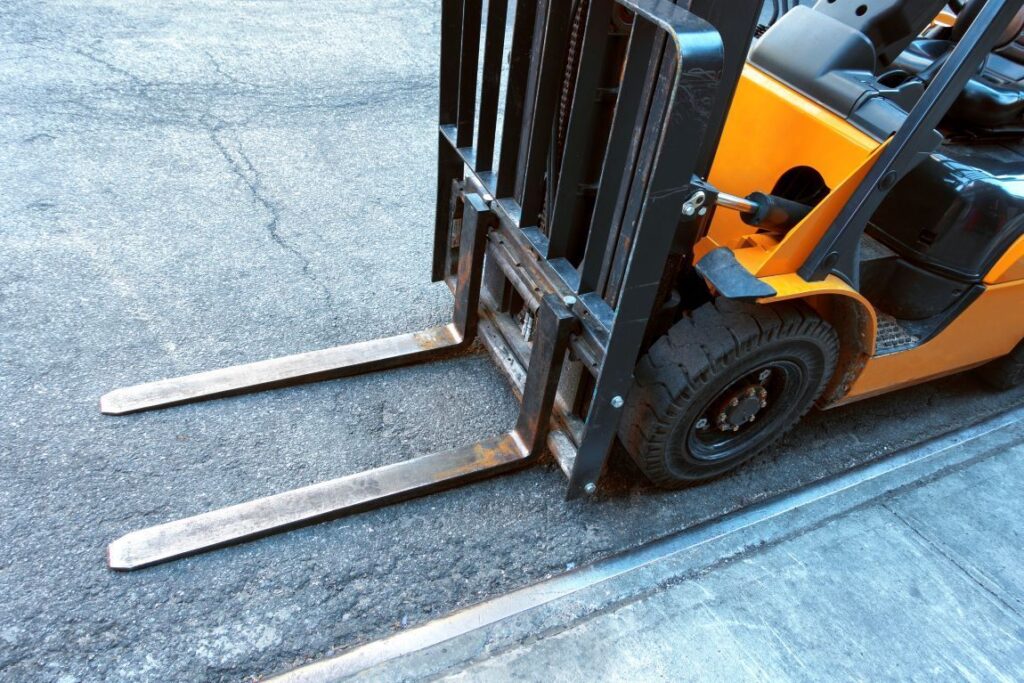
Forklifts are built to lift and move, but with the right attachment, they can do so much more. From handling fragile cartons to lifting long machinery parts or rotating heavy bins, attachments turn a standard forklift into a multi-purpose workhorse. The challenge is knowing which one to use. Should you choose a clamp, jib, or rotator? Each attachment is designed for a specific task — and choosing the wrong one can slow your operation or create safety risks. In this guide, we’ll explain how to choose forklift attachments based on your load type and work environment, highlight the differences between a clamp, jib and rotator, and show how the right setup can boost safety and efficiency on site. What Are Forklift Attachments Forklift attachments are tools fitted to the front of a forklift to adapt it for different types of loads and lifting tasks. Instead of using a standard set of forks, an attachment lets your machine clamp, grip, lift, rotate, push, or carry a wide range of materials that wouldn’t otherwise be possible. These attachments can transform a single forklift into a multi-functional piece of equipment — ideal for warehouses, construction sites, manufacturing plants, and logistics hubs. With the right setup, operators can handle everything from fragile cartons and drums to oversized machinery parts and pallets stacked high. Common attachments include: Clamp Attachments — Secure Grip, Safer Handling Clamp attachments are designed for situations where pallets aren’t used — or simply can’t be. They allow your forklift to grip and lift loads securely from the sides rather than underneath, making them ideal for handling appliances, paper rolls, boxes, textiles, or baled goods. Different types of clamps are available depending on your application: These attachments use strong hydraulic pressure to hold items firmly in place while still allowing gentle handling to prevent damage. They’re widely used in warehousing, manufacturing, and logistics, where space is tight and pallets aren’t always practical. If you’re comparing a forklift clamp vs rotator, remember that clamps are best for securely holding delicate or non-palletised items, while rotators are used when you need to tilt or dump materials. Jib Attachments — Turn Your Forklift into a Mini Crane A jib attachment transforms an ordinary forklift into a versatile lifting machine capable of handling loads that are long, awkward, or need to be suspended. Think of it as giving your forklift the reach and flexibility of a small crane. Jibs are ideal for construction sites, manufacturing plants, and transport yards, where loads aren’t always on pallets. They’re especially useful for lifting machinery parts, pipes, beams, and equipment that can’t be moved with standard forks. Most jibs are fitted with a hook at the end of a strong, adjustable arm, allowing you to safely lift and manoeuvre loads at varying heights and angles. This makes them perfect for environments where precision and reach are essential. If you’ve ever wondered “what forklift attachment do I need for long or uneven loads?”, a jib attachment is usually the answer. It gives you more flexibility, extends your forklift’s capabilities, and saves time compared to hiring separate lifting gear. Rotator Attachments — Fast, Efficient Load Handling A rotator attachment allows a forklift to rotate its forks or load carriage, making it possible to tilt, empty, or invert loads safely and quickly. It’s a simple idea that delivers huge efficiency gains in industries where materials need to be dumped, mixed, or turned regularly. Rotators are commonly used in recycling, waste management, agriculture, and food production, where operators need to empty bins, containers, or drums. The rotating function eliminates manual handling and reduces the risk of spills or damage to containers. Most rotators can turn 180° or 360°, giving operators complete control over how and when to release the load. This makes them particularly valuable for handling bulk materials like produce, scrap metal, or waste — anywhere that fast and precise load rotation saves time and labour. If you’re weighing up a forklift clamp vs rotator, remember that rotators are about movement and emptying, while clamps are about grip and control. Choosing between them depends entirely on whether your job requires secure handling or load rotation. Clamp, Jib or Rotator — Which One Should You Choose? When it comes to forklift attachments, there’s no one-size-fits-all option. Each attachment is designed to solve a specific problem — and the best choice depends entirely on what you’re lifting, how often, and where. Attachment Best For Main Advantage Not Ideal For Clamp Non-palletised loads (e.g. appliances, paper, textiles) Secure side grip without damaging goods Dumping or rotating materials Jib Long, awkward or suspended loads (e.g. machinery parts, pipes, beams) Turns forklift into a mini crane Lifting pallets or regular loads Rotator Bins, containers, or materials that need emptying Allows precise rotation and tipping Holding fragile or irregular loads If you’re unsure which attachment is right, think about the nature of your loads and the type of worksite you’re operating in. Warehouses often rely on clamps for secure handling, while construction and recycling industries lean towards jibs and rotators. And remember — you don’t always need to commit to buying. Attachments can be hired for short-term projects or purchased for long-term use, giving you flexibility to adapt to different jobs as they come up. See forklifts for hire Melbourne >> Can You Hire a Forklift with Attachments? Absolutely — you can hire a forklift complete with attachments to suit your project. This option is ideal for short-term jobs, seasonal workloads, or specialised lifting tasks where buying doesn’t make financial sense. Hiring gives you flexibility to use the right equipment when you need it, without committing to long-term ownership or maintenance. It’s also the best way to test different attachments — like clamps, jibs, or rotators — before deciding which ones fit your workflow best. At Heavy Lift Forklifts, we offer forklifts for hire with a variety of compatible attachments, giving you a complete lifting solution for any task. Delivery is included (free within Melbourne), and every machine is fully serviced and OHS compliant before it reaches your site. Buying Forklifts with Attachments — Worth the Investment? If your business regularly handles the same
Planning a Warehouse Move? Here’s How Renting a Forklift Can Save the Day
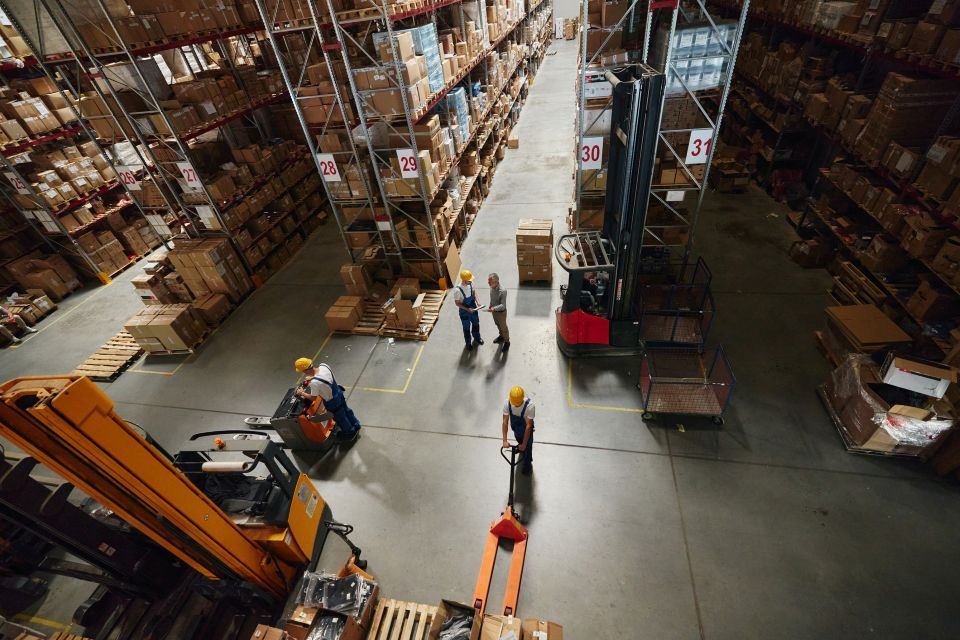
elocating a warehouse is no small job. Between moving racking, stock, pallets and equipment, it’s one of the most physically demanding projects a business can take on. But there’s one thing that can make the process a whole lot easier — a forklift. In this article, Forklift can help you move faster, safer and with less downtime. Warehouse Moves Are Harder Than You Think There’s nothing easy about moving a warehouse. Between organising stock, dismantling racking, coordinating transport and keeping business operations running, it’s a massive job that demands precision and planning. Even the best-prepared teams run into challenges — tight timelines, limited access, and the sheer volume of heavy goods to move. Every delay adds pressure, and without the right equipment, those challenges multiply fast. That’s why having the right machinery on hand, like a forklift, can make all the difference. It takes the strain off your team, keeps things moving efficiently, and helps you avoid costly downtime or damage during the move. Why Renting a Forklift Is the Smart Move Most warehouses already have at least one forklift on site — but when it comes to relocating, one machine usually isn’t enough. A move puts everything into overdrive. You’re loading, unloading, stacking, dismantling, and transporting all at once. That’s where renting additional forklifts can make the process faster, safer, and far more efficient. Hiring gives you flexibility. You can bring in extra forklifts only when you need them, without the cost or commitment of buying more equipment. It also lets you choose the right type of machine for specific tasks — for example, a compact electric forklift for working inside tight spaces, or a heavy-duty diesel model for outdoor loading. Even if your warehouse already owns a forklift, supplementing your fleet with a few hired machines helps keep everything moving smoothly. It reduces bottlenecks, keeps your staff productive, and ensures the move stays on schedule. Choosing the Right Forklift for the Job Not all forklifts are built for the same purpose — and when you’re in the middle of a warehouse move, using the wrong one can slow everything down. The good news is that when you rent, you can pick the exact machine for the task at hand. Renting gives you the flexibility to mix and match the right models for different stages of the move, rather than trying to make one machine do it all. See available forklift hire options in Melbourne (keep in mind, not all models from our fleet are listed online. Get in touch with our team and tell us what you need; chances are, we’ve got the perfect forklift for the job) Safety and Smooth Operation Go Hand in Hand A warehouse move can get chaotic fast — pallets everywhere, tight corners, people and machinery all working at once. That’s why safety needs to be the first priority, not an afterthought. A forklift can make your move faster and easier, but only when it’s used correctly and by the right people. Make sure every operator is licensed and confident with the specific type of forklift they’re using. Even experienced drivers need a quick refresher when they jump into a different model or work in a new environment. Keep walkways clear, mark off loading areas, and make sure your team communicates clearly throughout the move. The right approach keeps things efficient and safe — fewer delays, fewer damaged goods, and a much smoother relocation overall. Plan Ahead and Move Smarter A warehouse move runs best when everything is mapped out before the first pallet is touched. Forklifts can make the job easier, but timing and coordination matter just as much as the equipment itself. Start by walking through your current and new warehouse layouts. Identify bottlenecks — narrow aisles, uneven surfaces, or low-clearance areas — and decide what type of forklift suits each stage of the move. If you’re hiring, book early to make sure you get the models you need when you need them. It also pays to work closely with your removalists or logistics team. Coordinating delivery and collection times for your hired forklifts keeps the schedule tight and reduces downtime. And if your move happens in stages, choose a provider who offers flexible hire terms so you’re not paying for machines you don’t need between phases. Smart planning upfront saves time, reduces costs, and helps your team stay calm when things get busy. Need help planning your move? Talk to the team at Heavy Lift Forklifts in Melbourne – we supply quality forklifts for hire Melbourne (+ transport) and new and used forklifts for sale. We’ll help you choose the best forklifts for your warehouse relocation and match you with the right equipment for your space, load and timeline. Contact us today to discuss your requirements — not all of our forklifts are listed online, but we’re confident we’ve got exactly what you need to make your move a success. _________________ Heavy Lift Forklifts Our showroom: 826 Mountain Hwy, Bayswater VIC Call us on: (03) 9762 4965
Questions to Ask Before Hiring
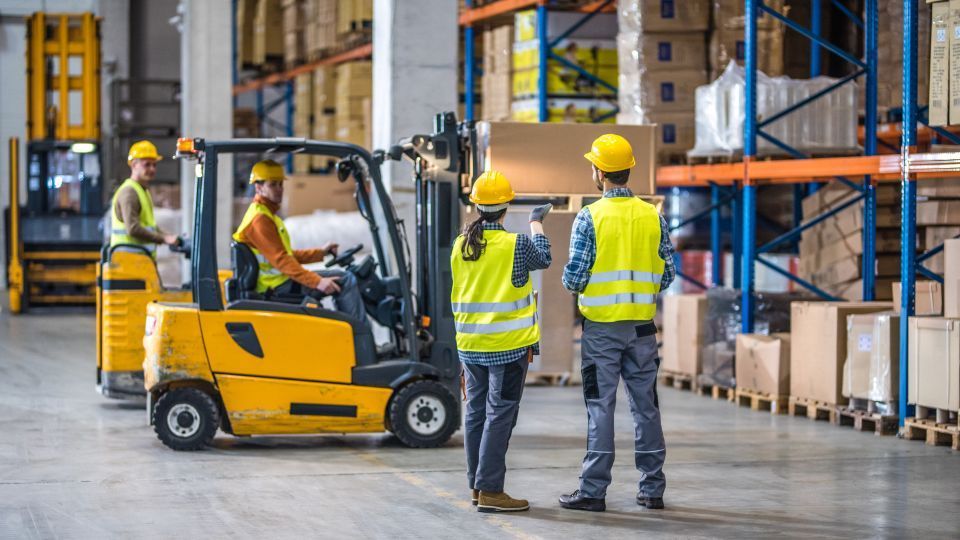
Hiring a forklift can make a big difference when it comes to getting a job done safely and efficiently. Whether you’re moving a warehouse, handling a short-term project, or covering for a machine that’s out of action, forklift hire is often the most practical solution. But not all forklifts — or hire companies — are the same. Before you commit, it’s worth asking a few key questions to make sure you’re getting the right machine, on the right terms, with no hidden surprises. 1. What Type of Forklift Do I Actually Need? Not every forklift suits every job. The first thing to consider is what you’ll be lifting, how heavy it is, and where you’ll be working. If your project is indoors or in tight warehouse aisles, an electric forklift is ideal — quiet, compact, and emission-free. For outdoor or heavy-duty work, diesel or LPG forklifts offer more power and durability. And if you’re dealing with height or narrow racking, a reach truck or narrow aisle forklift is the way to go. If you’re not sure which one’s right for your job, it’s best to talk to us and describe your workspace and load requirements. An experienced team will match you with the right model for the task. 👉 See forklifts available for hire. 📞 Contact us foor full range (not all models are listed). 2. What’s Included in the Hire Rate? Before signing the contract, make sure you know what’s covered in your hire rate. Some companies offer all-inclusive packages that cover delivery, pickup, and maintenance — while others charge extra for those services. Ask about: It’s also worth comparing short-term vs long-term hire options. If you’ll need the forklift for several months, you may be able to negotiate a better rate. At Heavy Lift Forklifts, we like to keep things simple. Delivery is included (free within Melbourne), and servicing and maintenance are part of every hire agreement. Whether you need a forklift for a few days or several months, we offer flexible short- and long-term rentals at some of the best prices in Melbourne — with no hidden surprises. 3. Is the Forklift in Good Condition and Fully Serviced? Downtime is the last thing you need during a busy project. Always check that the forklift you’re hiring has been recently serviced and inspected. Reputable hire companies keep detailed maintenance records and safety logs for every machine in their fleet. A well-maintained forklift is safer, more reliable, and less likely to cause costly delays. Don’t be afraid to ask for proof of servicing or safety certification — it’s standard practice in Australia. At Heavy Lift Forklifts, every machine in our fleet is fully serviced, safety-checked, and OHS compliant before it reaches your site. You can count on reliable performance and peace of mind knowing your equipment meets Australian safety standards from day one. 4. Do You Offer On-Site Support if Something Goes Wrong? Even the best-maintained forklifts can occasionally run into issues. That’s why it’s important to ask your hire company about breakdown support and response times. If you’re hiring from a local provider such as Heavy Lift Forklifts in Melbourne, you’ll often get faster turnaround times for repairs or replacements. We have technicians on standby and we can swap out equipment if a major fault occurs. Reliable support means less downtime and peace of mind knowing help is close by if you need it. 5. Do My Operators Have the Right Licence? In Australia, forklift operation requires a High Risk Work Licence (HRWL) — specifically an LF licence for standard forklifts or an LO licence for order-picking machines. Before hiring, make sure your operators are licensed and familiar with the model you’re renting. Some companies also verify licences before releasing equipment, helping you stay compliant with safety laws. 👉 Forklift Licence and Training Requirements 6. Can I Hire Multiple Forklifts or Specialised Equipment? If your business is relocating, expanding, or working on a large project, you might need more than one forklift or a specific type of equipment. We have a wider fleet than others — and not all machines are listed online. Ask us about availability, attachments, and specialised models. We will find what you need. 👉 Explore forklift hire options and contact us with your requirements here or call us on (03) 9762 4965 7. What’s Your Availability and Lead Time? Forklift demand can spike quickly, especially during seasonal peaks or large-scale moves. Always check availability and lead times before you book. If you need equipment urgently, ask about same-day delivery options. For longer projects, lock in your hire dates early to secure the machines you want. Good communication and planning will make your project run smoother from start to finish. Need help finding the right forklift? Talk to the team at Heavy Lift Forklifts. We’ll help you choose the best option for your site, timeline, and load — and even if it’s not listed online, we’ll find it for you. Rent a forklift in Melbourne >> _________________ Heavy Lift Forklifts Our showroom: 826 Mountain Hwy, Bayswater VIC Call us on: (03) 9762 4965
What Licences and Training Do You Need to Operate a Hired Forklift?
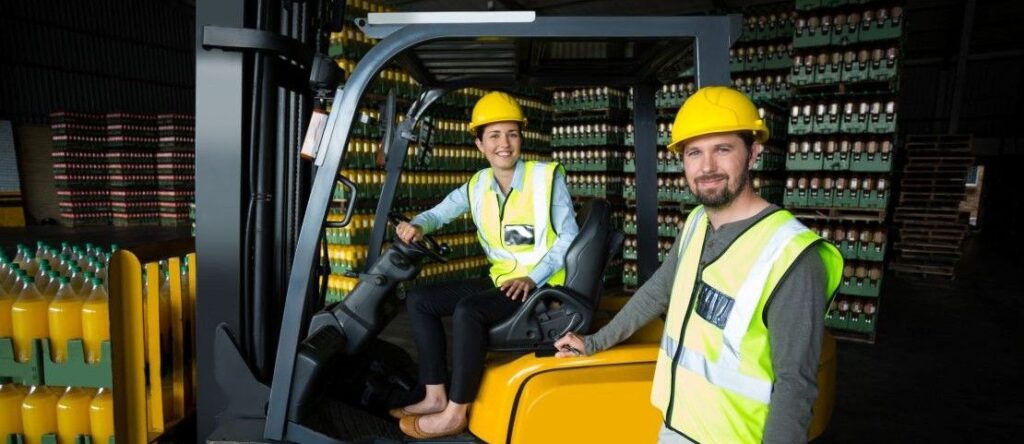
Forklifts play a vital role in warehouses, construction sites, and logistics hubs, but they are also classified as high-risk equipment. Operating one without the correct licence and training isn’t just unsafe — it’s against the law. Whether you’re hiring a forklift for a short-term project or adding to your fleet, ensuring that operators are properly licensed is essential for workplace safety and legal compliance. Below, our team breaks down the licences required to operate a forklift in Australia, the training process involved, and the key responsibilities for both operators and businesses before getting behind the controls of a hired forklift. The Risks of Operating Without a Licence Allowing an unlicensed operator behind the controls of a forklift can have serious consequences. Beyond the immediate safety hazards, businesses may also face legal and financial repercussions. Key risks include: Without proper training, operators are more likely to make mistakes that result in injuries, damage to stock, or collisions with racking and equipment. Under Work Health and Safety (WHS) regulations, it is illegal to operate a forklift without a High Risk Work Licence (HRWL). Breaches can result in heavy fines for both the operator and the business. If an incident involves an unlicensed driver, insurance claims may be denied, leaving the company liable for damages and compensation costs. Mistakes caused by untrained operators can lead to damaged goods, machine downtime, and costly delays. These risks make it clear why proper licensing and training are non-negotiable in any workplace that uses forklifts. The Legal Requirements for Forklift Operators in Australia In Australia, forklifts are classed as high-risk equipment, which means operators must hold the correct licence before they can legally use one. These licences are issued under the Work Health and Safety (WHS) Regulations and are overseen by each state or territory’s safety authority, such as SafeWork NSW, WorkSafe Victoria, or WorkSafe WA, and include the following requirement. To operate a forklift, individuals must hold a valid High Risk Work Licence specific to forklift use. Operators must be at least 18 years old to apply. Applicants must complete formal training through a Registered Training Organisation (RTO) and successfully pass both a written knowledge test and a practical skills assessment. Forklift licences are generally valid for five years and must be renewed before expiry. While the rules are consistent nationally, each region administers licences through its own authority, so application processes may vary slightly. Meeting these legal requirements ensures operators are not only trained but also recognised by regulators as competent to handle forklifts safely. Types of Forklift Licences Not all forklifts fall under the same licence category. In Australia, there are two main types of forklift licences, and the right one depends on the equipment being used. LF Licence – Forklift Truck Licence LO Licence – Order Picking Forklift Truck Licence If your workplace uses both types of forklifts, operators may need to hold both an LF and LO licence to perform their roles legally. Training Requirements for a Forklift Licence Before applying for a forklift licence, operators must complete accredited training through a Registered Training Organisation (RTO). This ensures they have both the theoretical knowledge and practical skills needed to operate a forklift safely. The training process usually involves the following. Covers workplace safety, hazard awareness, load handling principles, and legal responsibilities under WHS regulations. Hands-on instruction using a forklift under supervision, focusing on manoeuvring, load handling, and safe operation in real workplace conditions. A combination of a written knowledge test and a practical driving test conducted by a certified assessor. Depending on the operator’s prior experience, training generally takes between two and five days. The standard course is TLILIC0003 – Licence to Operate a Forklift Truck, which is recognised across all Australian states and territories. Completing this training not only allows operators to apply for their High Risk Work Licence but also builds the confidence and skills required for safe, efficient forklift use in the workplace. Employer and Business Responsibilities Licensing and training are not just the responsibility of forklift operators — businesses also have legal obligations under Australia’s Work Health and Safety (WHS) laws. When hiring or purchasing a forklift, employers must ensure their workplace remains compliant and safe. Key responsibilities include the following. Employers must check that anyone operating a forklift holds a current and appropriate High Risk Work Licence (LF or LO). Even licensed operators may be unfamiliar with a particular workplace layout, equipment type, or safety procedures. Businesses are required to provide induction and site-specific training before work begins. Forklifts must be properly maintained and inspected to meet safety standards. Unsafe equipment can expose employers to liability, even if the operator is licensed. Employers have a duty of care to ensure operators follow safe work practices, including load limits, traffic management plans, and PPE requirements. Records of licences, training, and maintenance should be kept up to date to demonstrate compliance during audits or inspections. By meeting these obligations, businesses reduce risk, stay compliant with WHS regulations, and create a safer workplace for their team. Penalties for Non-Compliance Operating a forklift without the correct licence, or allowing an unlicensed operator to do so, can carry serious consequences in Australia. Regulators treat this as a breach of Work Health and Safety (WHS) laws, and penalties can apply to both individuals and businesses. Some of the potential consequences include the following. Individuals operating without a licence, or employers who permit it, may face significant financial penalties. Fines can run into the thousands of dollars, depending on the severity of the breach. If an accident occurs and the operator is unlicensed, both the operator and the employer may be held legally responsible for injuries, damage, or fatalities. Many insurance policies will not cover incidents involving unlicensed operators. This can leave businesses fully liable for medical costs, repairs, and compensation claims. A workplace accident or legal breach can harm a company’s reputation with clients, employees, and regulators, making it harder to win future contracts. The risks of non-compliance far outweigh the effort of ensuring all operators are properly trained and licensed. How Forklift Hire Companies Support Compliance Reputable forklift hire companies play an
Which Forklift Is Best for Tight Warehouse Spaces?
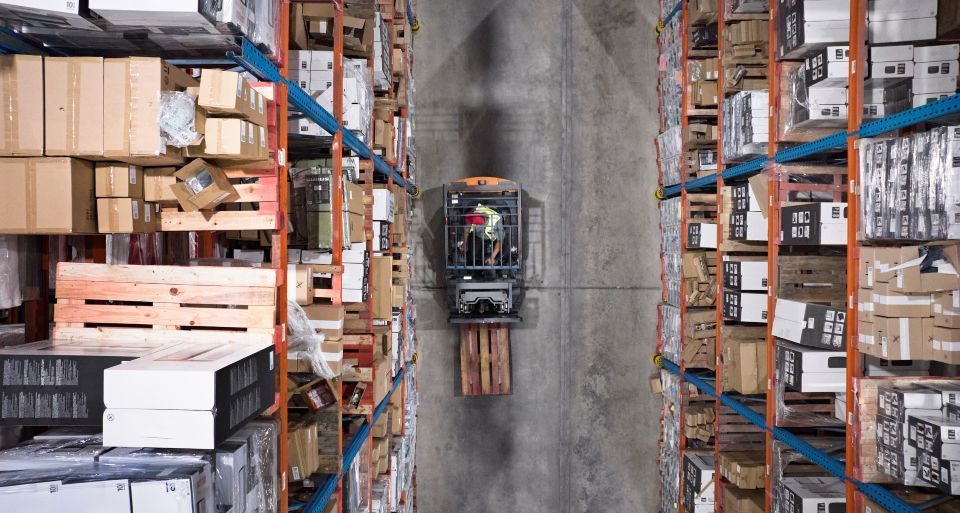
When warehouse space is limited, every square metre counts. Standard forklifts often struggle in tight aisles, making it difficult to move stock efficiently without risking damage to racking or goods. The wrong equipment can slow down operations, increase safety risks, and even damage valuable stock. That’s where specialised forklifts — such as narrow aisle models, reach trucks, and electric forklifts — come in. Designed for tight warehouse environments, these machines help businesses move more with less space, whether you’re looking to purchase for long-term use or hire for short-term projects. Challenges of Operating in Narrow Warehouse Aisles Warehouses are increasingly designed with high-density storage systems to maximise floor space. While this boosts capacity, it creates significant challenges for traditional forklifts. Some of the most common issues include – Standard counterbalance forklifts require wider aisles to turn and position loads. In tight spaces, operators struggle to move efficiently without repeated adjustments. Narrow aisles mean forklifts are often operating just centimetres from racking and stock. This raises the chance of accidental bumps, product damage, or even structural harm to shelving. Operators may need to work slower in tight environments to avoid accidents, which can lead to bottlenecks in picking, stacking, and moving goods. Working in confined spaces places more pressure on operators to remain precise. Misjudged movements increase the risk of injuries or accidents. These challenges highlight why not every forklift is suited to every warehouse. The key is to choose equipment that is specifically engineered to handle tight environments. Forklifts Designed for Tight Spaces Not all forklifts are built to handle confined environments. For warehouses with narrow aisles or compact layouts, specialised models are the key to maintaining efficiency and safety. The most effective options include narrow aisle forklifts, electric forklifts and reach forklifts. Narrow Aisle Forklifts Electric Forklifts Reach Trucks By matching the right forklift type to your warehouse conditions, businesses can achieve safer, faster, and more reliable material handling, even in the tightest of spaces. How to Choose the Right Forklift for Your Warehouse Layout Every warehouse is unique, which means the best forklift choice depends on your specific layout, stock type, and workflow. Before committing to a purchase or hire, it’s worth considering the following factors. Measure your aisle dimensions carefully. This will determine whether you need a narrow aisle forklift, a reach truck, or if a smaller electric counterbalance will do the job. Consider how high your storage goes. If your warehouse relies heavily on vertical stacking, a reach truck or order picker with excellent lift capacity may be the best fit. Match the forklift’s lifting capacity to the heaviest items you need to handle. Choosing a machine that’s under-specified can cause safety risks and downtime. Electric forklifts are ideal for indoor spaces with limited ventilation, while LPG or diesel models may be better suited if you also need to move loads outdoors. Some specialised forklifts, like articulated narrow aisle models, may require additional operator training. Factor in the learning curve when choosing equipment. Working in a tight warehouse environment doesn’t have to mean compromising on productivity or safety. With the right forklift — whether it’s a narrow aisle model, electric forklift, or reach truck — businesses can optimise space, reduce risk, and keep goods moving efficiently. At Heavy Lift Forklifts, we help businesses find the perfect equipment to match their warehouse layout and operational needs. Whether you’re looking to buy a forklift or hire a forklift (Melbourne), our team can recommend the ideal forklift to keep your operations running smoothly. Talk to an Expert Talk to the experts at Heavy Lift Forklifts today to discover which forklift is best for your warehouse. Our specialists will match you with a solution designed for your space, your workload, and your budget. _________________ Heavy Lift Forklifts Our showroom: 826 Mountain Hwy, Bayswater VIC Call us on: (03) 9762 4965
Top Features to Look for in a Construction Forklift
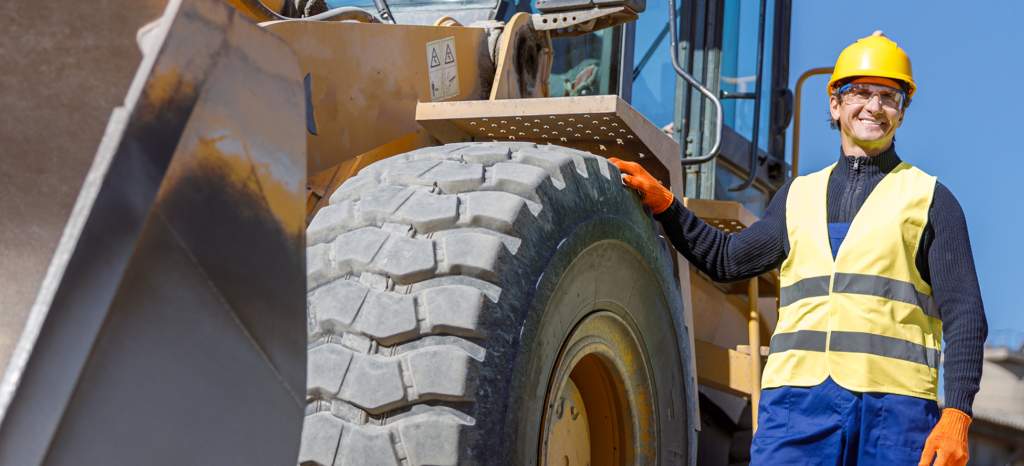
Did you know that construction forklifts, also known as rough terrain forklifts, account for over 30% of material handling equipment used on Australian construction sites? These powerful machines play a crucial role in moving heavy materials, ensuring projects run smoothly and efficiently. Construction site forklifts are essential for lifting and transporting materials across uneven and challenging terrains commonly found on job sites. Whether you are a construction company owner, site manager, or procurement officer, selecting the right forklift can significantly impact your project’s success. 1. Types of Construction Forklifts Choosing the right type of construction forklift is essential for the efficiency and safety of your project. There are two main categories to consider: Rough Terrain Forklifts and Compact Forklifts. Additionally, understanding the different fuel types—Electric, Diesel, and LPG Forklifts—can help you make an informed decision based on your site’s specific needs. Rough Terrain vs. Compact Forklifts Rough Terrain Forklifts are built to handle outdoor construction sites with uneven and challenging surfaces. They feature large pneumatic tyres that provide excellent traction and stability on dirt, gravel, and other rough terrains. These forklifts are ideal for heavy-duty tasks such as moving large construction materials, equipment, and supplies across the site. Their robust design ensures durability and reliability in harsh conditions. On the other hand, Compact Forklifts are smaller and more maneuverable, making them suitable for tight spaces and indoor use. They are perfect for tasks that require precision and agility, such as stacking materials in confined areas or navigating narrow pathways. Compact forklifts are lighter and easier to transport, which is beneficial for projects with limited space or requiring frequent movement between different areas. Electric, Diesel, and LPG Forklifts When selecting a construction forklift, the fuel type plays a significant role in determining its efficiency and environmental impact. Here’s a comparison of the three main fuel types. Electric Forklifts are powered by batteries, making them an eco-friendly option. They produce zero emissions, which is great for indoor environments and sites with strict environmental regulations. Electric forklifts are also quieter, reducing noise pollution on the construction site. They require less maintenance compared to their fuel-powered counterparts, as they have fewer moving parts. However, their operational time is limited by battery life, and recharging can take several hours. Diesel Forklifts are known for their power and durability, making them suitable for heavy-duty outdoor tasks. They offer high load capacities and are effective in handling large materials over long distances. Diesel forklifts are more fuel-efficient for extended use and can operate continuously without the need for frequent refuelling. However, they emit pollutants, which can be a concern for indoor use and environmentally sensitive areas. Additionally, diesel forklifts tend to require more maintenance due to their complex engines. LPG (Propane) Forklifts provide a middle ground between electric and diesel forklifts. They offer the power and durability needed for outdoor construction tasks while producing fewer emissions than diesel forklifts. LPG forklifts are versatile and can be used both indoors and outdoors, making them a flexible choice for various construction sites. They also have faster refuelling times compared to electric forklifts, allowing for longer operational periods. However, LPG forklifts still require regular maintenance and proper fuel storage to ensure safety and efficiency. 2. Load Capacity and Lift Height Selecting a construction forklift with the right load capacity and lift height is crucial for the efficiency and safety of your project. These two factors determine how well the forklift can handle your specific tasks and contribute to overall project success. Load Capacity Load Capacity refers to the maximum weight a forklift can safely lift and transport. Choosing a forklift with an appropriate load capacity is essential to prevent accidents and ensure smooth operations on your construction site. Maximising Lift Height Lift Height is the maximum vertical distance a forklift can raise a load. Proper lift height is vital for stacking materials efficiently and accessing high storage areas without compromising safety. 3. Safety Features Ensuring the safety of operators and workers on a construction site is paramount. Modern construction forklifts come equipped with various safety features that help prevent accidents and promote a secure working environment. Here are the key safety features to consider when selecting a forklift. ROPS and Operator Protection ROPS (Rollover Protective Structures) are essential for protecting forklift operators in the event of a rollover. These sturdy frameworks surround the operator’s cab, providing a barrier against falling objects and impacts. Additionally, seat belts are a critical component of operator protection. They keep the operator securely in place, reducing the risk of injury during sudden movements or accidents. Stability Controls Stability controls are systems designed to maintain the forklift’s balance during operation. These controls monitor factors such as load weight and distribution, automatically adjusting the forklift’s stability to prevent tipping. By maintaining balance, stability controls ensure that the forklift operates safely, even when handling heavy or uneven loads. Safety Alarms and Load Backrests Safety alarms are audible and visual signals that alert operators and nearby workers to potential hazards. These alarms can indicate when the forklift is in motion, when a load is being lifted, or when the forklift is approaching a restricted area. By providing clear warnings, safety alarms help prevent accidents and ensure that everyone on the site remains aware of forklift movements. Load backrests are protective barriers attached to the forklift’s forks. They prevent loads from falling backward, especially when the forklift is moving or turning. Load backrests enhance load stability, reducing the risk of materials shifting and causing accidents. This feature is particularly important when handling long or unstable loads, ensuring that materials remain secure during transportation. 4. Operational Specifications When choosing a construction forklift, understanding its operational specifications is vital for ensuring it meets your project’s needs. Two key aspects to consider are turning radius and maneuverability, as well as fuel efficiency and battery life. These factors influence how well the forklift performs in various environments and impact your overall operational costs. Turning Radius and Maneuverability The turning radius of a forklift determines how tightly it can turn. This is especially important on construction sites with limited space or narrow pathways. Choosing a forklift with an appropriate turning
What is a telehandler?
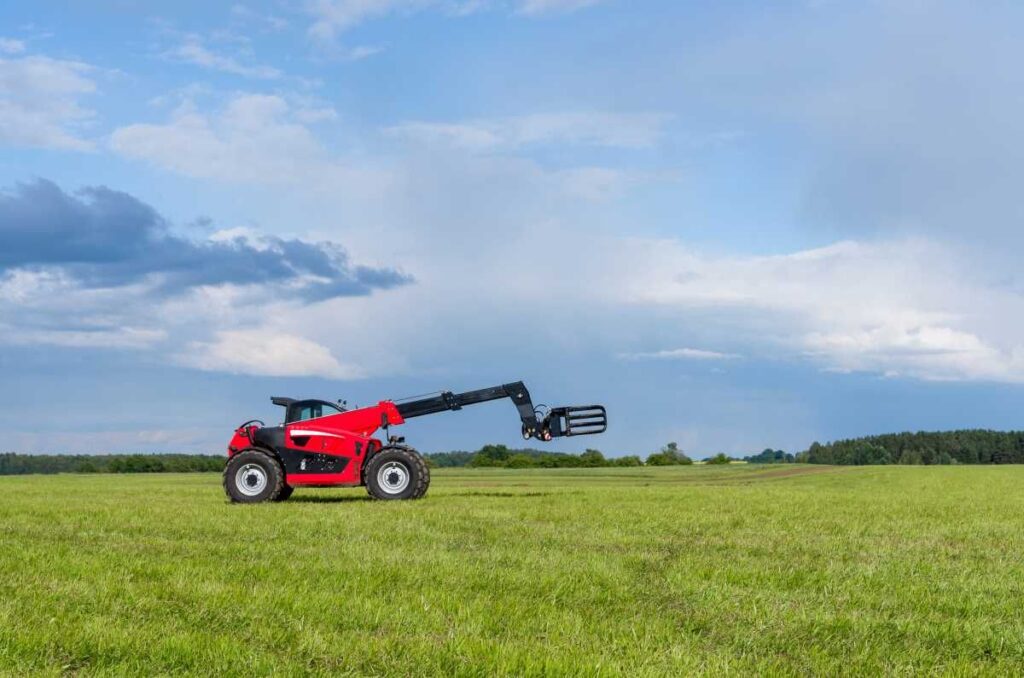
What a telehandler or telescopic handler is, what types of telehandlers exists and applications. In the world of construction and material handling, a telehandler or a telescopic handler is a versatile and indispensable piece of equipment that plays a crucial role in various industries. Telehandlers, often referred to as telescopic handlers or boom lifts, are multi-purpose machines designed for lifting and transporting heavy loads in a variety of industries. They are equipped with a telescopic boom that can extend upwards and forward, making them highly versatile and efficient in tasks that require reach and height. The Basics of Telehandlers What is a Telehandler? A telehandler, at its core, is a type of material handling equipment that combines the functions of a forklift and a crane. It’s designed to lift, move, and place heavy loads with precision and control. The key feature that sets telehandlers apart from other equipment is their telescopic boom, which can extend and retract as needed. How Does a Telehandler Work? A telehandler operates by utilising a telescopic boom attached to a sturdy chassis. This telescopic boom extends and retracts, thanks to hydraulic systems, allowing the machine to reach different heights and distances. At the end of the boom, various attachments like forks, buckets, or hooks can be mounted to lift and handle different types of loads. The operator, seated in the cab, controls the telehandler’s movements, steering, and the functions of the hydraulic system. Four-wheel steering enhances maneuverability, making it suitable for navigating confined spaces. Telehandlers come in various sizes with different load capacities, and adherence to safety guidelines and load charts is crucial for their safe and efficient operation. Types of Telehandlers Fixed-Frame Telehandlers A fixed-frame telehandler, also known as a rigid-frame telehandler or non-rotating telehandler, is a type of heavy machinery used for lifting, moving, and placing loads in various industries, including construction, agriculture, and industrial settings. Unlike rotating telehandlers, which have the capability to rotate their entire upper structure 360 degrees, fixed-frame telehandlers have a stationary chassis. This means that the chassis does not rotate independently from the telescopic boom. One of the distinguishing features of fixed-frame telehandlers is their limited rotation. While they can steer their wheels for navigation and maneuvering, the entire chassis remains fixed in place. This limitation means that they cannot rotate the entire machine to position a load precisely like rotating telehandlers can. However, this does not diminish their usefulness in a wide range of lifting and material handling tasks. Fixed-frame telehandlers are valued for their versatility. They are well-suited for tasks that involve lifting heavy loads to significant heights. Their design typically prioritises stability and sturdiness, allowing them to handle demanding applications with ease. These telehandlers are often chosen for tasks such as lifting construction materials, stacking pallets, handling agricultural products, and more. Another advantage of fixed-frame telehandlers is their cost-effectiveness. They tend to be more budget-friendly than rotating telehandlers, making them a preferred choice for operators and businesses looking for a reliable and economical lifting solution. The cost savings can be especially significant when the specific task at hand does not require the advanced rotation capabilities of a rotating telehandler. Rotating Telehandlers Rotating telehandlers, often referred to as telehandlers with a rotating turret or turntable, are a specialised type of telehandler designed for lifting and material handling tasks that require precise rotation of the load. Unlike fixed-frame telehandlers, which have a stationary chassis, rotating telehandlers have a turret or turntable at the top of the chassis that can rotate a full 360 degrees independently from the chassis itself. One of the primary features that sets rotating telehandlers apart is their ability to rotate the entire upper structure of the machine. This allows the operator to position the load with exceptional precision, making them particularly useful for tasks where precise load placement is essential. The rotating turret provides a high degree of flexibility, making it easier to handle materials in tight or confined spaces and to reach around obstacles. Rotating telehandlers are commonly used in various industries and applications. In construction, they excel at tasks such as steel erection, placing building materials with precision, and working in congested construction sites where space is limited. In agriculture, they can be used for tasks like stacking bales of hay or straw and loading materials onto trucks or trailers. Their versatility extends to industrial settings, where they are used for moving heavy equipment or handling materials in warehouses and manufacturing facilities. The operator’s cab in a rotating telehandler is typically positioned on the turret, allowing the operator to have a clear view of the load and the surroundings, which is crucial for safe and efficient operation. The telescopic boom, similar to that of fixed-frame telehandlers, can extend and retract, providing reach and lift capacity as needed. Key Components of a Telehandler Telehandlers consist of several essential components, including: Boom The boom is the telescopic arm of the telehandler. It can extend and retract to reach various heights and distances. Fork Attachment Fork attachments are commonly used with telehandlers for lifting and carrying loads, similar to forklifts. Hydraulic System The hydraulic system powers the boom and attachments, providing the necessary force and control. Chassis The chassis is the machine’s frame, supporting all other components and providing stability. Benefits of Using Telehandlers Versatility Telehandlers are versatile machines that can perform a wide range of tasks, from lifting materials on construction sites to handling hay bales on farms. Reach and Height One of the primary advantages of telehandlers is their ability to reach high places and extend horizontally, making them invaluable in tasks that require elevation and distance. Load Capacity Telehandlers are known for their impressive load-carrying capacity, making them suitable for heavy lifting. Manoeuvrability Despite their size and power, telehandlers are surprisingly agile and can operate in confined spaces. Applications of Telehandlers Construction Sites Telehandlers are commonly used in construction for tasks such as lifting and placing steel beams, transporting construction materials, and working at heights. Agriculture In agriculture, telehandlers are