Forklift Hire Demand Increases Ahead of EOFY
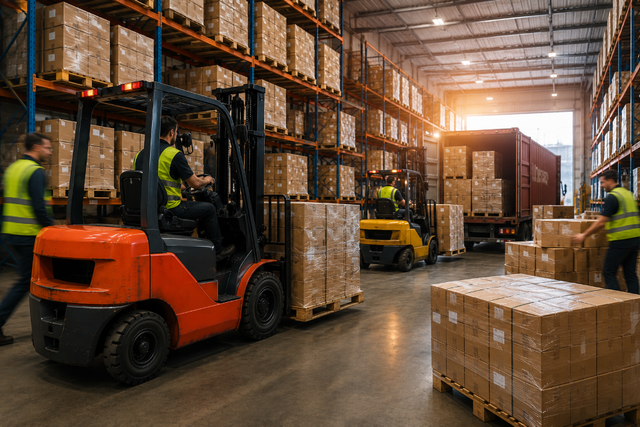
As the end of the financial year (EOFY) approaches, many Australian businesses experience a significant increase in activity. Warehouses work to clear stock, construction projects push to meet deadlines, and logistics companies manage higher freight volumes. As a result, demand for forklift hire often rises sharply in the weeks leading up to 30 June. For businesses across Melbourne, hiring a forklift can provide a practical and cost-effective solution when workloads increase temporarily. Increased Demand Across Warehouses and Distribution Centres EOFY is a busy period for many warehouses and distribution facilities. Businesses often conduct stocktakes, move inventory between locations and prepare for annual reporting requirements. These activities can place additional pressure on existing equipment fleets. Rather than purchasing another forklift, many businesses choose short-term forklift hire to increase capacity during peak periods. Hiring an additional forklift allows warehouse teams to maintain productivity without making a long-term financial commitment. Businesses Need More Flexibility Before 30 June Many companies experience fluctuations in workload leading up to EOFY. Some are clearing excess inventory, while others are bringing forward projects to finalise budgets before the new financial year begins. Forklift rental provides the flexibility to scale operations up or down as required. Whether you need an electric forklift for warehouse work or a larger diesel forklift for outdoor applications, hiring equipment allows businesses to respond quickly to changing demands. Construction Projects Push to Meet Deadlines Construction and infrastructure projects often accelerate before EOFY as contractors work towards milestone targets and project completion dates. Additional forklifts can help manage material deliveries, transport pallets around site and reduce downtime caused by equipment shortages. For many contractors, forklift hire is a more practical option than purchasing equipment that may only be required for a short period. Stocktakes Create Additional Material Handling Requirements Annual stocktakes are a common reason businesses seek forklift hire before EOFY. Moving pallets, reorganising storage areas and counting inventory can require additional equipment for a limited time. Hiring a forklift helps businesses complete stocktakes more efficiently while allowing day-to-day operations to continue with minimal disruption. Hiring Can Be More Cost-Effective Than Buying While some businesses consider purchasing equipment before EOFY, forklift hire often remains the more economical option when equipment is only needed temporarily. Hiring eliminates the upfront capital expense associated with purchasing a forklift and removes concerns around maintenance, servicing and storage. Businesses can access the equipment they need for the duration required without taking on the responsibilities of ownership. Preparing for New Financial Year Growth Many businesses secure new contracts, expand operations or open additional facilities at the start of a new financial year. Forklift hire can provide a temporary solution while businesses assess long-term equipment requirements. It also allows operators to trial different forklift types and capacities before deciding whether purchasing equipment is the right option. Avoid Downtime During Peak Business Periods An unexpected forklift breakdown during EOFY can quickly affect productivity and project timelines. Many businesses hire additional forklifts as a backup solution to ensure operations continue running smoothly during busy periods. Having access to reliable equipment helps reduce operational risks and keeps projects moving. Book Forklift Hire Early Before EOFY Demand for forklift hire typically increases throughout May and June as businesses prepare for EOFY activities. Popular forklift models and capacities can become harder to secure as availability decreases. Booking early helps ensure access to the right equipment when it is needed most and avoids delays during one of the busiest periods of the year. Need Forklift Hire in Melbourne? Whether you require short-term forklift hire in Melbourne for EOFY stocktake requirements or long-term forklift rental to support business growth, Heavy Lift Forklifts offers a wide range of reliable equipment to suit your operational needs. From electric forklifts and LPG forklifts through to high-capacity forklifts for demanding applications, our team can help you find the right solution for your business. Visit us: 826 Mountain Hwy, Bayswater VIC Call us: (03) 9762 4965
Forklift for Unloading Containers: What Size, Capacity and Type Do You Need?
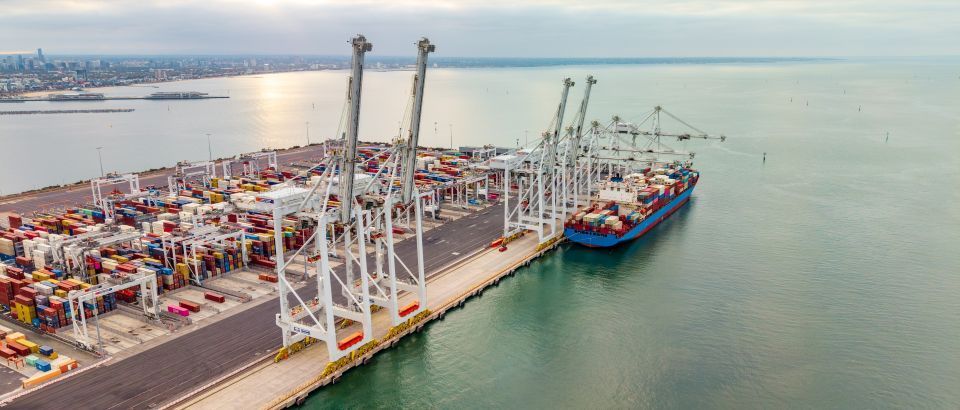
Shipping containers are used to transport everything from palletised goods and building materials to machinery and industrial equipment. While unloading a container may seem straightforward, choosing the right forklift can have a significant impact on safety, efficiency and productivity. The ideal forklift for unloading containers depends on several factors, including the weight and size of the loads, the available operating space, the type of surface being worked on and whether the forklift needs to enter the container itself. Selecting a machine that is too small can create safety risks, while an oversized forklift may be difficult to manoeuvre in confined areas. Which Forklift Is Best for Unloading Containers? For many businesses, a 2.5 to 3 tonne counterbalance forklift is sufficient for unloading palletised goods from standard shipping containers. These forklifts offer a good balance of lifting capacity, manoeuvrability and operating costs, making them a popular choice for warehouses, distribution centres and general freight operations. However, heavier cargo may require a 4 tonne, 5 tonne or larger forklift, while businesses working primarily indoors may benefit from an electric forklift. LPG forklifts are often chosen for mixed indoor and outdoor use, while diesel forklifts are commonly used for heavy-duty outdoor applications where additional power is required. Container dimensions also play an important role. In some situations, the forklift may need to enter the container to retrieve loads from the rear, making overall height and mast configuration important considerations. The best forklift for unloading containers is one that can safely handle your typical loads while operating efficiently within your available workspace. Knowing your load weights, container types and operating environment will help narrow down the most suitable forklift size and configuration. How to Unload a Container with a Forklift Safely Containers often contain heavy loads packed into confined spaces, making it important to follow the correct procedures and use equipment that is suitable for the task. Before unloading begins, inspect the container for any signs of damage and ensure the load has remained stable during transport. Shifting cargo can create hazards when container doors are opened, particularly if items have moved during transit. Once the container has been checked, confirm that the forklift has sufficient lifting capacity for the loads being handled. Operators should also ensure there is enough clearance around the container to manoeuvre safely and transport goods away from the unloading area. When unloading, remove freight methodically, starting with loads closest to the container opening. Forks should be positioned fully beneath pallets or loads before lifting, and operators should avoid sudden movements that may destabilise the load. Travelling with the load lowered helps maintain visibility and reduces the risk of tipping. Good communication between forklift operators and ground personnel is also essential, particularly in busy warehouse yards, freight depots and construction sites where multiple vehicles and workers may be present. By following safe operating procedures and using the right forklift for the application, businesses can reduce the risk of injuries, product damage and costly downtime during container unloading operations. What Size Forklift Do You Need for Container Unloading? The right forklift size depends on the weight of the goods being unloaded, how they are packaged and whether the forklift needs to enter the container. While many shipping containers carry standard palletised freight, some loads may require significantly greater lifting capacity. 2.5 Tonne Forklifts A 2.5 tonne forklift is commonly used for unloading lighter palletised goods, cartons and general freight. It offers good manoeuvrability and is often suitable for warehouses, retail distribution and businesses handling standard pallet loads. 3 Tonne Forklifts A 3 tonne forklift is one of the most popular choices for container unloading. It provides additional lifting capacity while remaining compact enough for most loading areas and warehouses. For many businesses, it offers the best balance between performance and versatility. 4 to 5 Tonne Forklifts When containers carry heavier products such as construction materials, machinery components or large bulk items, a 4 or 5 tonne forklift may be required. These forklifts provide greater lifting capability and improved stability when handling heavier loads. 7 Tonne and Larger Forklifts Heavy-duty forklifts are typically used for unloading oversized freight, industrial equipment, steel products and other high-capacity loads. These machines are designed for demanding applications where standard forklifts may not provide sufficient lifting capability. It’s important to remember that forklift capacity ratings are based on specific load centres and operating conditions. The actual weight of the load, its dimensions and how far it extends beyond the forks can all affect lifting performance. Before selecting a forklift for unloading containers, ensure the machine is appropriately rated for your typical cargo and operating environment. Contact Heavy Lift Forklifts in Melbourne for advice on what forklift is suitable for your operations. Which Type of Forklift Is Best for Unloading Containers? The best type of forklift for unloading containers depends on the loads being handled, the operating environment and how frequently containers are received. While capacity is important, choosing the right forklift configuration can also improve efficiency and operator comfort. Counterbalance Forklifts Counterbalance forklifts are the most commonly used forklifts for container unloading. Their straightforward design allows operators to approach loads directly, making them suitable for handling palletised goods, packaged products and general freight. They are available in a wide range of capacities and fuel types, making them a versatile option for many businesses. Electric Forklifts Electric forklifts are well suited to warehouses and distribution centres where containers are unloaded indoors. They produce no exhaust emissions during operation and offer quiet performance, making them a popular choice for businesses with indoor handling requirements. Modern electric forklifts also provide strong lifting performance and lower ongoing maintenance requirements. LPG Forklifts LPG forklifts are often chosen by businesses that operate both indoors and outdoors. They can be refuelled quickly and provide consistent performance throughout long shifts. Their versatility makes them a practical option for warehouses, transport companies and logistics operations that regularly unload containers. Diesel Forklifts Diesel forklifts are commonly used for heavy-duty container unloading in outdoor environments. They offer strong lifting power and are available in larger
Are Electric Forklifts Worth It?
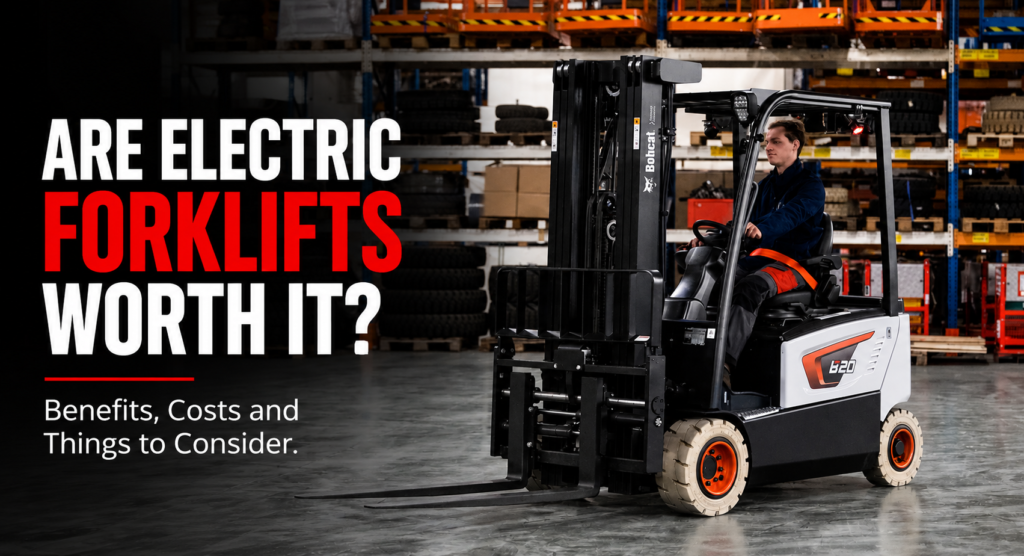
Are Electric Forklifts Worth It? Benefits, Costs and Things to Consider Electric forklifts have become increasingly popular across warehouses, distribution centres and manufacturing facilities, but many businesses still ask the same questions: are electric forklifts good, are electric forklifts worth it, and how much does an electric forklift cost? For many operations, the answer is yes. Modern electric forklifts offer lower running costs, reduced maintenance requirements, quieter operation and zero tailpipe emissions compared to diesel or LPG alternatives. Advances in battery technology have also improved performance, making electric forklifts a practical solution for a wider range of applications than ever before. However, an electric forklift is not automatically the best choice for every business. Factors such as your operating environment, lifting requirements, daily usage and budget all play an important role in determining whether an electric model is the right investment. Are Electric Forklifts Good? Yes, electric forklifts are a good choice for many businesses, particularly those operating in warehouses, distribution centres, manufacturing facilities and other indoor environments. Modern electric forklifts are more powerful, efficient and reliable than ever before, making them a practical alternative to diesel and LPG models for a wide range of material handling tasks. However, like any piece of equipment, they have both advantages and limitations. Understanding these can help you determine whether an electric forklift is the right fit for your operation. Advantages of Electric Forklifts Lower Running Costs One of the biggest advantages of an electric forklift is its lower operating cost. Electricity is generally less expensive than diesel or LPG, helping businesses reduce ongoing fuel expenses over the life of the machine. Which forklift is the cheapest to run? Quiet Operation Electric forklifts operate much more quietly than internal combustion models. This creates a more comfortable working environment and allows staff to communicate more easily, particularly in busy warehouses and production facilities. No Exhaust Fumes Unlike diesel or LPG forklifts, electric models produce no tailpipe emissions during operation. This makes them ideal for indoor use where air quality is important and ventilation may be limited. Lower Maintenance Requirements Electric forklifts have fewer moving parts than engine-powered forklifts. There are no engine oils, fuel filters, spark plugs or exhaust systems to maintain, which can help reduce servicing costs and minimise downtime. Excellent Indoor Performance Electric forklifts are commonly used in warehouses and distribution centres because they offer precise handling, compact designs and excellent manoeuvrability in confined spaces. Smooth Acceleration and Control Modern electric forklifts provide smooth acceleration and responsive controls, helping operators handle loads accurately and safely. Features such as regenerative braking can also improve efficiency and operator control. Potential Limitations of Electric Forklifts Battery Charging Requirements Unlike diesel or LPG forklifts that can be refuelled quickly, electric forklifts require battery charging. Businesses operating multiple shifts may need additional batteries or charging infrastructure to maintain productivity. Higher Upfront Purchase Price Electric forklifts can have a higher initial purchase price, particularly models equipped with lithium-ion batteries. However, lower operating and maintenance costs often help offset this investment over time. Not Always Ideal for Heavy Outdoor Applications While electric forklifts continue to improve, some heavy-duty outdoor environments may still be better suited to diesel forklifts. Rough terrain, long operating hours and demanding lifting applications can influence the most suitable forklift type. Can electric forklift be used in the rain? Read here… Performance Depends on Battery Technology Battery performance varies between lead-acid and lithium-ion systems. Factors such as charging practices, operating conditions and battery age can all affect runtime and overall efficiency. Read about what charging mistakes cause premature forklift battery failure… The Verdict For many Victorian businesses, electric forklifts are an excellent investment. They offer lower running costs, quieter operation, reduced maintenance and strong indoor performance. However, businesses should carefully consider their operating environment, workload and charging requirements before making a decision. Factor Electric Forklift Diesel/LPG Forklift Running costs Lower Higher Maintenance Lower Higher Indoor use Excellent Limited Emissions Zero Produces emissions Refuelling Battery charging Fuel refill Outdoor use Good in some environments Excellent Are Electric Forklifts Worth It for Victorian Businesses? For many Victorian businesses, electric forklifts are worth the investment, particularly when operating in warehouses, distribution centres and manufacturing facilities. While the initial purchase price can be higher than a comparable diesel or LPG forklift, lower running and maintenance costs can help offset that investment over time. For many businesses operating primarily indoors, electric forklifts can provide lower long-term ownership costs despite a higher upfront purchase price. Reduced fuel costs, fewer maintenance requirements and improved workplace conditions often make them a smart investment for warehouses, manufacturing facilities and distribution centres across Melbourne and regional Victoria. How Much Is an Electric Forklift? The cost of an electric forklift can vary significantly depending on factors such as lifting capacity, mast height, battery type, brand and whether the forklift is new or used. As a general guide, electric forklifts typically cost more upfront than comparable diesel or LPG models, particularly those equipped with lithium-ion batteries. However, many businesses find the higher purchase price is offset by lower running and maintenance costs over time. If you’re considering a used electric forklift, the condition of the battery is one of the most important factors affecting value. A well-maintained forklift with a healthy battery can provide excellent long-term performance at a lower purchase price. Because prices vary between models and specifications, it’s best to obtain a tailored quote based on your lifting requirements, operating environment and intended usage. Need Advice on Electric Forklifts? Whether you’re looking for electric forklifts for sale or forklift hire in Melbourne, our experienced team can help you compare options and find the right machine for your business. Contact Heavy Lift Forklifts today for a free, no-obligation quote and expert advice. How Long Do Electric Forklift Batteries Last? The lifespan of an electric forklift battery depends on the battery type, usage and maintenance. In general, lead-acid batteries can last around 1,000 to 1,500 charging cycles, while lithium-ion batteries often last significantly longer. Proper charging practices and regular maintenance can help maximise battery life
How Long Before a Forklift Battery Needs Replacing?
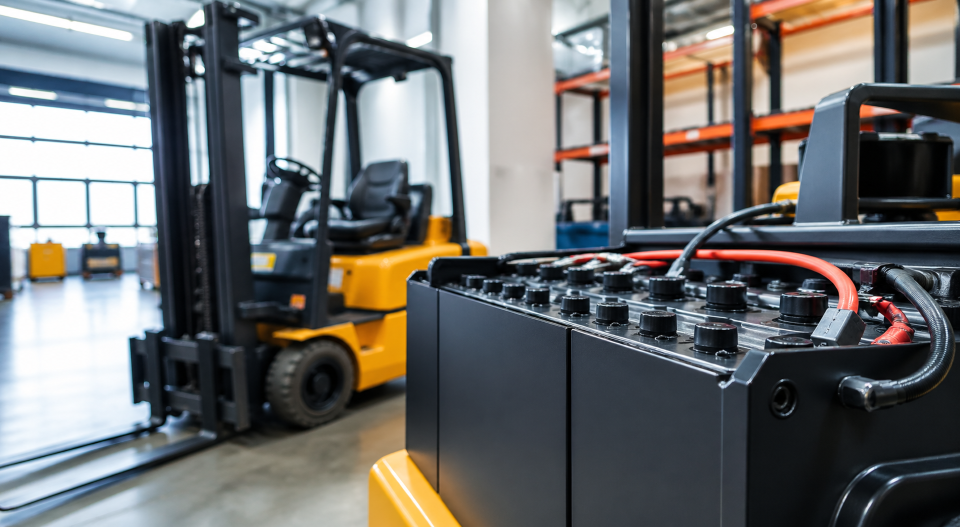
Forklift batteries don’t just “wear out” one day, but they don’t last forever either. The problem is, most businesses only realise there’s an issue when run times start dropping, charging takes longer, or a truck can’t get through a full shift. By that point, productivity is already taking a hit. The reality is that forklift battery lifespan isn’t fixed. It depends on how the battery is used, how it’s charged, and how well it’s maintained. In some operations, a battery might last five years. In others, it struggles to make it past three. What Is the Typical Forklift Battery Lifespan? Most forklift batteries don’t fail overnight. They gradually lose capacity over time until they can’t reliably get through a shift. For a standard lead-acid forklift battery, you’re typically looking at around 1,200 to 1,500 charge cycles. In real terms, that usually works out to – Lithium-ion batteries tend to last longer. They can reach 2,000 to 3,000+ cycles, which can push lifespan beyond 6 to 8 years depending on how they’re used. That said, these are just averages. Two identical batteries can have completely different lifespans based on how they’re handled day to day. Poor charging habits, running batteries too flat, or skipping maintenance can cut years off the forklift battery life. What Affects Battery Lifespan? There’s no single reason a forklift battery wears out. It’s usually a mix of how it’s used, how it’s charged and how well it’s looked after day to day. When you look at it together, forklift battery lifespan isn’t random. It’s the result of daily habits. Get those right, and you can add years. Get them wrong, and even a new battery won’t last as long as it should. Signs Your Forklift Battery Is Reaching the End Batteries don’t usually fail all at once. The signs build up over time. The earlier you catch them, the easier it is to plan a replacement before it starts affecting your operations. At this point, it’s not just about performance. It becomes a planning decision. Keep pushing it and risk downtime, or replace it before it impacts productivity. Should You Replace or Recondition Your Forklift Battery? Not every underperforming battery needs to be replaced straight away. In some cases, reconditioning can buy you more time. The key is knowing when it’s worth it and when it’s just delaying the inevitable. When reconditioning makes sense Reconditioning can help if the battery is still relatively early in its life but has lost performance due to poor maintenance or charging habits. Things like sulphation in lead-acid batteries can sometimes be reversed with equalising charges or specialised equipment. It’s usually worth considering if – In these cases, reconditioning can restore some capacity and extend usable life without the cost of a full replacement. When replacement is the better option If the battery is already near the end of its expected lifespan, reconditioning tends to be a short-term fix at best. You might get a small improvement, but it won’t last long. Replacement makes more sense when – At that point, you’re often better off investing in a new battery rather than putting more money into one that’s already worn out. Lead-Acid vs Lithium: Does Lifespan Change? Battery type plays a big role in how long you can expect it to last, but the real difference comes down to how each one handles daily use. Lead-acid batteries are more sensitive to how they’re charged and maintained. They need full charge cycles, regular watering and consistent care to reach their expected lifespan. When they’re looked after properly, they perform well, but small mistakes over time can shorten their life quite quickly. They’re more affordable upfront but typically last around 1,200 to 1,500 charge cycles. Lithium-ion batteries are more forgiving. They handle partial charging better, don’t require maintenance like watering, and tend to deliver more consistent performance throughout their life. This makes them better suited to multi-shift operations or environments where uptime is critical. They can handle 2,000 to 3,000+ cycles and often last significantly longer, especially in multi-shift environments. What a New Forklift Battery Actually Costs There’s no single price for a forklift battery. Costs can vary a lot depending on the size of the forklift, the battery type and how the equipment is used day to day. For a standard lead-acid battery, you’re generally looking at anywhere from a few thousand dollars for smaller units up to $8,000 to $15,000+ for larger forklifts. Lithium-ion batteries sit at the higher end, often starting above that range and increasing depending on capacity and setup. Factors that influence the cost – It’s also worth looking beyond the upfront price. Lead-acid batteries are cheaper to buy but require ongoing maintenance and can have shorter lifespans if not managed properly. Lithium batteries cost more initially, but they can reduce downtime, eliminate maintenance and last longer in the right conditions. In practice, the “cheapest” option isn’t always the one with the lowest price tag. It’s the one that keeps your forklifts running reliably without constant interruptions or added maintenance costs. Need Help with Your Forklift Battery? If your battery isn’t lasting through the day or you’re starting to see signs of wear, it’s worth getting it checked before it turns into downtime. At Heavy Lift Forklifts, we don’t just supply forklifts. We inspect, service and replace batteries properly, so you’re not guessing or throwing money at short-term fixes. Whether you need a replacement battery, a full forklift upgrade or advice on what will actually last in your operation, we can point you in the right direction. Get in touch with our team to organise a quick assessment or talk through your options. Heavy Lift Forklifts Forklifts For Hire Melbourne >> | Forklifts For Sale Melbourne >> Our showroom: 826 Mountain Hwy, Bayswater VIC Call us on: (03) 9762 4965
Winter Forklift Maintenance: Starting Issues, Condensation & Storage
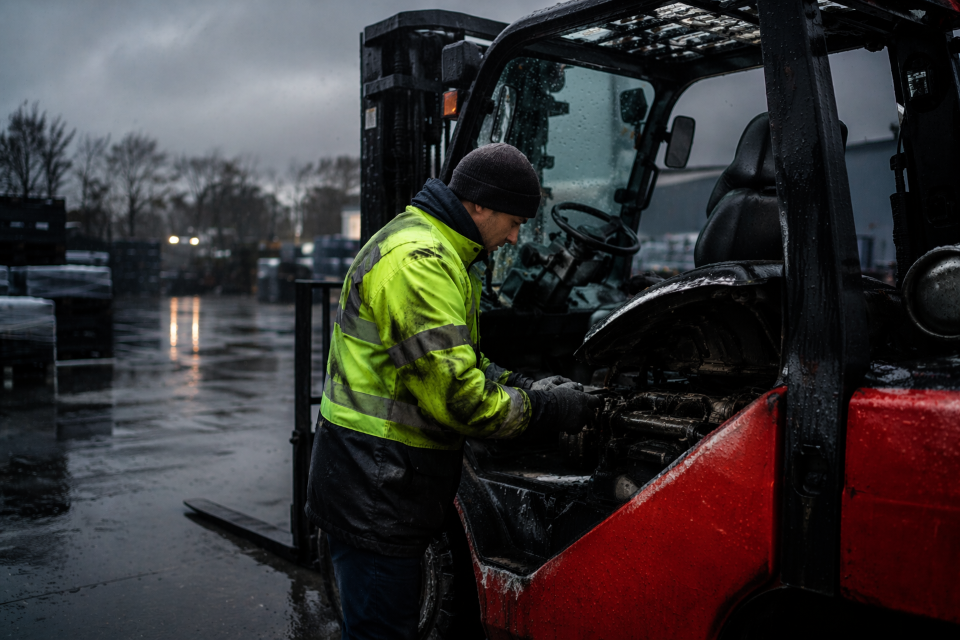
What Cold and Moisture Do to Your Forklift in Winter Winter doesn’t need extreme temperatures to affect forklift performance. Across Australia, it’s the combination of cooler mornings, damp air, and constant temperature changes that creates the biggest impact, especially in environments where forklifts move between indoor and outdoor areas. Cold conditions primarily affect how your forklift starts and responds. Fluids such as engine oil and hydraulic oil become thicker, which increases resistance and makes components work harder during startup. Batteries also produce less power in lower temperatures, meaning less cranking strength and reduced runtime early in the day. This is why forklifts often feel slower, less responsive, or harder to start in the morning. Moisture, however, is where most long-term issues begin. As temperatures fluctuate, condensation can form inside key components. This often happens when a forklift moves from a cold yard into a warmer warehouse, or after sitting overnight in damp conditions. That moisture doesn’t just sit on surfaces, it can make its way into fuel systems, electrical connections, and hydraulic components. Over time, this leads to problems that are harder to detect early on. Water contamination in fuel can affect combustion and performance. Electrical moisture can cause intermittent faults or corrosion. Even small amounts of moisture in hydraulic systems can reduce efficiency and accelerate wear. The key difference is this. Cold weather creates immediate performance changes, while moisture creates gradual reliability issues. Read below if you want stay ahead of winter-related breakdowns. Hard Starts in Winter: What’s Actually Causing It? If your forklift takes longer to turn over or feels sluggish first thing in the morning, it’s usually not one single issue. Winter starting problems tend to come from a combination of small factors that all stack up when temperatures drop. The most common starting point is the battery. In cooler conditions, batteries produce less power, which means less cranking strength when you go to start the machine. Older batteries or ones that are not fully charged will struggle the most, often showing signs like slow turnover, dim displays, or needing multiple attempts to start. Fluids also play a role. Engine oil and hydraulic oil naturally thicken in lower temperatures, which increases resistance inside the system. This makes the engine work harder to turn over and can delay how quickly the forklift responds once it starts. That “heavy” or sluggish feeling early in the day is often down to this. For diesel and LPG forklifts, ignition and fuel delivery can add another layer. Diesel units may not ignite as efficiently in cooler conditions, while LPG systems can experience pressure changes that affect starting consistency. Starter motors and ignition components are also under more strain during cold starts, especially if maintenance has been pushed out. The important thing to understand is that these issues are usually gradual. A forklift that starts fine in warmer months may begin to show small delays or hesitation as conditions change. Catching these early, through regular checks and maintenance, is what prevents a simple cold start issue from turning into a breakdown. Condensation: The Silent Killer While cold starts are easy to notice, condensation is what quietly causes the most damage over time. It builds up without obvious warning signs and often isn’t picked up until performance drops or faults start appearing. Condensation forms when there are temperature changes, especially when a forklift moves between colder outdoor conditions and warmer indoor environments. That shift causes moisture in the air to settle on and inside components. In places like Melbourne, where cool nights are followed by milder days, this cycle can happen daily. One of the biggest risk areas is the fuel system. As air inside the tank cools and warms, moisture can form and mix with the fuel. Even small amounts of water can affect combustion, reduce efficiency, and lead to long-term engine issues if left unchecked. Electrical systems are another vulnerable point. Moisture can settle on connectors, wiring, and control units, leading to corrosion or intermittent faults that are difficult to diagnose. These issues often appear as random errors, inconsistent performance, or sudden electrical failures. Hydraulic systems are not immune either. Contaminated fluid can reduce responsiveness and increase wear on internal components, particularly if the forklift is already working under load. What makes condensation dangerous is how gradual it is. Unlike a flat battery or a failed part, it builds up slowly and spreads across multiple systems. Forklifts that sit idle for long periods or frequently move between environments are the most exposed. Managing it comes down to consistency. Keeping equipment in stable conditions, reducing unnecessary exposure to damp environments, and running forklifts regularly all help limit moisture build-up before it turns into a larger issue. For hydraulic repairs in Melbourne, contat our team at Heavy Lift Forklifts on (03) 9762 4965. Winter Storage Done Right (Short-Term vs Long-Term) Storing a forklift over winter isn’t just about parking it and walking away. Even short periods of inactivity in damp conditions can lead to battery drain, moisture build-up, and component wear. The way you store your equipment directly impacts how it performs when you bring it back into use. For short-term storage, the goal is to keep everything stable. Parking the forklift in a dry, covered area reduces exposure to overnight moisture and temperature swings. Batteries should be kept charged, and the machine should ideally be run periodically to keep fluids circulating and prevent internal components from sitting idle. Long-term storage requires a more deliberate approach. Before storing, it’s important to clean the forklift thoroughly to remove dirt and moisture that can lead to corrosion. Batteries should be fully charged, and in most cases disconnected, to prevent gradual discharge. Fluids should be checked and topped up, and moving parts lightly lubricated to protect against rust. Where the forklift is stored matters just as much as how it’s prepared. Indoor storage is always preferred, but if that’s not possible, using proper covers and avoiding direct exposure to rain or heavy dew can make a significant difference. The aim is to reduce moisture exposure and limit temperature fluctuations as much as possible. When it’s
What Is Forklift Telematics and How Does It Work?
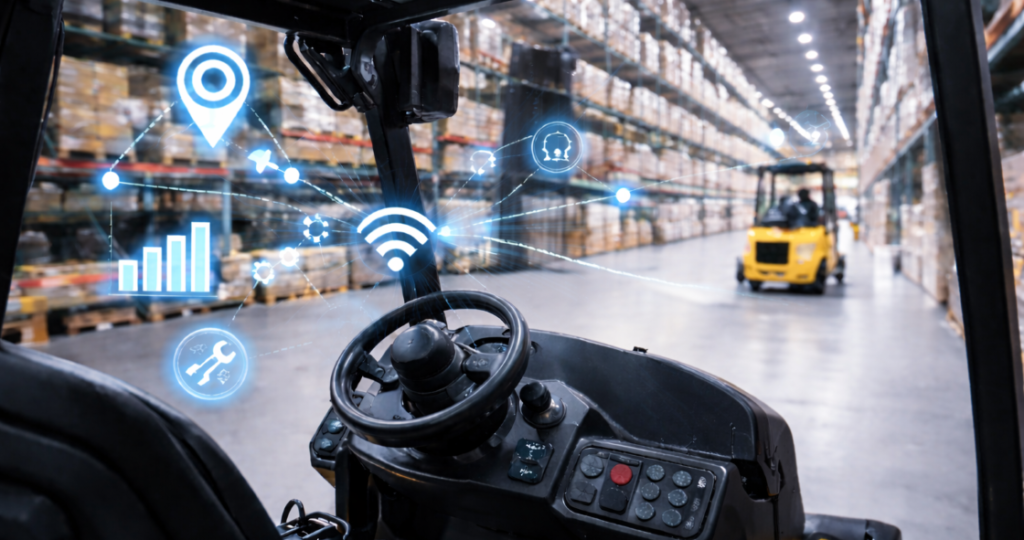
Managing a forklift fleet is no longer just about keeping machines running. Today, businesses are under pressure to improve safety, reduce operating costs, and get more value out of every piece of equipment. That is where forklift telematics comes in. What Is Forklift Telematics? Forklift telematics is a system that uses technology to track, monitor, and report on how your forklifts are being used. It combines hardware fitted to the machine with software that turns raw data into clear, useful insights. Instead of relying on manual checks or operator feedback, you get a clear picture of what is actually happening across your fleet. You can see which forklifts are being overused, which ones are sitting idle, and where potential issues are starting to develop. It’s not just GPS tracking. While location tracking is one part of it, a full telematics system focuses on performance, safety, and maintenance. It helps you manage your forklifts as a complete operation, not just individual machines. How Does Forklift Telematics Work? Forklift telematics works by collecting data from each machine, sending it to a central system, and turning it into information you can actually use. While the technology behind it is advanced, the process itself is straightforward and happens in three main steps. Data Collection Each forklift is fitted with a small telematics device. This device connects to sensors on the machine and tracks key activity such as usage, operating hours and idle time, as well as impact detection to record knocks or collisions. For electric forklifts, the system can also track battery levels and charging patterns. Together, this builds a clear picture of how each machine is being used day to day. Operator logins are another important part of data collection. Drivers may be required to enter a PIN, swipe a card, or use a key fob before starting the forklift. This links activity directly to a specific operator, helping improve accountability and safety across the site. Data Transmission Once the data is collected, it needs to be sent somewhere it can be accessed and reviewed. Depending on the system, this happens through WiFi, cellular networks, or Bluetooth. Some setups send data in real time, allowing managers to see live updates as forklifts are being used. Others store the data on the device and sync it at set intervals, such as at the end of a shift or when the forklift returns to a coverage area. The method used often depends on the work environment, site size, and how quickly the information needs to be available. Data Analysis and Reporting After the data is transmitted, it is processed and displayed through an online dashboard. This is where the real value comes in. Managers can log in and quickly see how their fleet is performing, with access to reports on usage, impacts, maintenance needs, and operator activity. Most systems also provide alerts, such as when a forklift is due for servicing, a battery is running low, or an impact has been detected. Instead of digging through spreadsheets, the information is presented in a clear and actionable way, making it easier to manage the entire fleet efficiently. Key Features of Forklift Telematics Systems Forklift telematics gives you clear visibility over how your equipment is used, maintained, and operated, helping you make better decisions across your fleet. Benefits of Forklift Telematics for Your Business With the right data and features in place, forklift telematics starts to deliver real, measurable benefits. It is not just about tracking machines, it is about improving how your entire operation runs day to day. Improved Safety Telematics makes it easier to spot unsafe behaviour before it leads to a serious issue. You can monitor things like harsh braking, speeding, or impacts, and link these events back to individual operators. This creates a clear record of what is happening on site and allows you to address problems early through training or process changes. Over time, this leads to fewer incidents, a safer work environment, and better compliance with workplace safety requirements. Lower Operating Costs One of the biggest advantages of forklift telematics is the ability to identify inefficiencies. By tracking usage patterns, you can see where forklifts are idling for long periods or being used in ways that waste fuel or electricity. Small inefficiencies across multiple machines can quickly add up, so having visibility makes a real difference. With better insights, you can reduce unnecessary running time, lower energy consumption, and get more value from your existing fleet. Better Maintenance and Less Downtime Unexpected breakdowns can disrupt operations and lead to costly delays. Telematics helps you stay ahead of this by triggering maintenance alerts based on actual usage. Instead of reacting to problems, you can plan servicing at the right time and keep your forklifts in good working condition. This reduces the risk of sudden failures and keeps your equipment available when you need it. Increased Productivity When you understand how your forklifts are being used, it becomes easier to improve overall efficiency. Telematics highlights which machines are doing most of the work and which ones are sitting idle. This allows you to balance workloads more effectively and avoid putting too much strain on a single forklift. The result is a more efficient fleet, better use of resources, and smoother day-to-day operations. What Does Forklift Telematics Cost? Forklift telematics usually involves a monthly subscription per machine, with some systems also requiring a small upfront setup. Costs vary depending on the features and provider, but in most cases it is an ongoing operational cost rather than a large upfront investment. Is It Worth It? For most businesses, telematics pays for itself by reducing damage, lowering energy or fuel use, and preventing breakdowns. Over time, the savings and efficiency gains usually outweigh the monthly cost. Do New Forklifts Come with Telematics? Most modern forklifts, including brands supplied by Heavy Lift Forklifts like Bobcat and Hangcha, are now telematics-ready. This means the hardware and capability to track data such as usage, hours, location, and performance is either already built into the machine or can be easily activated. However, having the capability is not the same as having full access. In most cases, the telematics system itself runs on a software platform that requires a subscription. You may get basic
Can Electric Forklifts Be Used in the Rain?
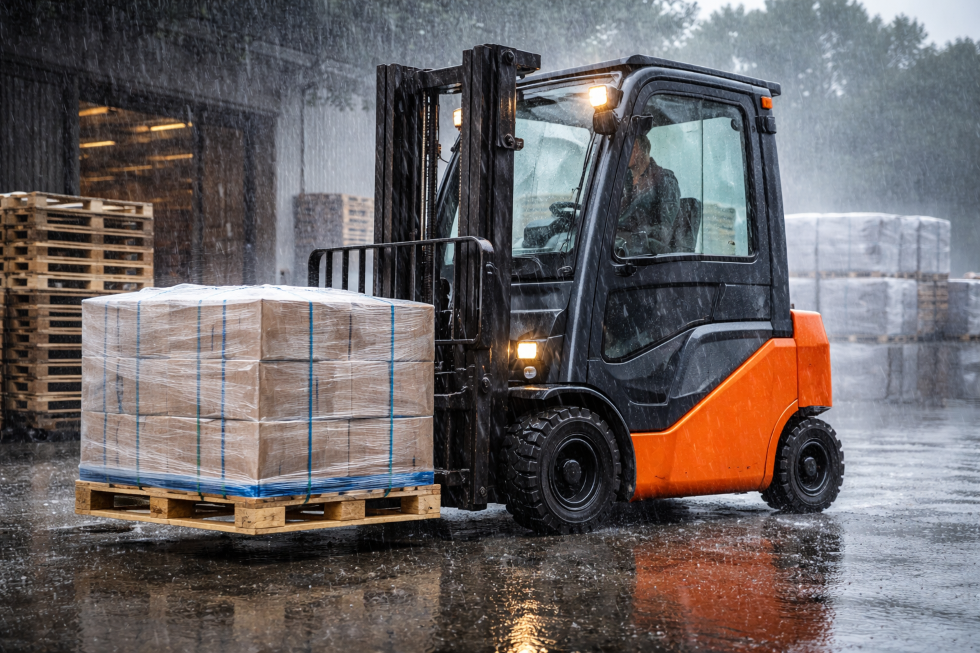
The short answer is yes, but only under the right conditions. Electric forklifts are designed to handle some exposure to moisture, but they are not fully waterproof. Using them safely in wet weather comes down to understanding their limits, following proper procedures, and choosing the right equipment for the job. Quick Answer: Are Electric Forklifts Safe in Wet Conditions? Electric forklifts can operate in light rain and damp environments, especially if they are designed for outdoor use. However, they should not be used in heavy rain, standing water, or flood-like conditions. The key factor is the forklift’s IP rating, which determines how well its electrical components are protected against water and dust. What Is an IP Rating and Why It Matters IP stands for Ingress Protection. It is a standard that shows how well electrical components are sealed against solids like dust and liquids like water. An IP rating is usually shown as two numbers, for example IP54 or IP65. For forklifts, this rating applies to critical components such as controllers, wiring, connectors, and displays. Common IP Ratings in Electric Forklifts Most electric forklifts fall within the IP54 to IP65 range. This means they can handle light rain or splashes, but they are not designed to be submerged or exposed to heavy, continuous water. How Electric Forklifts Are Designed for Outdoor Use Not all electric forklifts are the same. Some are built purely for indoor warehouse use, while others are designed to operate outdoors. Outdoor-rated electric forklifts typically include: It is important to understand that “weather-resistant” does not mean waterproof. Even outdoor models have limits when it comes to heavy rain or water exposure. What Happens If an Electric Forklift Gets Wet? A small amount of rain exposure is usually not an issue for a well-maintained forklift. Problems start when water reaches sensitive components. Moisture can: Short-term exposure might not cause immediate failure, but repeated use in wet conditions without proper care can shorten the lifespan of the machine. Key Risks of Using Electric Forklifts in the Rain Electric forklifts rely on complex wiring and control systems. If water penetrates these systems, it can lead to faults, short circuits, or complete failure. Wet surfaces significantly reduce grip. This affects acceleration, braking, and steering. Slippery conditions increase the risk of skidding, especially when carrying loads. Rain can limit visibility for operators, particularly in open forklifts without cabins. Combined with wet surfaces, this increases the chance of collisions or load instability. Water and batteries are not a good combination. Charging a wet forklift or exposing battery connections to moisture can lead to damage or safety hazards. When Is It Safe to Use Electric Forklifts in the Rain? Electric forklifts can be used safely in: They should be avoided in: The surface plays a big role. Smooth, sealed concrete is far safer than gravel, dirt, or sloped ground when wet. Safety Tips for Operating Electric Forklifts in Wet Weather If you need to operate in wet conditions, small adjustments can make a big difference. Electric vs Diesel vs LPG Forklifts in the Rain Each forklift type performs differently in wet conditions. Electric forklifts are quieter, cleaner, and more efficient, but they require more care around water. Diesel and LPG forklifts are generally more suited to harsh outdoor environments. They are less sensitive to moisture and often provide better traction on rough or wet ground. That said, electric forklifts can still be a strong option outdoors if conditions are controlled and the right model is used. Maintenance Tips After Using an Electric Forklift in the Rain After operating in wet conditions, a bit of maintenance goes a long way. When You Should Avoid Using an Electric Forklift in the Rain There are times when it is simply not worth the risk. Avoid using electric forklifts in: If safety is compromised, it is always better to delay the job or use a more suitable machine. Need Help Choosing the Right Forklift? If you are not sure whether an electric forklift is right for your site, getting the right advice can save you time and money. Heavy Lift Forklifts offer forklift hire and forklift sales across Melbourne and Victoria, with a full range of electric, diesel, and LPG options. We also provide servicing, parts, battery replacement, and battery reconditioning. If you need help choosing the right machine for indoor or outdoor use, or want to book a free battery inspection, call (03) 9762 4965 and speak with our team today. Heavy Lift Forklifts Forklifts For Hire >> | Forklifts For Sale >> Our showroom: 826 Mountain Hwy, Bayswater VIC Call us on: (03) 9762 4965
Which Forklift Is The Cheapest to Run? Electricity vs LPG vs Diesel
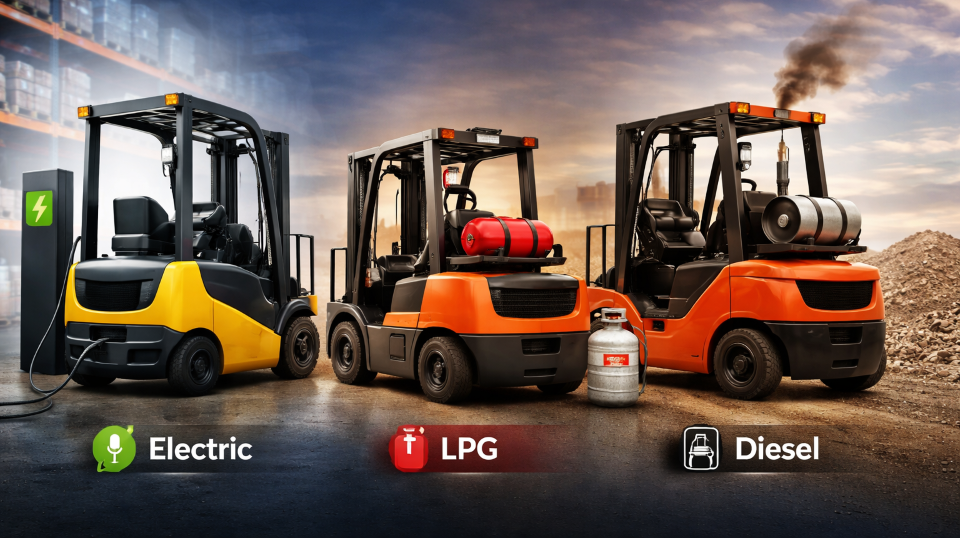
If you’re trying to work out which forklift is cheapest to run, the answer usually comes down to one thing: energy cost per hour. Whether it’s electricity, LPG gas, or diesel fuel, the difference in running costs can add up quickly across daily use, especially in busy operations. With fuel prices in Australia continuing to fluctuate and supply tightening at times, LPG and diesel costs can be unpredictable and often trend upward. That makes understanding your day-to-day operating cost more important than ever. At the same time, electricity pricing has become more stable in comparison, which is why many businesses are reassessing how they power their equipment. In most cases, electric forklifts are the cheapest to operate, but that doesn’t mean they’re always the right choice. LPG and diesel forklifts can still make sense depending on how and where you use them. Two forklifts that seem similar on paper can have massively different long-term costs. Read The True Cost of Owning a Forklift Over 5 Years… How Much Electricity Does a Forklift Use Per Hour? Electric forklifts are known for being efficient, but the exact electricity usage depends on the size of the machine, how it’s used, and the workload it handles. Average Electricity Usage (kWh per Hour) Most electric forklifts use 8 to 12 kWh per hour under normal working conditions. Larger forklifts or heavy-duty applications can push this higher, while lighter warehouse use may sit closer to the lower end. Real Cost Per Hour (Electric Forklift) To work out the actual running cost, you simply multiply energy usage by your electricity rate. Example: 10 kWh × $0.28 per kWh = $2.80 per hour Electricity Cost Breakdown Usage (kWh/hour) Electricity Rate Cost Per Hour 8 kWh $0.25 $2.00 10 kWh $0.28 $2.80 12 kWh $0.30 $3.60 What Affects Electricity Usage? Electric forklift energy consumption isn’t fixed. It changes based on how the machine is used: Example: For an 8-hour shift: $2.80/hour × 8 hours = $22.40 per day Over time, this is where electric forklifts stand out. Even small savings per hour add up quickly across weeks, months, and years of operation. Forklift LPG Gas Consumption Per Hour LPG forklifts are popular for their flexibility and fast refuelling, and when calculated correctly, their running cost sits in the mid-range compared to electric and diesel. How Much Gas Does a Forklift Use Per Hour? A standard 15kg LPG forklift cylinder typically lasts between 6 and 10 hours of continuous operation. This equates to 1.5 to 2.5 kg of gas per hour. Lower consumption usually occurs during light warehouse use, while heavier loads and continuous lifting increase gas usage. Current LPG Cylinder Pricing LPG forklift cylinder refills (15kg) typically cost $60 to $110 per cylinder. ~$62.70 (lower-end exchange pricing) ~$80 (average supplier rate) Prices vary depending on supplier, delivery frequency, and exchange agreements. Real Cost Per Hour (LPG Forklift) To calculate cost per hour: Cylinder cost ÷ runtime Example: $80 ÷ 8 hours = $10.00 per hour $62.70 ÷ 10 hours = $6.27 per hour $110 ÷ 6 hours = $18.30 per hour LPG Cost Breakdown Cylinder Cost Runtime Cost Per Hour $60 10 hours $6.00 $80 8 hours $10.00 $110 6 hours $18.30 👉 LPG forklifts cost between $6.00 and $18.00+ per hour to run. Per Shift Example: For an 8-hour shift: $10/hour × 8 hours = $80 per day What Affects LPG Gas Consumption? Gas usage varies significantly based on how the forklift is used: Diesel Forklift Fuel Consumption Per Hour Diesel forklifts are built for power and durability, especially in outdoor and heavy-duty environments. However, that performance comes with higher fuel consumption, which directly impacts running costs. How Much Diesel Does a Forklift Use Per Hour? Most diesel forklifts consume 2 to 5 litres per hour. Smaller forklifts working under light loads may sit closer to 2L/hour, while larger machines handling heavy lifting or rough terrain can reach 4 to 5L/hour or more. Real Cost Per Hour (Diesel Forklift) Using a current average diesel price of: Example: 3 litres × $3.22 = $9.66 per hour Diesel Cost Breakdown Fuel Usage (L/hour) Diesel Price Cost Per Hour 2L $3.22 $6.44 3L $3.22 $9.66 5L $3.22 $16.10 Per Shift Example: For an 8-hour shift: $9.66/hour × 8 hours = $77.28 per day This now puts diesel clearly at the highest running cost, often exceeding LPG depending on usage. Which Forklift Is Cheapest to Run? If you’re comparing forklifts purely on energy and fuel cost per hour, the answer is clear once you look at the real numbers: 👉 Electric forklifts are the cheapest to run Forklift Type Cost Per Hour Energy Source Electric $2.00 – $3.60 Electricity LPG $6.00 – $18.00+ Gas Diesel $6.50 – $16.00+ Diesel fuel Electric forklifts consistently deliver the lowest running cost, while LPG and diesel are heavily impacted by rising fuel prices. The best decision comes down to your usage, but if cost efficiency is your priority, the numbers clearly favour electric. If you’re ready to take the next step, call (03) 9762 4965 to discuss the right forklift for your business and start saving on running costs sooner. Heavy Lift Forklifts Forklifts For Hire >> | Forklifts For Sale >> Our showroom: 826 Mountain Hwy, Bayswater VIC Call us on: (03) 9762 4965
Charging Mistakes That Cause Premature Forklift Battery Failure
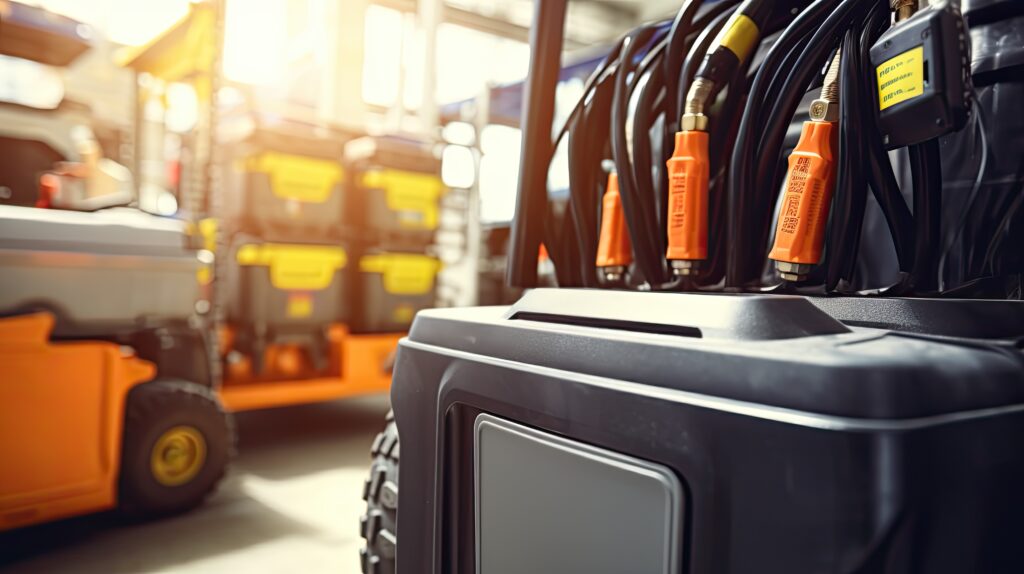
If your forklift batteries aren’t lasting as long as they should, charging habits are often the reason. Many businesses replace batteries far earlier than necessary simply because of avoidable mistakes during charging and daily use. The good news is that with the right approach, you can extend battery life, reduce downtime, and save thousands in replacement costs. In this guide, we’ll break down the most common forklift battery charging mistakes, explain why they matter, and show you exactly how to fix them. Forklift batteries are a major investment. Whether you’re using lead-acid or lithium systems, poor charging practices can: For most operations, battery lifespan should sit between 4–6 years (lead-acid) or longer for lithium. If you’re falling short of that, charging habits are usually the first place to look. 1. Charging Too Often The mistake: Plugging in the forklift during short breaks instead of allowing a full charge cycle. Why it causes damage: Lead-acid batteries rely on full charge cycles. Frequent top-ups lead to sulfation, which reduces capacity and shortens lifespan. What to do instead: 2. Overcharging the Battery The mistake: Leaving the battery on charge too long or using incorrect charger settings. Why it causes damage: Overcharging leads to: What to do instead: 3. Not Completing a Full Charge Cycle The mistake: Disconnecting the battery before it reaches full charge. Why it causes damage: This leads to chronic undercharging, which causes sulfation and reduces runtime. What to do instead: 4. Charging While the Battery Is Too Hot The mistake: Charging immediately after heavy use when the battery is still hot. Why it causes damage: Heat accelerates internal wear and can permanently damage battery components. What to do instead: 5. Using the Wrong Charger The mistake: Using a charger that doesn’t match the battery specifications. What to do instead: Always match: 6. Ignoring Water Levels (Lead-Acid Batteries) The mistake: Letting electrolyte levels drop too low. Why it causes damage: Exposed plates suffer irreversible damage, drastically reducing battery life. What to do instead: 7. Charging in Poorly Ventilated Areas The mistake: Charging in confined or poorly ventilated spaces. Why it causes damage: What to do instead: 8. Letting the Battery Fully Discharge The mistake: Running the battery down to 0% before charging. Why it causes damage: Deep discharge causes: What to do instead: Recharge before it drops below 20%. 9. Skipping Equalisation Charges The mistake: Not performing equalisation charges on lead-acid batteries. Why it causes damage: Cells become unbalanced, reducing performance and lifespan. What to do instead: 10. Inconsistent Charging Habits Across Operators The mistake: Different operators follow different charging practices. Why it causes damage: What to do instead: How to Extend Your Forklift Battery Life If you want to get the most out of your forklift battery, stick to these fundamentals: These simple changes can significantly increase battery lifespan and reduce operational costs. Keep Your Forklifts Running Longer Poor charging habits can shorten battery life and increase costs. If your forklift battery isn’t performing as it should, it’s worth getting it checked before replacing it. At Heavy Lift Forklifts, we provide: Call (03) 9762 4965 to book your FREE battery inspection and get expert advice. Heavy Lift Forklifts Forklifts For Hire >> | Forklifts For Sale >> Our showroom: 826 Mountain Hwy, Bayswater VIC Call us on: (03) 9762 4965
How to Interpret Forklift Hour Meters and Why Hours Alone Can Mislead
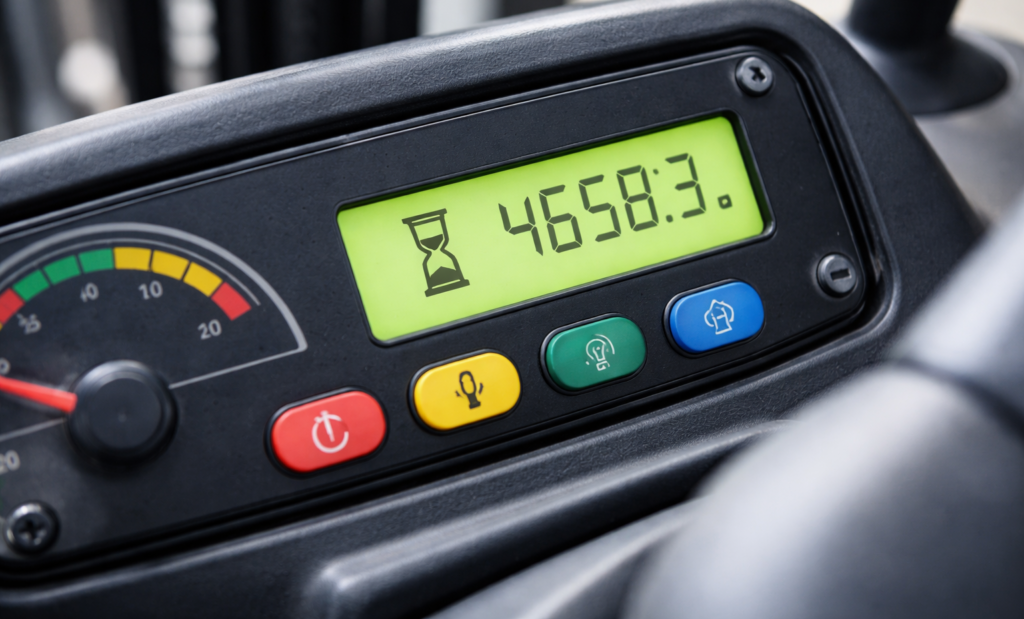
If you are buying, selling or considering forklift hire, one of the first questions you will hear is, “How many hours has it done?” Forklift hour meters matter, but they do not tell the full story. Relying on hours alone can lead to poor purchasing decisions, incorrect valuations and unexpected repair costs. At Heavy Lift Forklifts in Melbourne, we regularly inspect machines where the real condition does not match what the hour meter suggests. This guide explains how forklift hour meters work, why they can be misleading and what you should assess instead. What Is a Forklift Hour Meter? A forklift hour meter records the amount of time a machine has been operating. Unlike a car odometer, which measures distance travelled, a forklift measures operating time. However, not all forklifts record hours the same way. Key-On Hours Some machines record time whenever the key is turned on, even if the forklift is idling. That means warm-up time, waiting at loading docks and break periods with the engine running all count towards total hours. Engine-Running Hours Most LPG and diesel forklifts record time only while the engine is running. This is more accurate than key-on time, but it still does not reflect how hard the machine has been working. Traction or Work Hours Many modern electric forklifts separate key-on time from drive motor hours. Traction hours give a better picture of actual usage, particularly in busy warehouse environments. How Forklift Hour Meters Work Hour meters are typically integrated into the dashboard display. On newer electric models, such as those used in warehouse operations, the display may show multiple usage metrics including total hours, drive hours and lift cycles. On older LPG or diesel units, the hour meter is often a simple analogue or digital counter that increases whenever the engine runs. The key takeaway is that hours measure time, not workload intensity. Why Forklift Hours Alone Can Be Misleading 1. Light Use vs Heavy Use Two forklifts can both show 5,000 hours, yet be in completely different condition. A machine used for light pallet movement on smooth concrete will wear very differently compared to continuous heavy lifting near maximum rated capacity. High-load applications place more stress on the transmission, mast channels, lift chains and hydraulics. Hours do not capture this intensity. If you are comparing used machines for forklift sales in Melbourne, always consider the application the forklift was used for. 2. Operating Environment Makes a Big Difference A forklift operating indoors in a clean warehouse will typically experience less wear than one working outdoors in: Dust, moisture and uneven terrain accelerate wear on bearings, steering components, cooling systems and electrics. 3. Maintenance History Matters More Than Hours A properly serviced forklift with 8,000 hours can be far more reliable than a poorly maintained machine with 3,000 hours. Always check: When assessing used units at Heavy Lift Forklifts, we prioritise mechanical inspection and service history over the raw hour figure. If you are considering a unit, speak to our team to review available models and service backgrounds. 4. Electric vs LPG vs Diesel Hours Are Not Equal Electric forklifts generally: This means higher hour counts can still represent solid value if the battery has been maintained correctly. LPG and diesel forklifts: Therefore, 6,000 hours on an electric forklift is not directly comparable to 6,000 hours on a diesel unit. If you are unsure which fuel type suits your operation, review our forklift hire options for flexible short and long term solutions, and contact our team for an expert opinion. What Is Considered High Hours on a Forklift? There is no universal rule, but as a general guide: However, many well-maintained forklifts operate reliably beyond 15,000 hours. Proper servicing and application suitability matter more than the number itself. What to Inspect Beyond the Hour Meter When evaluating a forklift, inspect: Mast and Carriage Hydraulics Transmission Steering and Axles Battery Condition (Electric) If you are unsure what to look for, our mobile technicians can assist with forklift servicing and maintenance in Melbourne and Victoria. When to Compare Based on Hours Hour meters are still valuable when used correctly. They help: In fleet management, hours are an important metric, but they should always be interpreted alongside condition and service records. At Heavy Lift Forklifts, we assess the complete picture before recommending a machine. Whether you are exploring forklift hire in Melbourne, purchasing a used unit or organising servicing, our team can guide you through a proper evaluation process. Contact us today to discuss your requirements and ensure you choose equipment based on condition and suitability, not just the hour meter reading. Heavy Lift Forklifts Our showroom: 826 Mountain Hwy, Bayswater VIC Call us on: (03) 9762 4965