When planning a warehouse layout, figures like racking height and aisle width look straightforward on paper. A 3.5 metre rack with 2.8 metre aisles can appear efficient and practical. In reality, those dimensions influence far more than storage capacity. They affect compliance, equipment choice, safety margins and day to day productivity. Before locking in a layout, it is worth understanding what these numbers really mean in practice.
Why 3.5 m Racking Height Is More Than Just a Number
A 3.5 metre rack sounds modest, but the usable height is rarely the same as the steel height.
The first consideration is overhead clearance. Sprinklers, lighting, ducting and structural beams all reduce the true working space. Fire regulations require clearance between stored goods and sprinkler heads, which can reduce your effective storage height by a few hundred millimetres. That difference matters.
Load height is another factor. Pallets are rarely perfectly uniform. Stretch wrap bulges, cartons shift and product overhangs. If beam levels are set too tightly, forklift operators have little room to manoeuvre, increasing the risk of damage to stock and racking. A small allowance in vertical clearance can make daily operations much smoother.
Lift capability must also be checked. Not every forklift can safely handle its rated load at full height. Residual capacity reduces as lift height increases. If this is overlooked, you can end up with equipment that struggles at the top beam level.
Finally, rack height ties directly into engineering and compliance requirements. Load calculations, anchoring and structural integrity must meet Australian standards. Even at 3.5 metres, proper design and certification are essential.
Are 2.8 Metre Aisles Wide Enough in Practice?
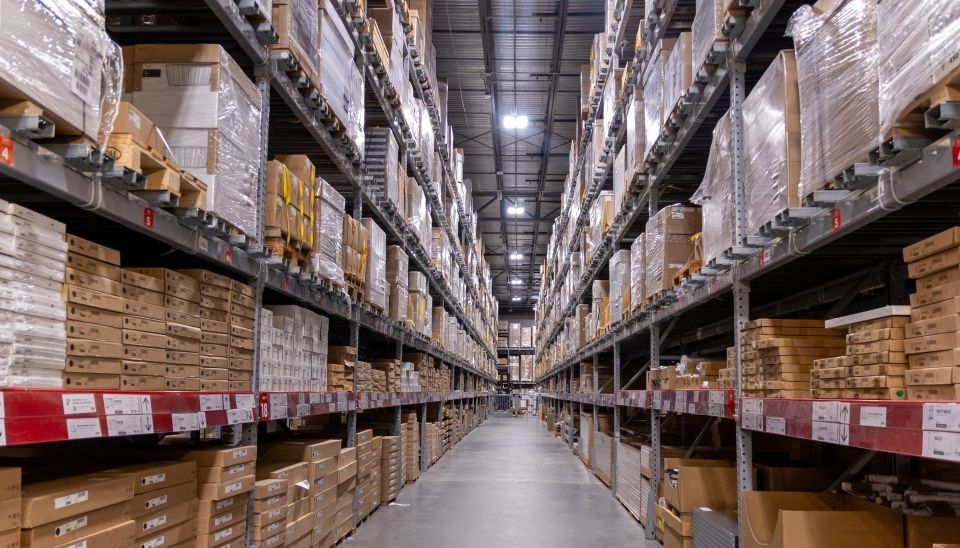
A 2.8 metre aisle looks efficient on a drawing. In operation, it can feel very different.
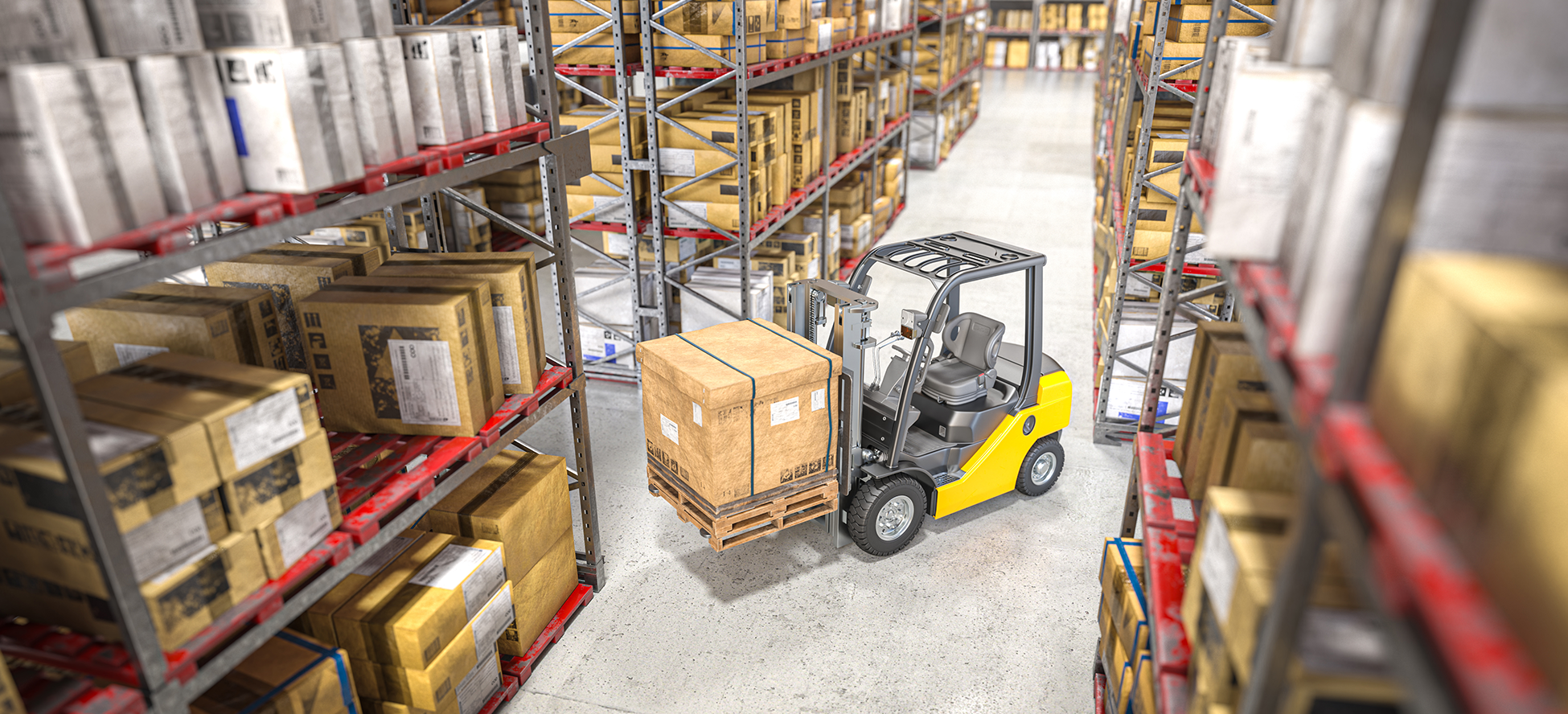
The starting point is your forklift. Standard counterbalance forklifts often require more space than expected to complete a right angle stack, particularly with common Australian pallet sizes. Reach trucks are generally better suited to narrower aisles, but the exact operating width must be confirmed against manufacturer specifications.
Driver movement also needs to be considered. Operators require space to adjust alignment and compensate for minor pallet inconsistencies. In tighter aisles, small misjudgements can lead to frequent rack contact. Over time, that increases maintenance costs and safety risk.
Turning space at aisle ends is equally important. Even if the aisle itself works, limited cross aisle width can slow positioning and create congestion during busy periods. Two way travel is usually unrealistic at 2.8 metres, so traffic flow planning becomes critical.
Aisle width is not just about fitting between two racks. It is about whether the operation can move consistently and safely every day.
Also Read: Parts of a Forklift and Their Function
Your Pallets and Loads Will Decide If This Works
Warehouse design often assumes clean, standard pallet dimensions. Reality is more variable.
Many Australian operations use CHEP pallets at roughly 1165 mm square, while others use 1200 x 1000 pallets. Once loaded, wrapped and transported, the actual footprint often grows. Overhang, damaged pallets and inconsistent stacking all add up.
In narrow aisles and tighter vertical clearances, those small differences matter. Minor overhang can lead to beam strikes. Slightly uneven loads can complicate placement at height.
There is also cumulative tolerance to consider. Forks are not always perfectly level. Beams deflect under load. Floors are not perfectly flat. Each factor might seem minor on its own, but together they can affect placement accuracy in tight layouts.
Designing around actual load behaviour rather than ideal dimensions is what keeps the system working smoothly.
Do Not Overlook the Floor and Structure
The slab and building structure are often the hidden constraints in warehouse design.
Forklifts and racking create concentrated point loads. If the slab was not designed for high density storage, issues such as cracking, anchoring limitations or long term settlement can arise. Anchor performance is particularly important in narrower aisles, where impact risk is higher.
Floor flatness and levelness also influence performance, especially with reach trucks. Minor unevenness can affect stability and fork levelling accuracy in tighter environments.
Building columns, roof trusses and bracing can further limit layout flexibility. These structural elements need to be factored into the plan early, not adjusted around later.
Compliance and Rack Design Is Not Just a Formality
Steel storage racking in Australia must comply with AS 4084. That means proper engineering design, documented load ratings and clear signage.
Load limits depend on upright capacity, beam configuration and how pallets are distributed.
Changing pallet weights or beam levels without review can push the system outside its design limits.
Protection is equally important. Narrower aisles increase the chance of impact, so upright protectors and end of aisle guards are essential. Regular inspections help identify damage before it becomes a structural issue.
Compliance is not simply paperwork. It ensures the system performs safely under real operational conditions.
Also Read: Forklift Tynes or Tines
How Operational Strategy Impacts Throughput
A layout only works if it supports how the warehouse actually runs.
Storage type influences traffic and access. Single deep selective racking offers flexibility but requires disciplined movement in tighter aisles. Higher density systems increase storage capacity but can slow access and change forklift behaviour.
Traffic planning becomes critical in 2.8 metre aisles. One way systems, defined staging areas and sensible slotting strategies reduce congestion. High frequency SKUs should not create pressure points in narrow sections.
Safety and productivity are closely linked. Clear pedestrian separation, well positioned charging areas and adequate turning space all contribute to smoother flow.
Conclusion
A 3.5 metre rack with 2.8 metre aisles can be a workable and efficient solution, but only when the equipment, loads, building structure and operational strategy are aligned.
The key is not whether the racks fit inside the building. It is whether the warehouse can operate safely and consistently within those dimensions. Validating forklift requirements, confirming true pallet sizes, reviewing slab capacity and ensuring compliance from the outset reduces costly adjustments later.
With careful planning, tight dimensions can perform well. Without it, they quickly become operational friction.
Heavy Lift Forklifts
Our showroom: 826 Mountain Hwy, Bayswater VIC
Call us on: (03) 9762 4965