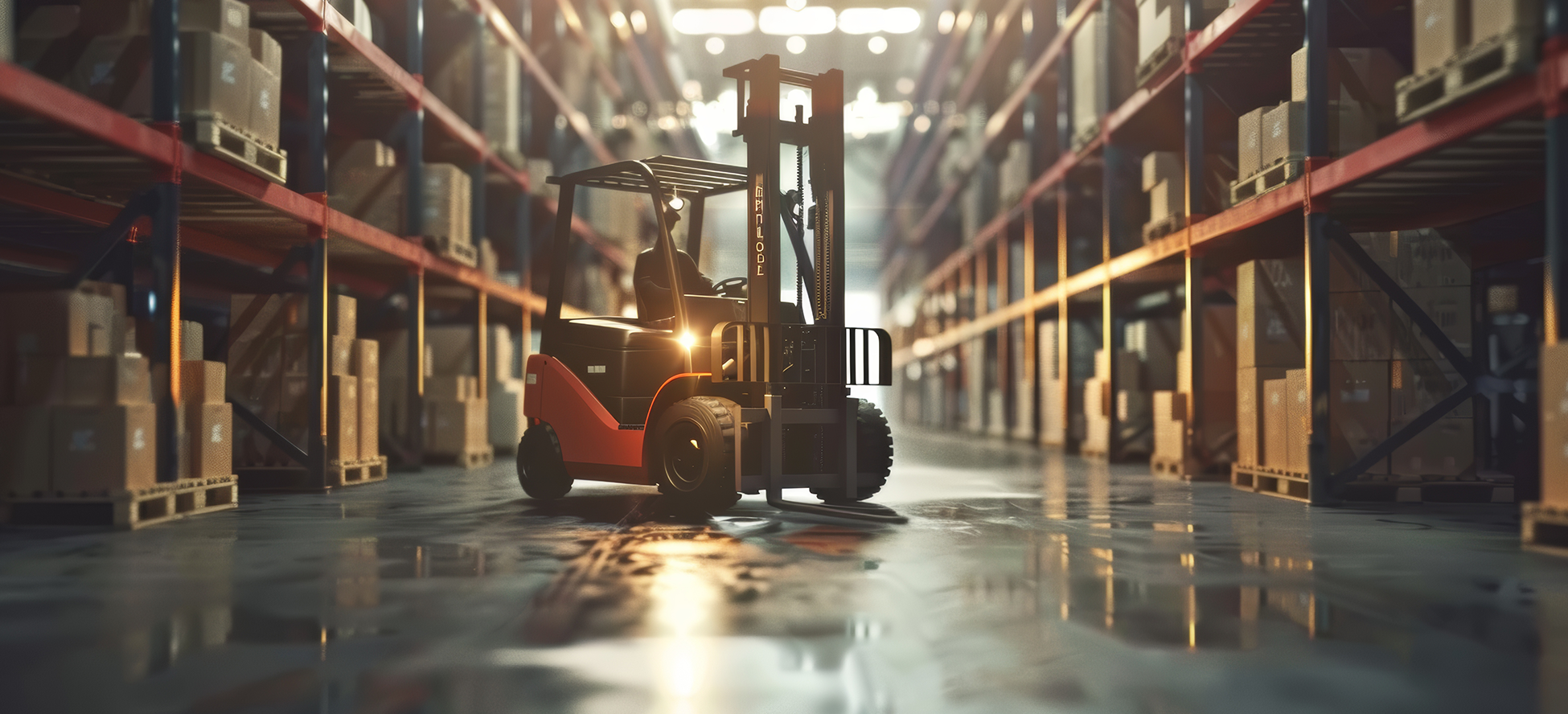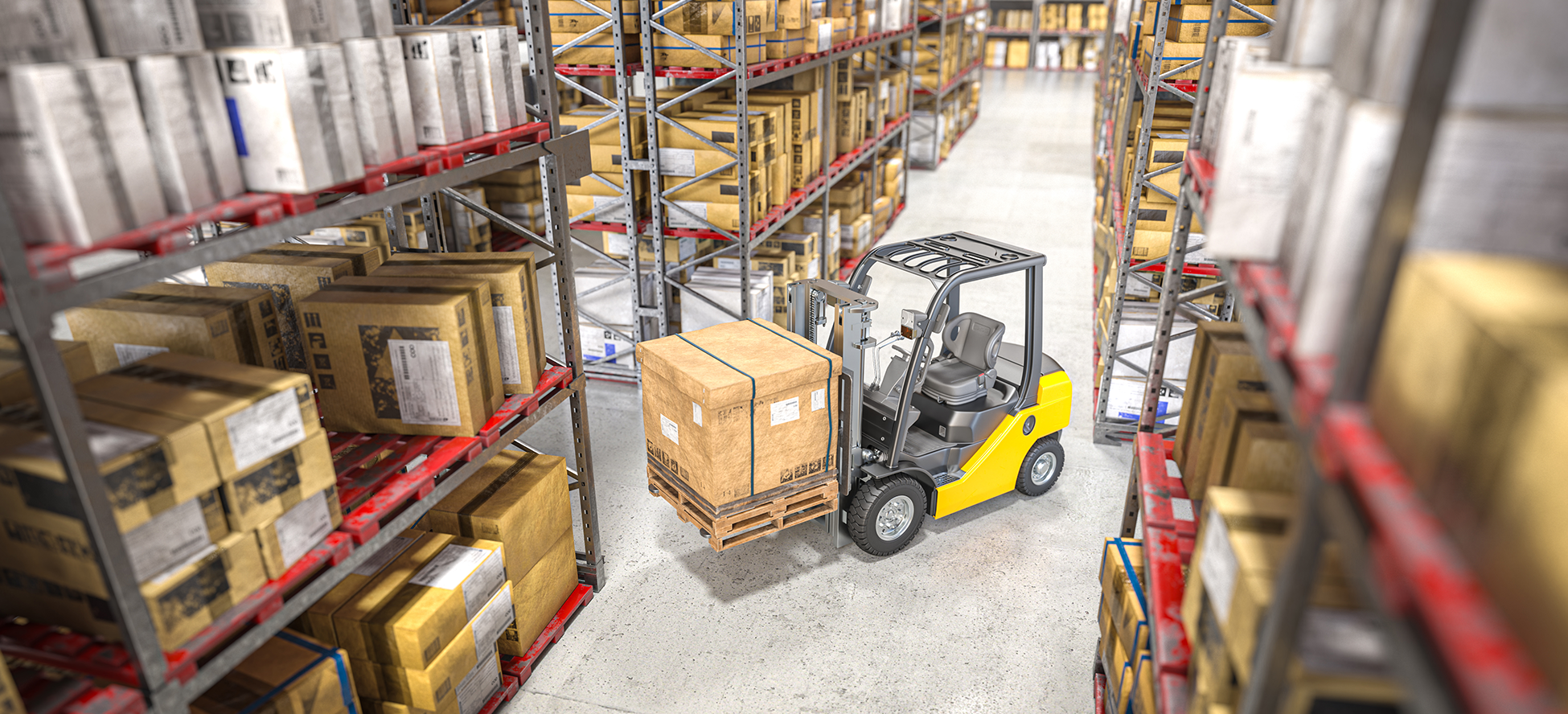
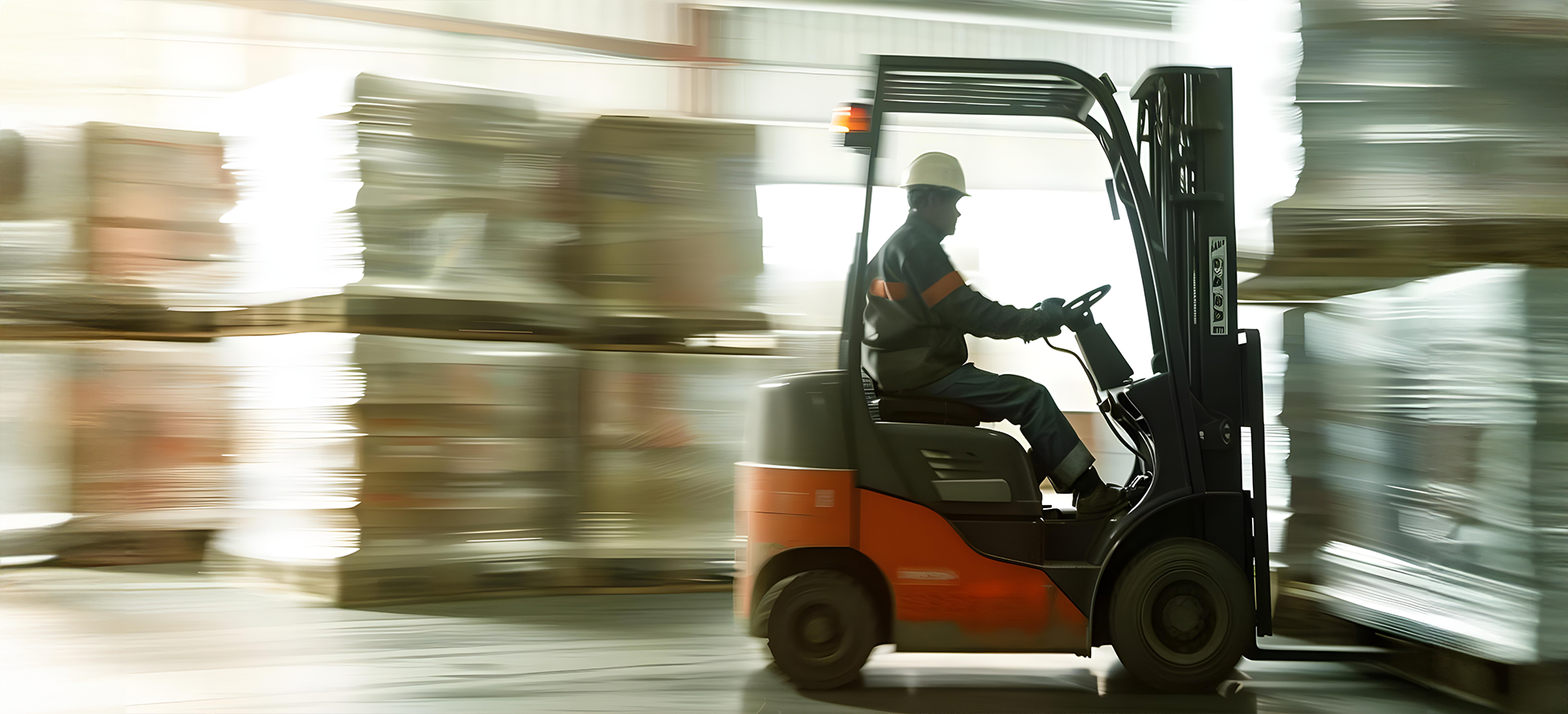
Manufacturing environments push equipment harder than most other settings, constant movement, heavy loads, and production lines that can’t afford to stop.
Choosing forklifts for manufacturing based on actual production cycles, load characteristics, and facility layout, rather than just whatever’s available, improves efficiency, safety, and long-term running costs.
Why Choosing the Right Forklift Matters in Manufacturing
Keeping Production Lines Moving
Efficiency of a production line depends on how smooth material flow is. An appropriate forklift allows the movement of parts, assemblies, and products without stoppages, which eliminates the need for any stoppage of the line due to material handling processes.
Reduction of Downtime and Operating Expenses
A forklift that is appropriately designed will not require much maintenance and will not break down frequently. Misfit equipment that is used beyond its capabilities wears out quickly and incurs high maintenance costs, which would have been saved by using more fit equipment.
Improving Workplace Safety
Stable load handling and equipment that matches the actual weights and dimensions being moved reduces risk on the floor considerably. It also plays a direct role in staying compliant with workplace safety requirements that apply across manufacturing sites.
What Manufacturing Businesses Should Consider Before Choosing a Forklift
Load Weight, Dimensions & Forklift Load Centre
Getting the forklift load centre right is one of the most overlooked parts of choosing equipment. A forklift’s rated capacity assumes a specific load centre, usually 500mm from the front of the forks, and a longer or off-centre load reduces how much weight the machine can actually lift safely. Getting the forklift load centre wrong is a common reason businesses end up with equipment that looks capable on paper but underperforms on the floor.
Production Cycles & Operating Hours
Single shift, double shift, and continuous manufacturing all place very different demands on a forklift. A machine running three shifts a day needs to handle considerably more wear than one used for a few hours each morning, and that difference should genuinely shape the equipment choice.
Warehouse Layout & Material Flow
Aisle widths, storage systems, and the distances material actually travels across the facility all affect which forklift type makes sense. A layout with narrow aisles and dense storage calls for very different equipment than an open floor with wide, unobstructed paths.
Indoor vs Outdoor Operations
Facilities that only operate indoors have very different needs to ones moving materials between indoor production areas and outdoor storage or loading sones. That distinction affects everything from power source to tyre type.
Also Read: Forklift for Unloading Containers
Matching the Right Forklift to Different Manufacturing Applications
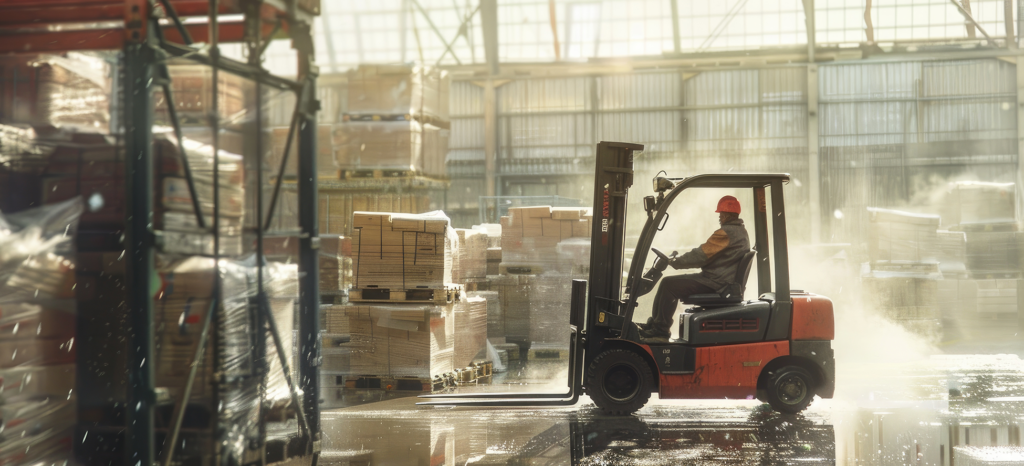
Factory Forklifts for General Manufacturing
Factory forklifts cover the everyday material handling most manufacturing sites rely on, moving components, finished goods, and general stock around the floor. For general-purpose forklifts for factories, a standard counterbalance unit usually covers the bulk of daily tasks without needing anything specialised. Most forklifts for factories running general operations don’t need more than that to keep up with day-to-day demand.
Electric Forklifts for Indoor Production
Electric forklifts suit indoor production environments particularly well, running clean, with low emissions and considerably less noise than combustion alternatives. This makes them a strong fit for warehouses and food manufacturing facilities, where air quality and noise levels matter as much as lifting capability.
LPG Forklifts for Mixed Applications
LPG forklifts offer genuine indoor-outdoor flexibility, handling continuous operation across a shift without the recharge downtime electric units need. Fast refuelling, just a bottle swap, keeps these units moving during busy, uninterrupted production periods.
Heavy Duty Forklifts for Heavy Manufacturing
Facilities working with steel, heavy machinery, engineering components, or construction materials need genuine heavy-duty capability. Forklifts for heavy manufacturing applications like these require higher load capacities and sturdier builds than standard equipment, built specifically for the weight and bulk these industries handle daily.
Electric vs LPG Forklifts: Which Is Better for Manufacturing?
Running Costs
Electric forklifts tend to be more economical per hour because of lower costs of electricity than LPG and low maintenance requirements of electric motors.
Productivity and Duration of Work
Continuous operations with multiple shifts Favor the use of LPG because of quick refuelling compared to the recharging process of batteries of electric forklifts.
Maintenance Needs
Less maintenance is required by electric forklifts because there are less moving parts of an electric motor than in case of an LPG forklift.
Choosing the Best Option
The right choice comes down to how the forklift is actually used. Single-shift, indoor-focused operations often suit electric well, while continuous, mixed-use facilities frequently lean toward LPG for its refuelling speed and flexibility.
How Heavy Lift Forklifts Helps Manufacturers Choose the Right Equipment
Rather than simply recommending whatever’s in stock, Heavy Lift Forklifts takes a consultative approach with manufacturing businesses, starting with a proper site assessment before any equipment recommendation is made. That process looks at production cycles, load requirements, and facility layout to recommend the best forklifts for manufacturing your specific operation actually needs. From there, support covers new and used forklifts, flexible hire solutions, preventive servicing to reduce downtime, and ongoing support well beyond the initial purchase or hire.
Also Read: Are Electric Forklifts Worth It?
Frequently Asked Questions
The forklift load centre is the standard distance that is normally 500 mm from the front face of the forks to the centre of gravity of the load. The forklift rated lifting capacity is calculated using this distance, and loading that is further than this will decrease the weight capacity of the forklift.
It depends on the purpose for which the truck is needed. Electric trucks are suitable for indoor, single-shift production applications, LPG trucks are good for mixed use indoor and outdoor and continuous operations while heavy-duty trucks are recommended for facilities handling steel, machinery, or building materials.
Yes, especially for indoors manufacturing facilities where low emissions, noise, and clean operation is important, like food processing or enclosed warehouses/factories that manufacture products inside the factory. For forklifts used in indoor-only manufacturing operations, an electric model is the obvious first choice.
Heavy-duty trucks with high capacities and strong construction are recommended for heavy manufacturing applications which involve handling of steel and machinery and other heavy industrial loads.
It depends on your equipment requirements. Purchasing is recommended if you have consistent production requirements while leasing is recommended for seasonal demand and short-term projects.
Find the Right Forklift for Your Manufacturing Operation
Selecting the appropriate forklift involves making sure that the chosen equipment fits the cycle times, load capacities, and layout of your facility.
Contact us at Heavy Lift Forklifts for professional assistance suited for your facility’s needs, offering sales, rentals, and service options suited to where you are now and what lies ahead.