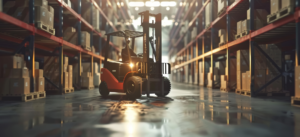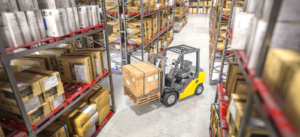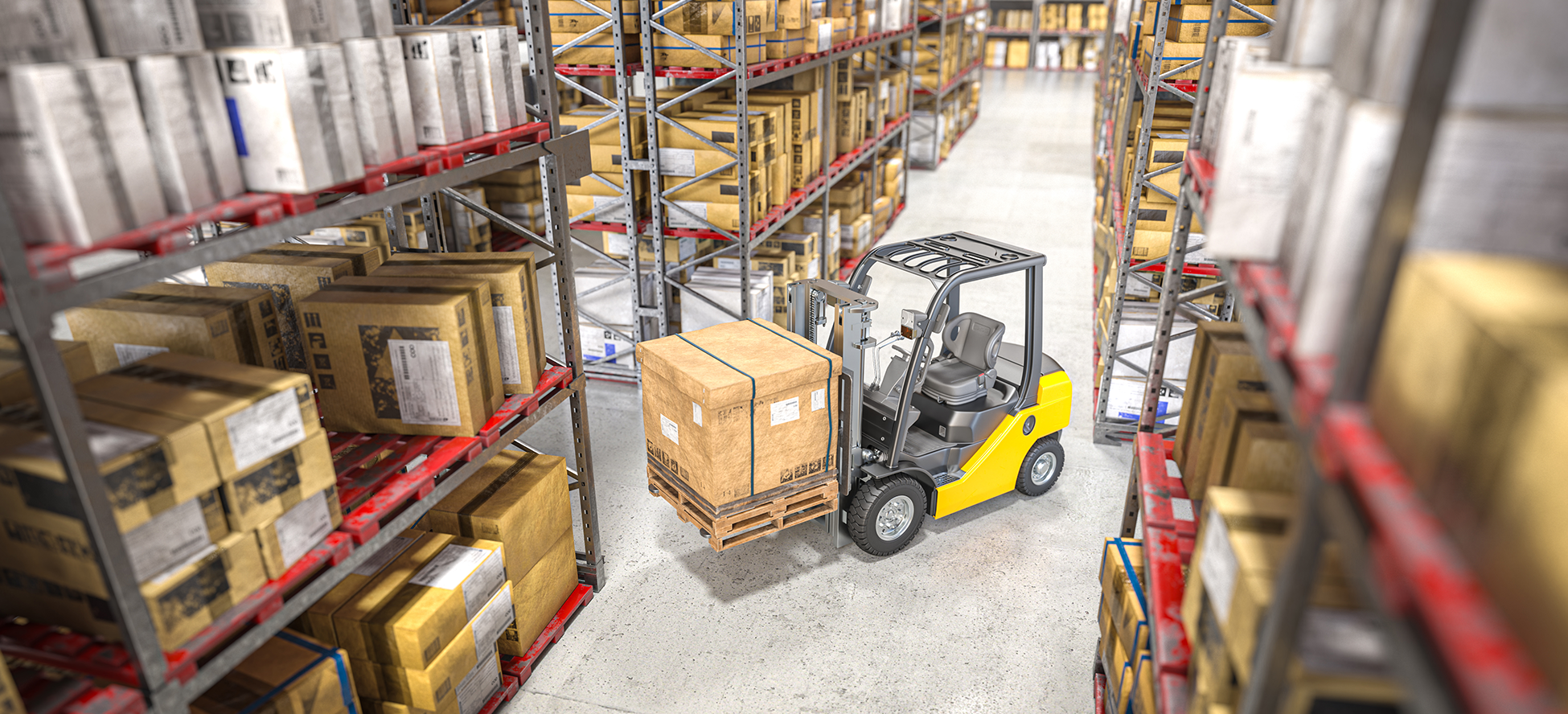
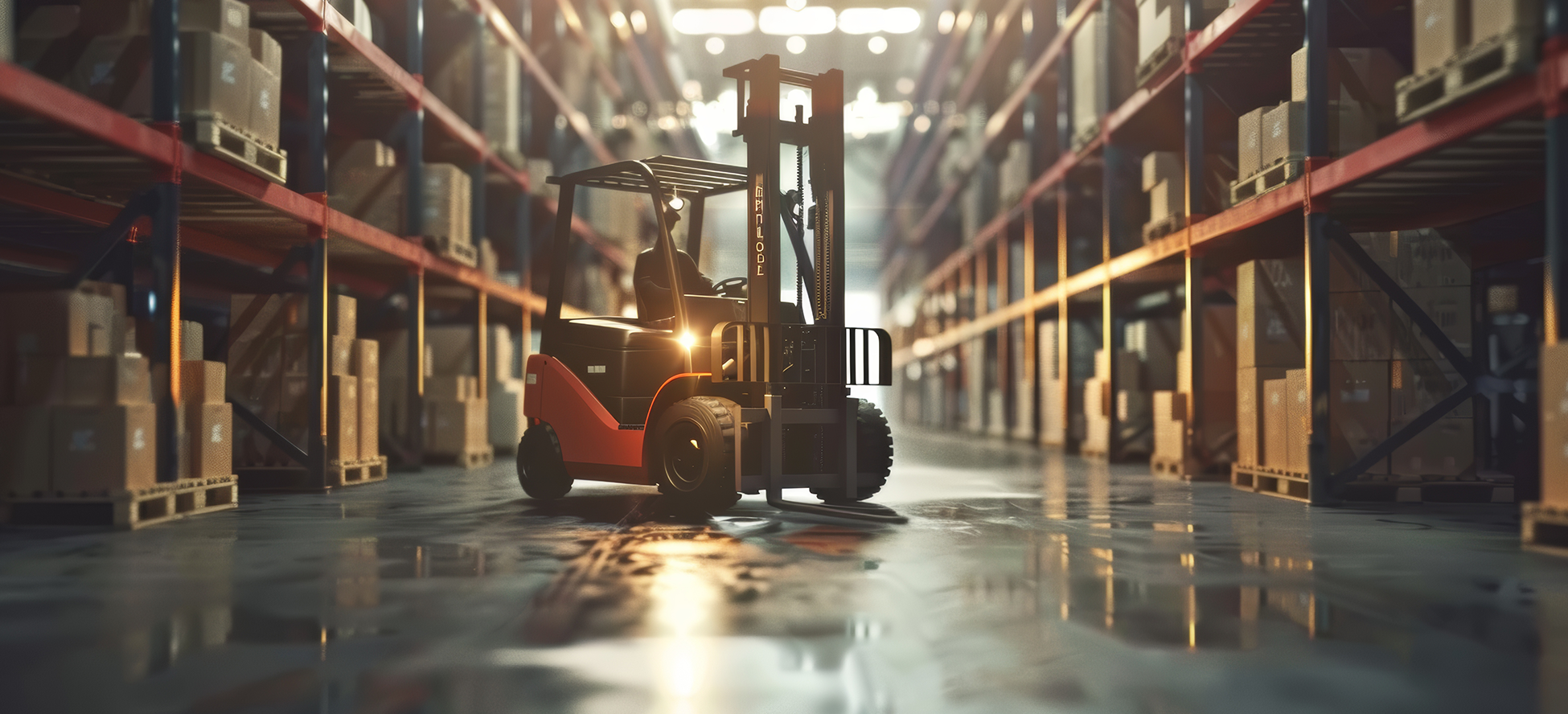
Forklifts sit at the heart of every warehouse operation, moving stock from receiving through storage and out to dispatch, shift after shift.
Choosing the right fleet, and backing it with genuine forklift fleet management, directly affects how a warehouse performs.
The right mix of equipment, properly maintained and matched to the work, improves productivity, reduces downtime, strengthens safety, and keeps operating costs from creeping up unnoticed.
The Role of a Forklift Fleet in Warehouse Performance
Supporting Efficient Material Handling
A forklift in warehouse operations does far more than lift and carry. It is what keeps inventory moving, receiving stock off incoming trucks, placing it into storage, then pulling it back out again for dispatch.
When the fleet is well matched to the job, that movement happens smoothly, without stockpiling up at any single point in the process.
Reducing Delays Across Daily Operations
A good fleet avoids the constraints that subtly hinder a warehouse’s efficiency. An ill-matched or inadequate fleet leaves workers waiting for machinery to become available or working around machinery that is not designed for the job.
A correct size and match ensure efficient operations throughout the day.
Improving Workplace Safety
The equipment chosen goes beyond its efficiency in terms of performance since it has direct implications for safety on the ground floor. Properly sized and equipped forklifts for the load size, aisle width, and height of racking will mitigate the daily risk involved in employees trying to use the wrong piece of equipment to do their work.
Properly sized forklift in warehouse environment, compared to a poorly sized or oversized forklift, is the easiest way to ensure fewer preventable accidents on the ground floor.
Selection of Appropriate Forklifts in Warehouses
The first step towards creating a proper forklift fleet lies in understanding the different types of forklifts in warehouses and how each machine supports specific operational requirements. Selecting the right equipment ensures better productivity, safety, and space utilisation across the warehouse.
Counterbalance Forklifts
The most popular kind of forklift in general warehouse settings, counterbalance forklifts perform daily loading and unloading jobs efficiently and without the need for special racking or aisles.
Reach Trucks
Built for narrow aisles and taller racking systems, reach trucks allow warehouses to store more stock vertically while still moving comfortably through tighter spaces than a standard counterbalance unit could manage.
Pallet Movers & Order Pickers
These units are built for fast paced picking and frequent inventory movement, managing smaller, more frequent tasks that would slow a larger forklift down considerably.
Electric vs LPG Forklifts
Electric forklifts suit indoor, enclosed warehouse environments well, running quietly with Zero emissions. LPG units offer more flexibility for warehouses that also need to move between indoor and outdoor areas, without the recharge downtime electric units require.
Also Read: Planning a Warehouse Move? Here’s How Renting a Forklift Can Save the Day
Why Forklift Fleet Management Matters
Effective Forklift fleet management is what turns a collection of individual machines into a coordinated fleet that performs as a system. By tracking utilisation, maintenance requirements, and operator activity, businesses can maximise productivity while reducing operating costs.
Monitoring Equipment Performance
Tracking how each forklift is used helps identify which units are working efficiently and which ones may be underperforming or overdue for attention. A proactive fleet management forklift strategy makes it easier to spot inefficiencies before they impact daily operations.
Scheduling Preventive Maintenance
Planned servicing, rather than reactive repairs, reduces unexpected breakdowns and the costly downtime that comes with them. A forklift serviced on a proper schedule is far less likely to fail mid shift than one running until something visibly goes wrong.
Managing Fleet Utilisation
Good fleet management makes sure each forklift is doing a fair, sustainable share of the work, rather than a handful of units being run into the ground while others sit underused.
Planning for Future Growth
As demand increases, a well-managed fleet gives a business clear visibility into whether it needs to add equipment, adjust its mix of forklift types, or simply use its existing fleet more effectively before expanding further.
How Forklift Fleet Management Solutions Improve Productivity
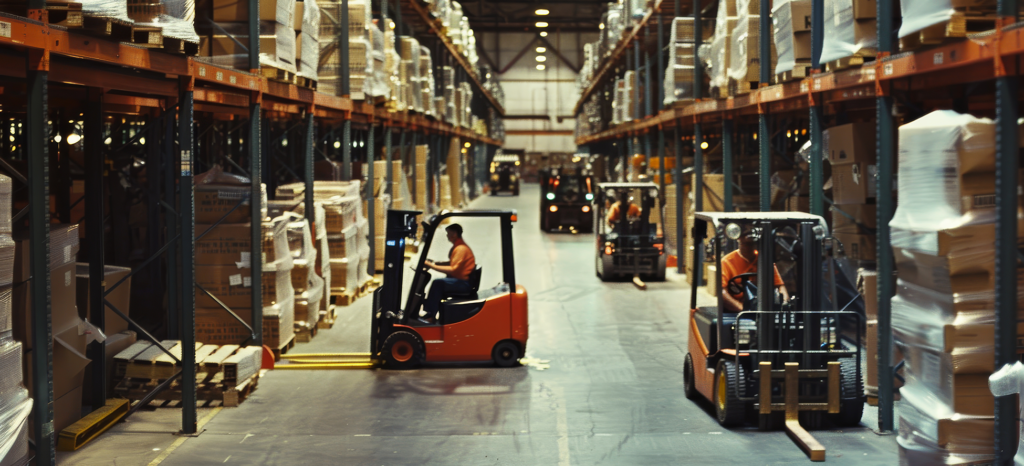
Modern forklift fleet management solutions and a properly implemented forklift fleet management system bring several genuine operational benefits, independent of any specific software platform. These tools help warehouses maintain visibility, optimise utilisation, and make better operational decisions.
Real-Time Fleet Visibility
Accurate location and utilisation of each forklift always allow the decision-making process to be more efficient and better informed.
Maintenance Scheduling & Reporting
Scheduled and reported maintenance automatically follows through instead of manually tracking something that can easily get neglected during hectic times.
Operator Accountability & Safety
Tracking operators and their actions during operations leads to a safer environment and the identification of the need for training in certain areas.
Data Driven Decision Making
Accurate information about usage, maintenance, and efficiency provides a much more solid ground for decision-making based on facts rather than pure gut feeling.
Signs It is Time to Upgrade Your Warehouse Forklift Fleet
Increasing Repair Costs
When repair bills start climbing steadily, that is often a sign a forklift is nearing the end of its cost-effective working life.
Frequent Equipment Downtime
Regular, recurring downtime on the same units points to equipment that is struggling to keep up with current demands, rather than an occasional bad stretch.
Changes in Warehouse Operations
A shift in how a warehouse operates, new racking, different stock types, changed picking patterns, can leave a previously well-matched fleet no longer fitting the job.
Expanding Storage Capacity
Growing storage capacity, particularly taller racking, or denser layouts, often calls for a different equipment mix than what originally suited a smaller operation.
Also Read: Which Forklift Is Best for Tight Warehouse Spaces?
Why Businesses Partner with Heavy Lift Forklifts
Heavy Lift Forklifts works with warehouses across Melbourne as a genuine partner in building and maintaining the right fleet, not just an equipment supplier.
That includes new and used forklifts for businesses ready to invest, flexible forklift hire for changing or short-term needs, ongoing fleet servicing to keep equipment reliable, preventive maintenance that reduces costly downtime before it happens, and expert advice on selecting the right mix of equipment for a warehouse’s actual operations.
The goal is a fleet that genuinely fits the work, not just whatever is available.
Frequently Asked Questions
Forklift fleet management is the ongoing process of monitoring, maintaining, and optimising a group of forklifts to keep them performing efficiently, safely, and cost effectively as a coordinated system rather than a collection of individual machines. A well-run fleet management forklift program covers utilisation tracking, maintenance planning, operator management, and performance reporting to improve overall warehouse efficiency.
Some of the common forklifts that are used in warehouses include counterbalance forklifts, reach trucks, and pallet movers/Order Pickers that are applicable for various kinds of tasks depending on the aisle width, rack height, and rate of picking activity required.
Most forklifts need to be serviced every 250-500 hours of operation although the duration may vary depending on fuel used and operation, considering that electric forklifts have more service time than diesel or LPG forklifts.