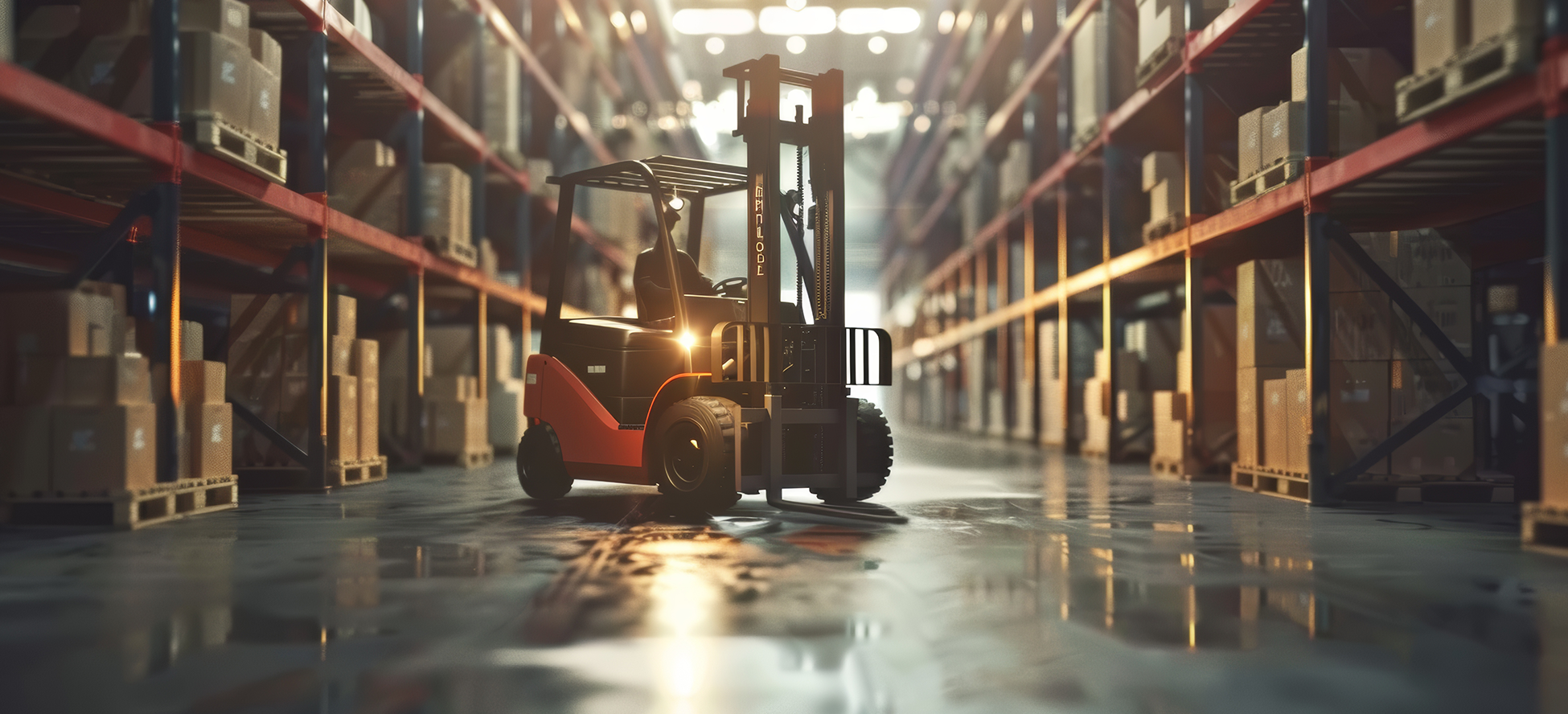
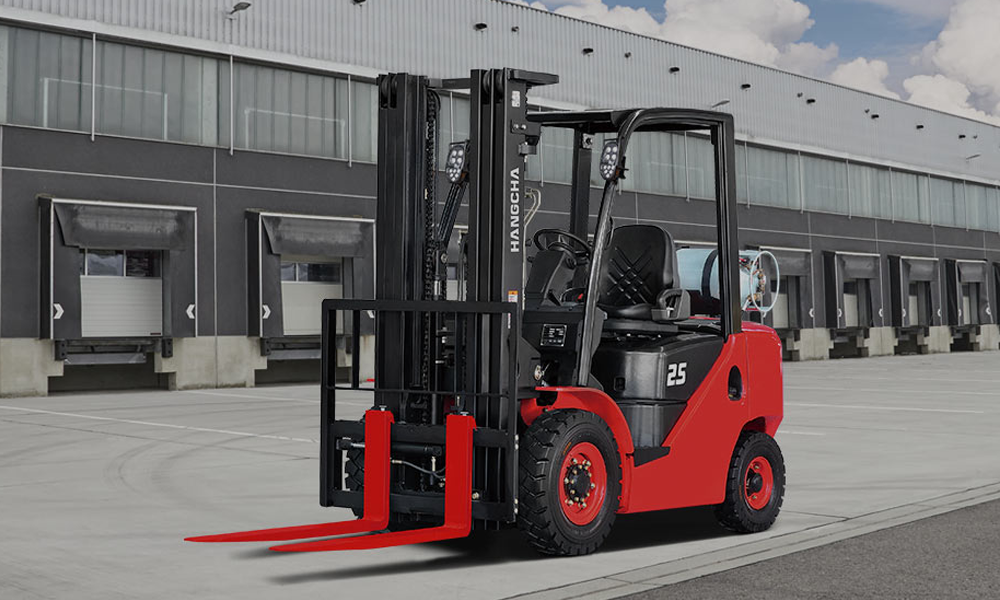
Forklifts do not conveniently fail. They do not fail when you are finishing your shift or when a load has been delivered to its destination. Most times, the machine will give in at a very crucial moment, causing delays and increasing the cost of repairs.
Maintaining your forklift through a proper servicing schedule ensures that such breakdowns do not occur in the first place and increase the lifespan of your machines.
In this article, we will look at how frequently a forklift should be serviced, the right intervals for servicing a forklift, daily inspection requirements, the cost of forklift servicing in Australia, and other aspects that affect your servicing schedule.
Heavy Lift Forklifts have been offering forklift servicing services on diesel, liquefied petroleum gas, and electric forklifts in Melbourne for over 17 years now.
How Often Should a Forklift Be Serviced?
Forklifts are supposed to undergo professional servicing every 250 to 500 hours of use, or six months whichever comes earlier. For diesel and LPG powered forklifts, the required servicing period is usually 250–300 hours of operation, while for electric forklifts this interval could extend up to 500 hours, yet no matter the frequency of forklift operation, it should always go through one professional servicing in a year.
The operating hours are more significant in determining the required intervals of servicing rather than calendar days since wear and tear depend on the frequency of forklift use.
In spite of all that, the above figures are just guidelines, and the best thing to do is to stick to the manufacturer’s recommended periods.
Forklift Service Intervals by Operating Hours
The easiest way to manage a forklift maintenance schedule is by tracking operating hours.
Forklift Service Intervals
| Operating Hours | Service Type | Key Tasks |
| Daily / Pre-Start | Operator Inspection | Safety checks, fluid checks, tyre inspection, brake tests, warning systems |
| 250 Hours | Minor Service | Lubrication, fluid checks, oil and filter changes, brake inspection, tyre assessment |
| 500 Hours | Full Service | Hydraulic filter replacement, steering checks, electrical inspection, mast inspection |
| 1,000 Hours | Deep Inspection | Hydraulic system review, chain stretch check, roller inspection, drive system assessment |
| 2,000 Hours / Annual | Major Service | Full fluid replacement, filter replacement, complete safety inspection, compliance records |
A few important considerations:
- Diesel and LPG forklifts generally require more frequent servicing due to engine-related maintenance.
- Electric forklifts have fewer moving parts but still require battery checks, electrical inspections, and load testing.
- Harsh operating conditions can shorten intervals significantly.
Operations involving outdoor yards, construction sites, dust, moisture, cold storage, or heavy daily usage may require servicing 20–30% more frequently than standard recommendations.
Also Read: Can Electric Forklifts Be Used in the Rain?
The Daily Forklift Service Checklist
A daily inspection is one of the most important parts of any forklift service checklist.
Operators should complete pre-start checks before each shift to identify faults before they become safety issues or expensive repairs.
Daily Checks Should Include:
Forks and Carriage
- Check for cracks or bends
- Inspect for excessive heel wear
- Confirm attachments are secure
Mast and Chains
- Look for damaged chains
- Check chain tension
- Ensure smooth lifting and lowering
Tyres
- Check tyre pressure
- Look for cuts, chunking, or excessive wear
- Inspect forklift tyres for uneven wear patterns
Hydraulic System
- Inspect hoses and fittings
- Check for leaks
- Monitor hydraulic fluid levels
Safety Equipment
- Test horn
- Check lights
- Verify reverse alarm operation
- Inspect seatbelt condition
Battery or Engine Components
For electric forklifts:
- Check battery charge levels
- Inspect cables and connections
- Review electrolyte levels where applicable
For LPG and diesel forklifts:
- Check fuel systems
- Inspect oil levels
- Check coolant levels
One rule is non-negotiable. If a fault affects brakes, steering, forks, chains, or hydraulics, the forklift should be removed from service immediately until repairs are completed.
Why Forklift Preventative Maintenance Pays for Itself
A planned maintenance program almost always costs less than reactive repairs.
A routine service may cost a few hundred dollars. An unexpected hydraulic failure, engine issue, or electrical breakdown can quickly run into thousands of dollars, especially when downtime and replacement equipment are factored in.
Effective forklift preventative maintenance delivers three major benefits:
Reduced Repair Costs
Small problems are identified before they become major failures.
Longer Equipment Life
Well-maintained forklifts commonly reach 10,000–15,000+ operating hours. Poorly maintained equipment may struggle to reach 6,000–8,000 hours.
Better Compliance
Maintenance records demonstrate that equipment has been properly maintained, helping support workplace safety obligations and asset value.
The difference between preventative maintenance and break-fix maintenance is simple. One gives you predictable costs. The other delivers expensive surprises.
Not Every Forklift Runs on the Same Schedule
The manufacturer’s maintenance schedule is only the starting point.
Several factors influence how frequently servicing should occur.
Shift Patterns
A forklift operating one shift per day may accumulate around 2,000 operating hours annually.
A machine running two shifts can double that usage and reach service intervals much sooner.
Fuel Type
Diesel and LPG forklifts generally require more frequent servicing than electric forklifts due to engine maintenance requirements.
Operating Environment
Melbourne businesses often operate in environments that place extra stress on equipment:
- Outdoor yards
- Construction sites
- Distribution centres
- Cold storage facilities
- High-dust environments
These conditions accelerate wear and often justify shorter service intervals.
Equipment Age
Older forklifts require closer monitoring.
Machines older than five years or with high operating hours benefit from more frequent inspections and annual battery or engine health assessments.
The key takeaway is simple: usage determines your real maintenance schedule, not the calendar alone.
What Does Forklift Maintenance Actually Cost?
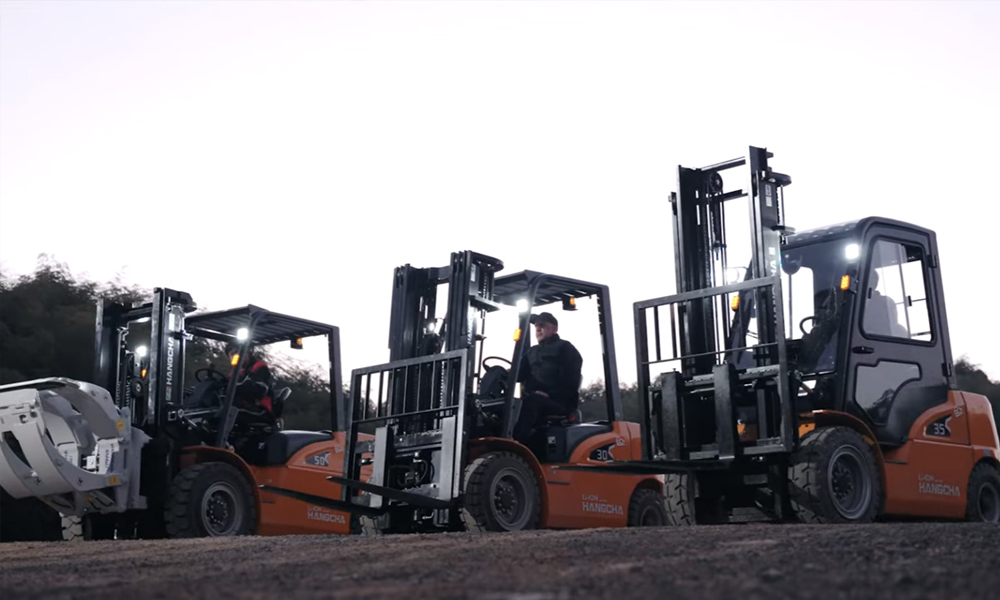
Forklift maintenance costs vary depending on the type of service required, the make and model of the machine, its operating hours and whether any repairs or replacement parts are needed.
Rather than relying on standard pricing, we recommend scheduling the appropriate service based on your forklift’s maintenance intervals. This helps prevent unexpected breakdowns, extends equipment life and keeps your fleet operating safely and efficiently.
Actual pricing varies based on:
- Forklift type
- Machine age
- Parts required
- Location
- Current condition
Many fleet managers also assess maintenance costs on an hourly basis.
For a healthy forklift, maintenance often averages around $1 per operating hour. When repair and servicing costs begin trending towards $4 or more per hour, it may indicate the forklift is approaching the end of its economic life and replacement should be considered.
Fixed-price maintenance agreements can also help make servicing costs more predictable across a fleet.
Also Read: How to Clean a Forklift
Australian WHS Requirements in Brief
Australian businesses have legal responsibilities when operating forklifts.
Under WHS regulations and plant safety requirements, employers should:
- Maintain forklifts according to manufacturer recommendations
- Complete daily pre-start inspections
- Ensure repairs are carried out by competent personnel
- Maintain servicing and repair records
- Remove unsafe equipment from service immediately
Service reports and maintenance records form an important part of compliance documentation and should be retained for future reference.
Businesses should also consult WorkSafe Victoria or their relevant state regulator for specific obligations and updates.
Forklift Servicing in Melbourne – Mobile & Workshop Support
Heavy Lift Forklifts provides servicing and repairs across Melbourne and Victoria for:
- Mixed-brand fleets
Our mobile service vans perform on-site maintenance to minimise disruption, while our fully equipped workshop handles major repairs, rebuilds, and diagnostics.
Whether your fleet includes Toyota, Mitsubishi, Hangcha, Crown, Hyster, or a combination of brands, servicing can be managed through a single provider.
Scheduled maintenance programs help businesses:
- Reduce downtime
- Maintain compliance records
- Control repair costs
- Extend equipment life
For urgent breakdowns, prompt repair support helps get operations moving again as quickly as possible.
FAQs
Most forklifts should be serviced every 250–500 operating hours or every six months, whichever comes first. Every forklift should also receive at least one professional service each year.
A minor service typically ranges from $150–$350, a full service from $300–$600, and an annual major service from approximately $800–$2,500 depending on the machine.
Operators should perform daily inspections and pre-start checks. Professional servicing and repairs should be completed by qualified technicians.
For many businesses, yes. Maintenance agreements provide predictable costs, priority servicing, reduced downtime, and automatic servicing records for compliance purposes.
Conclusion
Maintenance planning of any forklift begins with performing daily checks on your machinery, scheduling services based on usage hours, and considering maintenance as an investment and not a cost.
In fact, regular servicing costs you less than unexpected break-down costs, emergency repair bills, and equipment replacements.
To find out more about how you can get your forklift serviced by Heavy Lift Forklifts in Melbourne and Victoria, contact us today.