The short answer is yes, but only under the right conditions. Electric forklifts are designed to handle some exposure to moisture, but they are not fully waterproof. Using them safely in wet weather comes down to understanding their limits, following proper procedures, and choosing the right equipment for the job.
Quick Answer: Are Electric Forklifts Safe in Wet Conditions?
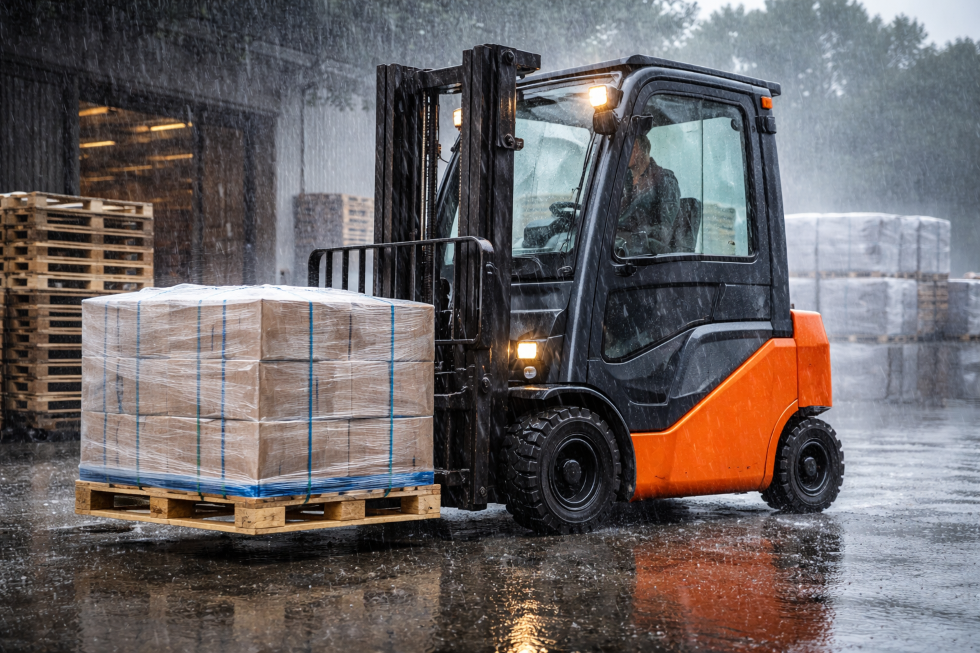
Electric forklifts can operate in light rain and damp environments, especially if they are designed for outdoor use. However, they should not be used in heavy rain, standing water, or flood-like conditions.
The key factor is the forklift’s IP rating, which determines how well its electrical components are protected against water and dust.
What Is an IP Rating and Why It Matters
IP stands for Ingress Protection. It is a standard that shows how well electrical components are sealed against solids like dust and liquids like water.
An IP rating is usually shown as two numbers, for example IP54 or IP65.
- The first number refers to protection against dust
- The second number refers to protection against water
For forklifts, this rating applies to critical components such as controllers, wiring, connectors, and displays.
Common IP Ratings in Electric Forklifts
- IP54: Protected against dust and light splashing water
- IP55: Protected against low-pressure water jets
- IP65: Protected against dust and stronger water jets
Most electric forklifts fall within the IP54 to IP65 range.
This means they can handle light rain or splashes, but they are not designed to be submerged or exposed to heavy, continuous water.

How Electric Forklifts Are Designed for Outdoor Use
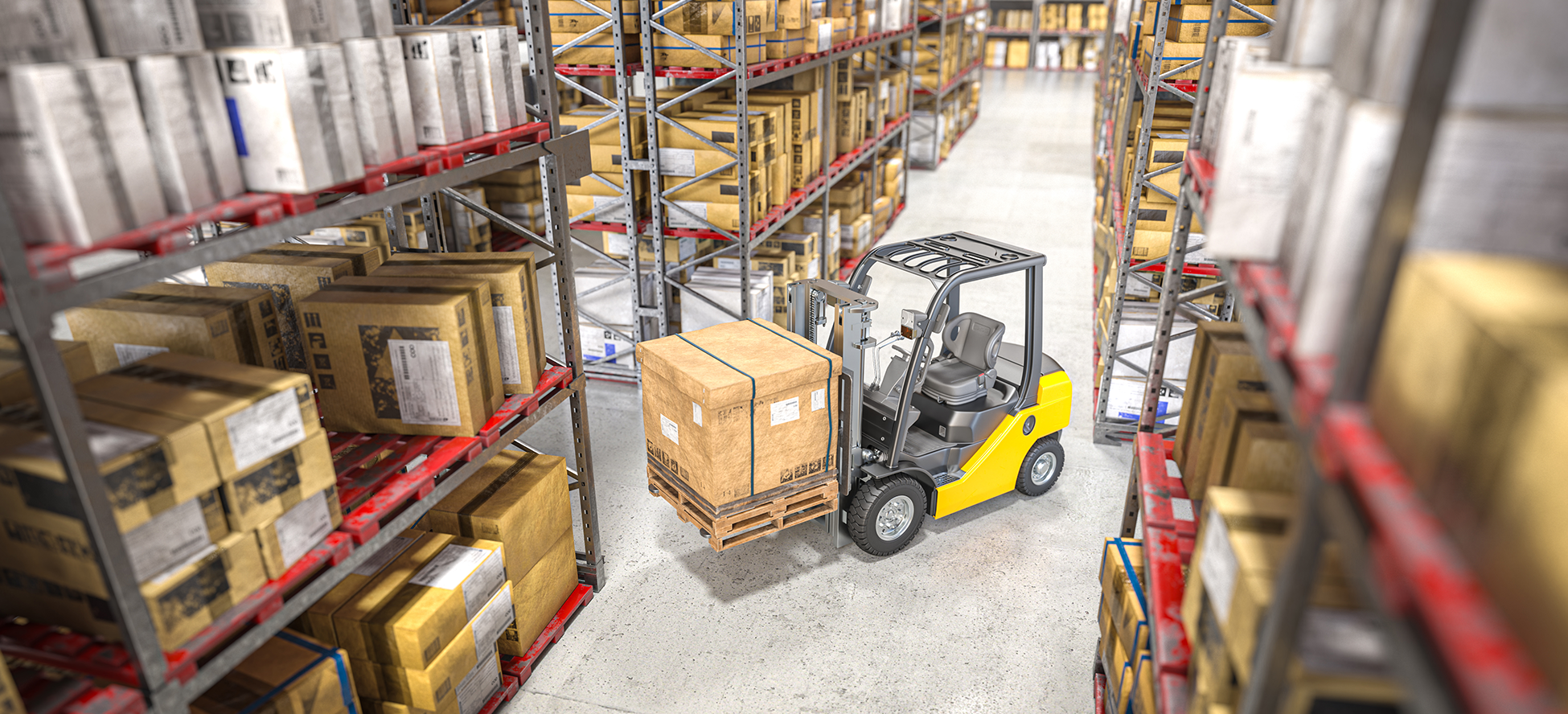
Not all electric forklifts are the same. Some are built purely for indoor warehouse use, while others are designed to operate outdoors.
Outdoor-rated electric forklifts typically include:
- Sealed electrical systems to reduce water ingress
- Protected battery compartments
- More robust tyres for uneven or wet surfaces
- Higher ground clearance
It is important to understand that “weather-resistant” does not mean waterproof. Even outdoor models have limits when it comes to heavy rain or water exposure.
Also Read: How to Find Top-Of-The-Line Electric Forklifts
What Happens If an Electric Forklift Gets Wet?
A small amount of rain exposure is usually not an issue for a well-maintained forklift. Problems start when water reaches sensitive components.
Moisture can:
- Interfere with electrical circuits
- Cause corrosion over time
- Reduce battery efficiency
- Lead to unexpected faults or shutdowns
Short-term exposure might not cause immediate failure, but repeated use in wet conditions without proper care can shorten the lifespan of the machine.
Key Risks of Using Electric Forklifts in the Rain
- Electrical Hazards
Electric forklifts rely on complex wiring and control systems. If water penetrates these systems, it can lead to faults, short circuits, or complete failure.
- Reduced Traction and Braking
Wet surfaces significantly reduce grip. This affects acceleration, braking, and steering. Slippery conditions increase the risk of skidding, especially when carrying loads.
- Visibility and Operator Safety
Rain can limit visibility for operators, particularly in open forklifts without cabins. Combined with wet surfaces, this increases the chance of collisions or load instability.
- Battery and Charging Risks
Water and batteries are not a good combination. Charging a wet forklift or exposing battery connections to moisture can lead to damage or safety hazards.
When Is It Safe to Use Electric Forklifts in the Rain?
Electric forklifts can be used safely in:
- Light rain or drizzle
- Damp surfaces with good drainage
- Covered outdoor areas such as loading docks
They should be avoided in:
- Heavy rain or storms
- Areas with puddles or standing water
- Muddy or uneven terrain
The surface plays a big role. Smooth, sealed concrete is far safer than gravel, dirt, or sloped ground when wet.
Safety Tips for Operating Electric Forklifts in Wet Weather
If you need to operate in wet conditions, small adjustments can make a big difference.
- Start with a quick pre-check. Look for any exposed wiring, worn tyres, or signs of damage. Make sure everything is sealed and in good condition.
- Drive slower than usual. Sudden movements can lead to loss of control on wet surfaces. Keep loads low and stable to reduce the risk of tipping.
- Choose the right tyres. Pneumatic or specialised outdoor tyres provide better grip than standard solid tyres in wet conditions.
- If possible, use forklifts with enclosed cabins or overhead protection. This improves visibility and keeps the operator safer and more comfortable.
- Most importantly, avoid deep puddles. Even if the forklift keeps moving, water can reach critical components underneath.
Also Read: Are Electric Forklifts Worth It?
Electric vs Diesel vs LPG Forklifts in the Rain
Each forklift type performs differently in wet conditions.
Electric forklifts are quieter, cleaner, and more efficient, but they require more care around water.
Diesel and LPG forklifts are generally more suited to harsh outdoor environments. They are less sensitive to moisture and often provide better traction on rough or wet ground.
That said, electric forklifts can still be a strong option outdoors if conditions are controlled and the right model is used.
Maintenance Tips After Using an Electric Forklift in the Rain
After operating in wet conditions, a bit of maintenance goes a long way.
- Wipe down the forklift to remove moisture and dirt. Pay attention to battery compartments and connectors.
- Check for any signs of water ingress or corrosion. If something looks off, it is better to address it early.
- Make sure the forklift is completely dry before charging. This is critical for both safety and battery health.
- Regular servicing helps catch small issues before they become expensive problems.
When You Should Avoid Using an Electric Forklift in the Rain
There are times when it is simply not worth the risk.
Avoid using electric forklifts in:
- Heavy rain or storms
- Flooded or poorly drained areas
- Sites with exposed wiring or existing damage
- Conditions that exceed manufacturer recommendations
If safety is compromised, it is always better to delay the job or use a more suitable machine.
Need Help Choosing the Right Forklift?
If you are not sure whether an electric forklift is right for your site, getting the right advice can save you time and money.
Heavy Lift Forklifts offer forklift hire and forklift sales across Melbourne and Victoria, with a full range of electric, diesel, and LPG options. We also provide servicing, parts, battery replacement, and battery reconditioning.
If you need help choosing the right machine for indoor or outdoor use, or want to book a free battery inspection, call (03) 9762 4965 and speak with our team today.
Heavy Lift Forklifts
Forklifts For Hire >> | Forklifts For Sale >>
Our showroom: 826 Mountain Hwy, Bayswater VIC
Call us on: (03) 9762 4965