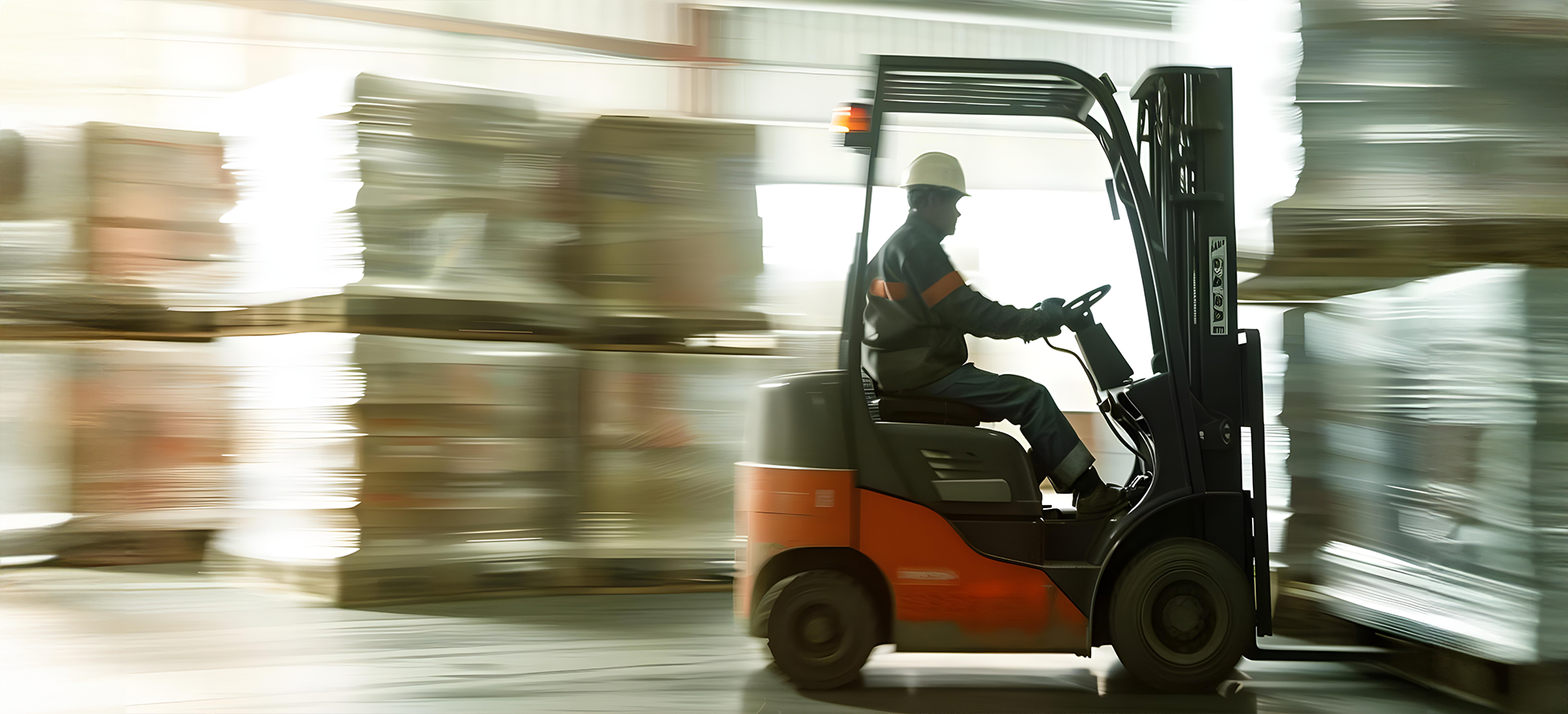
Forklifts are often at the heart of many warehousing and manufacturing processes. These machines help move materials, perform manufacturing duties, load and unload trucks, and move materials.
When there is a breakdown in the forklift, it is not necessarily that of the machine alone.
It may have an impact on all operations of loading, unloading, picking, restocking, and dispatch. Any unexpected repair will add up to the cost of operation and place more burden on other machines of the fleet.
Knowing what causes forklift breakdowns and implementing preventive maintenance procedures can prevent organisations from incurring unnecessary losses.
What Is Forklift Downtime and Why Does It Matter?
Downtime for forklift always happens when the forklift is unavailable. Even though downtime is regarded as a maintenance issue, the effects of the problem go way beyond just the maintenance department.
The fact that the equipment is not available for use means that there is delay in activities within the warehouse. This implies that the workers are idle. Thus, downtime is not a maintenance issue but an operational one.
Planned vs Unplanned Forklift Downtime
Downtime does not always have the same effect.
The planned downtime consists of servicing and preventive maintenance. As it is scheduled downtime, companies can allocate their work and reduce any disturbances that may arise.
Unplanned downtime takes place when forklifts encounter unforeseen problems such as emergencies and repair or simply being down due to a lack of parts. This usually causes more disruption since it happens when it is most needed.
How Downtime Disrupts Warehouse Operations
A single unavailable forklift can affect multiple activities across a facility.
This may impact:
- Material movement
- Picking operations
- Pallet handling
- Loading and unloading
- Production support
- Dispatch schedules
As a result, warehouse forklift downtime often creates wider operational challenges than many businesses initially expect.
Also Read: What is Forklift Pre-start Checklist?
How Forklift Breakdowns Affect Warehouse Productivity
The operational impact of downtime extends far beyond the equipment itself. In many facilities, one unavailable forklift can affect multiple interconnected processes.
Delays Material Movement
Forklifts are responsible for moving products between storage, receiving, staging and dispatch areas.
When equipment becomes unavailable, bottlenecks can develop, slowing the movement of goods throughout the warehouse.
Creates Workflow Bottlenecks
Warehouse tasks often depend on each other.
When one forklift is unavailable, delays can spread to picking, replenishment and production support activities. A mechanical issue in one area can quickly affect several others.
Increases Pressure on Other Forklifts
When a forklift is removed from service, the remaining fleet usually absorbs the additional workload.
This can increase:
- Usage hours
- Operator waiting times
- Equipment workload
- Wear and tear
Over time, this additional pressure may contribute to further forklift breakdowns.
Affects Dispatch and Delivery Schedules
Delays in picking, staging and loading activities can have a direct effect on outbound operations.
Even a short interruption can affect dispatch schedules, delivery timelines and overall forklift productivity.
The Hidden Costs of Forklift Breakdowns
Most businesses focus on the repair invoice when evaluating downtime.
However, the true forklift breakdown costs often extend well beyond the direct repair itself.
Direct Repair and Maintenance Costs
Unexpected repairs may involve:
- Replacement parts
- Labour
- Emergency servicing
- Call-out fees
- Specialist repairs
Frequent equipment failures can also increase long-term forklift maintenance costs.
Lost Productivity and Labour Costs
In case of unavailability of equipment, operators can either end up spending time on waiting or use alternative inefficient modes of handling.
Labor costs are often needed to mitigate delays and overcome loss of productivity.
Delayed Orders and Operational Disruption
Delay in operation can influence the throughput rate of a warehouse and order fulfilment.
The problem that starts with equipment can in time lead to operational inefficiency.
Premature Equipment Replacement
Equipment that is not properly taken care of will have more problems over time.
When forklift failure expenses become too high, the company may consider replacing it.
Common Causes of Forklift Breakdowns
Understanding what causes downtime can help businesses take steps to prevent it.
Missed or Inconsistent Maintenance
Skipping servicing appointments can allow small mechanical issues to develop into larger faults.
Routine maintenance remains one of the most effective ways to prevent avoidable breakdowns.
Wear and Tear on Key Components
Several components require regular inspection, including:
- Tyres
- Brakes
- Forks
- Chains
- Hydraulic components
- Batteries where applicable
Ignoring wear can increase the likelihood of equipment failure.
Operator Practices and Overuse
Overloading, incorrect operation and unsuitable operating conditions can place additional stress on equipment and contribute to premature wear.
Age and Equipment Condition
Older forklifts may require more frequent inspections and maintenance depending on their usage history and overall condition.
How to Reduce Forklift Downtime and Control Maintenance Costs
The bright side of the story is that most of the reasons for downtime could be prevented.
Companies exploring how to reduce forklift downtime should pay attention to preventative maintenance and early failure detection.
Follow a Preventative Maintenance Schedule
Performing services in accordance with the schedule provided by the manufacturer may help to detect potential problems prior to breakdown.
It will also help manage forklift maintenance costs.
Carry Out Regular Pre-Start Inspections
Daily inspections can identify visible issues before the forklift enters service.
Key checks may include:
- Tyres
- Forks
- Brakes
- Steering
- Hydraulics
- Warning systems
Address Minor Issues Early
Small mechanical concerns rarely improve on their own.
Investigating unusual noises, leaks or performance changes early may help prevent larger repairs and reduce future forklift downtime costs.
Keep Critical Parts and Service Support Accessible
Access to replacement parts, qualified technicians and responsive servicing support can significantly reduce repair delays.
Monitor Fleet Performance
Tracking key performance indicators can help identify recurring issues.
Useful information includes:
- Breakdown frequency
- Repair history
- Downtime records
- Maintenance costs
- Equipment utilisation
This data can help identify underperforming forklifts before major problems develop.
When Should You Repair, Replace or Hire a Forklift?
Every fleet eventually reaches a point where repair, replacement or temporary hire must be considered.
When Repair Makes Sense
Repairs are often appropriate when equipment remains reliable overall and faults are isolated or manageable.
When Replacement May Be More Cost-Effective
If maintenance costs continue to increase and reliability declines, evaluating a replacement forklift may become the more practical option.
When Hiring Can Help Reduce Operational Disruption
Forklift hire may assist when:
- Equipment is undergoing extended repairs
- Demand temporarily increases
- Additional lifting capacity is required
- A replacement has not yet been purchased
While not appropriate in every situation, hire can help minimise operational disruption during periods of reduced equipment availability.
Why Choose Heavy Lift Forklifts for Maintenance and Fleet Support?
Heavy Lift Forklifts supports businesses with servicing, repairs, preventative maintenance, spare parts, forklift hire and forklift sales.
Our experienced technicians understand the importance of equipment reliability and fast response times when issues arise.
By helping businesses maintain equipment, respond to repairs efficiently and make informed fleet decisions, we assist customers looking to improve equipment performance and reduce avoidable downtime.
Also Read: What Licences and Training Do You Need to Operate a Hired Forklift?
Frequently Asked Questions
Some of the main causes of forklift breakdowns include missed servicing, worn parts, improper use by operators, ageing machinery and faults that remain unresolved. These issues can increase forklift breakdown costs through repairs and operational disruption.
Downtime costs can vary due to several reasons including the cost of repairs, inefficient working of the workforce, operation interruption and productivity loss.
Forklift downtime can be reduced by performing preventive maintenance, daily inspection, quick repair, and effective fleet management.
Yes, frequent maintenance of the forklifts will help to detect and solve problems before they become major breaks.
Yes, it is possible by hiring more forklifts temporarily for the machinery under repair.
Conclusion
Failure in a forklift is not just an issue of the availability of the machine, but it may also cause low productivity in the warehouse, labour inefficiency, and operational costs increase.
Preventive maintenance, inspections, prompt repairs and effective fleet management will assist you in reducing downtime.
If your business suffers from downtime issues, feel free to get in touch with Heavy Lift Forklifts for servicing, repairs, hire and more fleet management solutions.