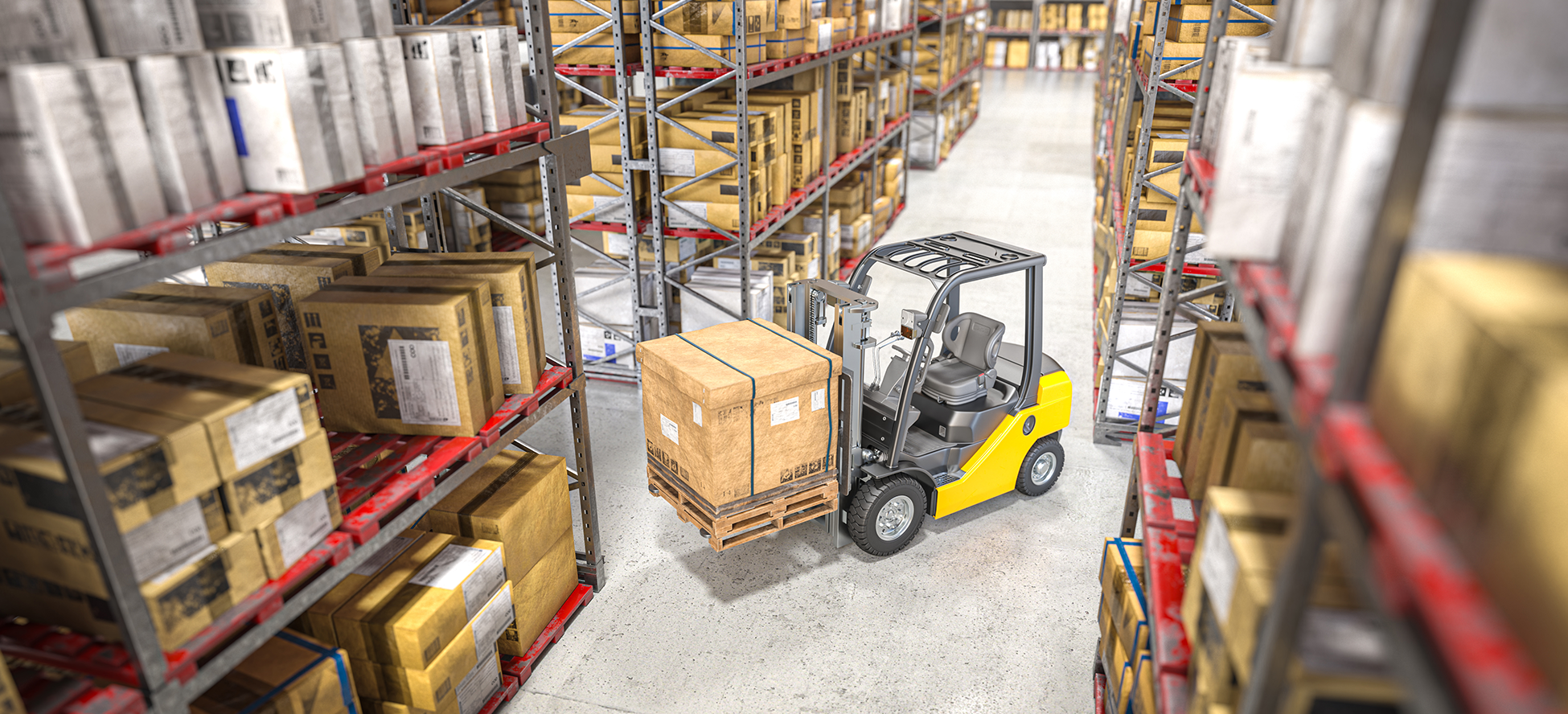
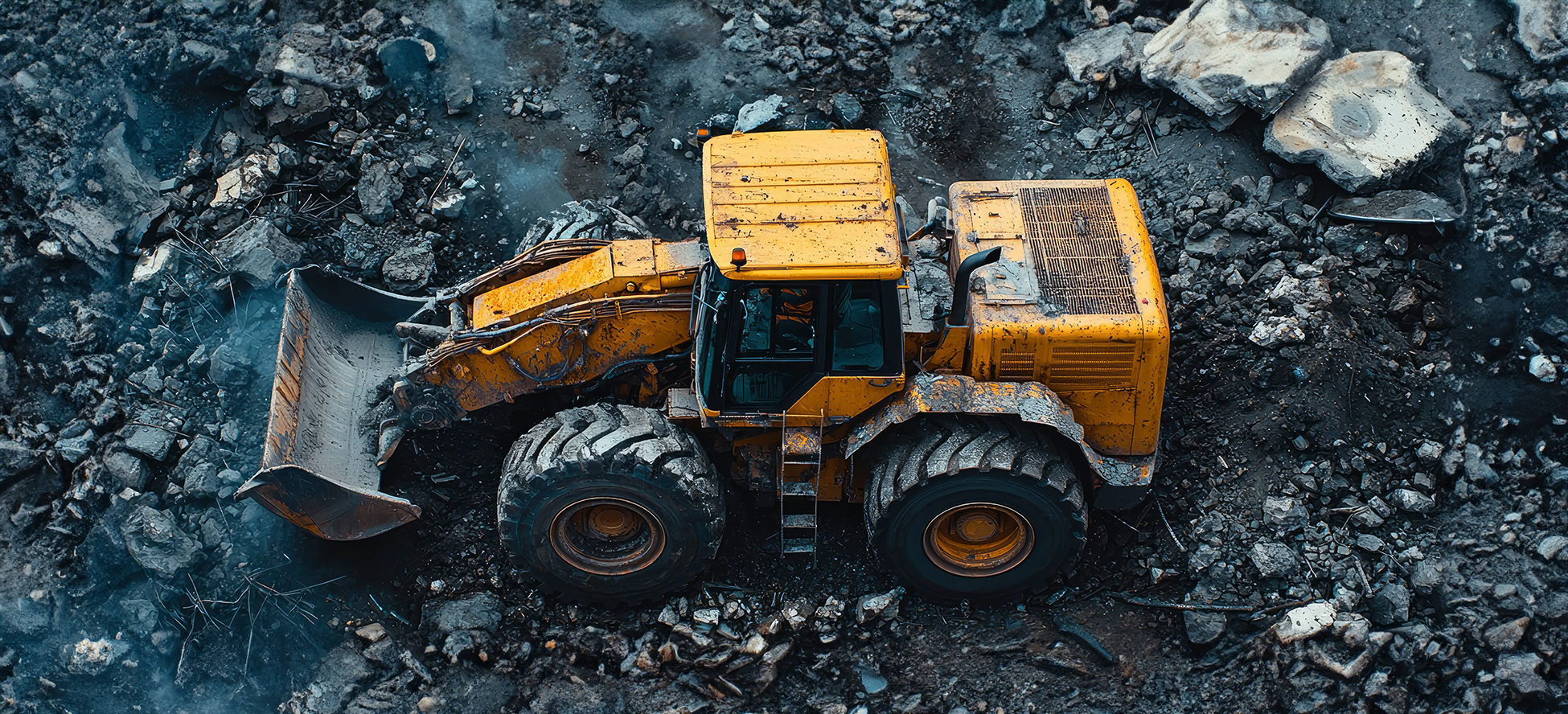
Vineyards don’t make life easy for equipment. Uneven ground, gravel rows, seasonal workloads that swing from quiet to flat out during harvest, and heavy pallets that need moving without damaging the vines or the crop.
Getting the right vineyard forklift in place makes a real difference to how smoothly all of that actually runs, and it directly affects productivity, safety, and how much strain the operation puts on staff day to day.
Why Choosing the Right Vineyard Forklift Matters
Working Across Uneven Terrain
Vineyards rarely offer flat, predictable ground. Gravel roads, slopes, and muddy patches after rain are all part of the job, and a forklift that isn’t built for that kind of terrain struggles fast, or worse, becomes a safety risk on unstable ground.
Supporting Harvest & Daily Operations
A vineyard forklift is certainly going to be put to good use even outside of harvest period, transporting grape bins, pallets, fertilizer, and various other equipment on the premises throughout the year. During the time of harvest, it will become one of the most intensively used pieces of equipment on the premises.
Efficiency and safety enhancement
Proper equipment minimizes manual handling, increases the speed of movements around the premises, and reduces the daily risks associated with having employees manually transport heavy objects and operating equipment inappropriate for the type of terrain they have to work in.
What Is a Rough Terrain Forklift?
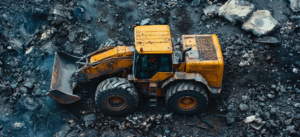
A rough terrain forklift is built specifically for outdoor conditions that would trip up a standard warehouse forklift.
Key Features
- Large tyres designed to handle gravel, dirt, and uneven surfaces without losing traction
- High ground clearance, keeping the machine clear of ruts, rocks, and rough patches
- Four-wheel drive, adding stability and traction across slopes and soft ground
- Genuine stability on surfaces that would unsettle standard equipment
Best Applications
Rough terrain forklifts are ideal for vineyards, farms, orchards, and outdoor agricultural operations generally, anywhere the ground itself is part of the daily challenge, not just the load being carried. Among forklifts for vineyards specifically, this outdoor capability tends to matter more than almost any other single feature.
Advantages & Limitations
The strengths are clear: genuine outdoor capability, stability on rough ground, and reliable performance in conditions that would stop a standard forklift. The trade-off is that rough terrain forklifts aren’t always the best fit for tasks needing significant height or extended reach, which is exactly where a telehandler sometimes makes more sense instead.
Also Read: What is a telehandler?
Rough Terrain Forklift vs Telehandler: What’s the Difference?
Working out rough terrain forklift vs telehandler for a vineyard comes down to a few genuine differences between the two machines.
Lift Height & Reach
A rough terrain forklift lifts with a standard mast, straightforward and effective for most vineyard tasks. A telehandler adds an extending boom, reaching higher and further, useful for stacking bins at height or accessing awkward spots a standard mast can’t.
Manoeuvrability in Vineyards
Row spacing and turning radius matter enormously in a vineyard setting. A rough terrain forklift tends to manoeuvre more comfortably in tighter rows, while a telehandler’s reach can be worth the trade-off on properties with wider spacing or more varied terrain.
Load Capacity & Stability
Both machines handle vineyard loads capably, but stability considerations shift once a telehandler’s boom is extended, since reaching further out reduces the safe load capacity compared to keeping the load close to the machine.
Operating Costs & Maintenance
Rough terrain forklifts are generally simpler machines, which tends to mean lower purchase and maintenance costs over time. Telehandlers, with their additional boom mechanism, typically cost more upfront and carry higher ongoing maintenance needs, a trade-off worth weighing against how often that extra reach actually gets used.
How to Choose the Best Forklift for Vineyards
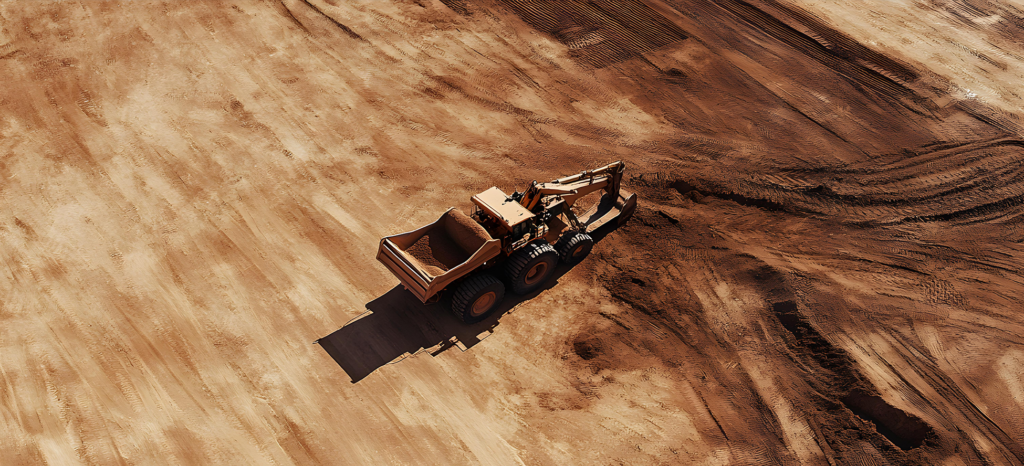
Choosing a vineyard forklift properly comes down to a few honest questions about your specific property.
Consider Your Terrain
Steep slopes, loose gravel, or consistently muddy conditions all point toward genuine rough terrain capability being non-negotiable, not just a nice-to-have.
Evaluate Your Daily Tasks
Think about what the forklift actually does most days, moving bins, transporting supplies, stacking pallets, and whether any of those tasks need the extra height or reach a telehandler provides.
Think About Seasonal Workloads
Harvest season puts far more demand on equipment than the quieter months. It’s worth choosing a machine that comfortably handles your busiest weeks, not just an average day.
Plan for Future Growth
A vineyard expanding its planted area or increasing production down the track may outgrow equipment chosen only for today’s workload, worth factoring in before committing to a specific machine.
Also Read: Top 5 Industries in Melbourne That Benefit from Forklift Hire
Why Australian Vineyards Choose Heavy Lift Forklifts
Heavy Lift Forklifts supports vineyard and agricultural businesses with expert equipment recommendations tailored to the terrain and workload of each property, not a generic suggestion. When it comes to forklifts for vineyards, that includes new and used forklifts for those ready to invest, flexible forklift hire for seasonal needs, and ongoing servicing and repairs to keep equipment reliable through harvest and beyond. The goal is matching the right machine to your vineyard specifically, whether that’s a rough terrain forklift or a telehandler.
Frequently Asked Questions
Depends on your terrain and what you’ll need from the equipment. A rough terrain forklift would be a good choice for most vineyards’ grounds, but you might want to look into a telehandler as well, depending on whether you’ll be needing more reach or height.
The first one will have a standard mast to lift loads, designed to work on uneven grounds. The second one will feature a telescopic boom for lifting high and reaching far at the increased price of acquisition and maintenance.
Yes, they are among the most frequently selected equipment types when it comes to vineyards’ grounds because it’s designed to work on them. The ability to move around the uneven terrain, slopes, and gravel is typically the decisive factor in selecting rough terrain forklifts for Australian vineyards.
Yes, if you need additional height or reach from time to time, as well as to stack bins and access those hard-to-reach places, a telescopic boom of the telehandler is an option worth considering.
Yes, they can. The team will be able to take a look at the ground of your vineyard and your daily operations and recommend you the proper vineyard forklift for Australia.
Find the Right Forklift for Your Vineyard
The right equipment makes vineyard work faster, safer, and considerably less strain on your team, whether that’s a rough terrain forklift built for your rows or a telehandler for extra reach. Talk to Heavy Lift Forklifts for expert advice matched to your terrain, lifting needs, and operational goals.