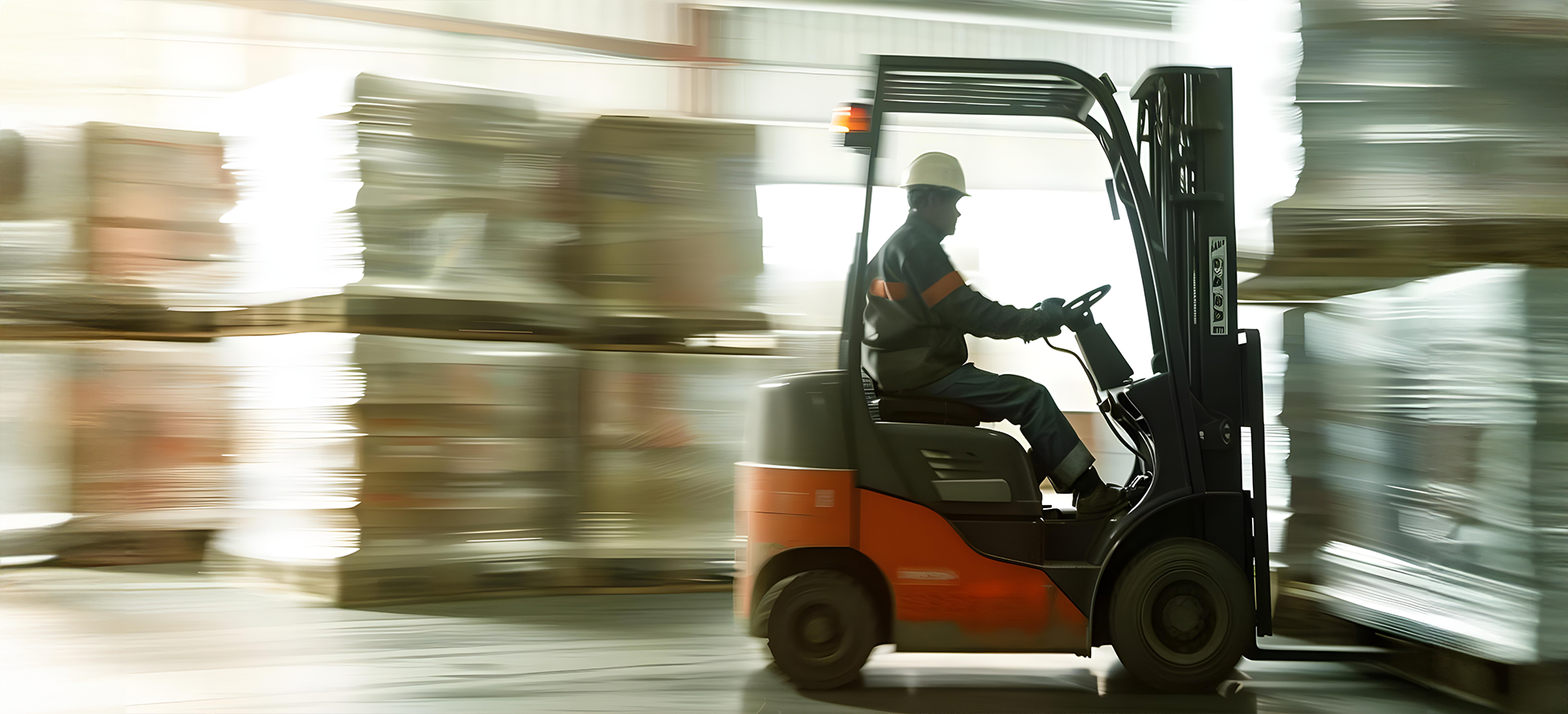
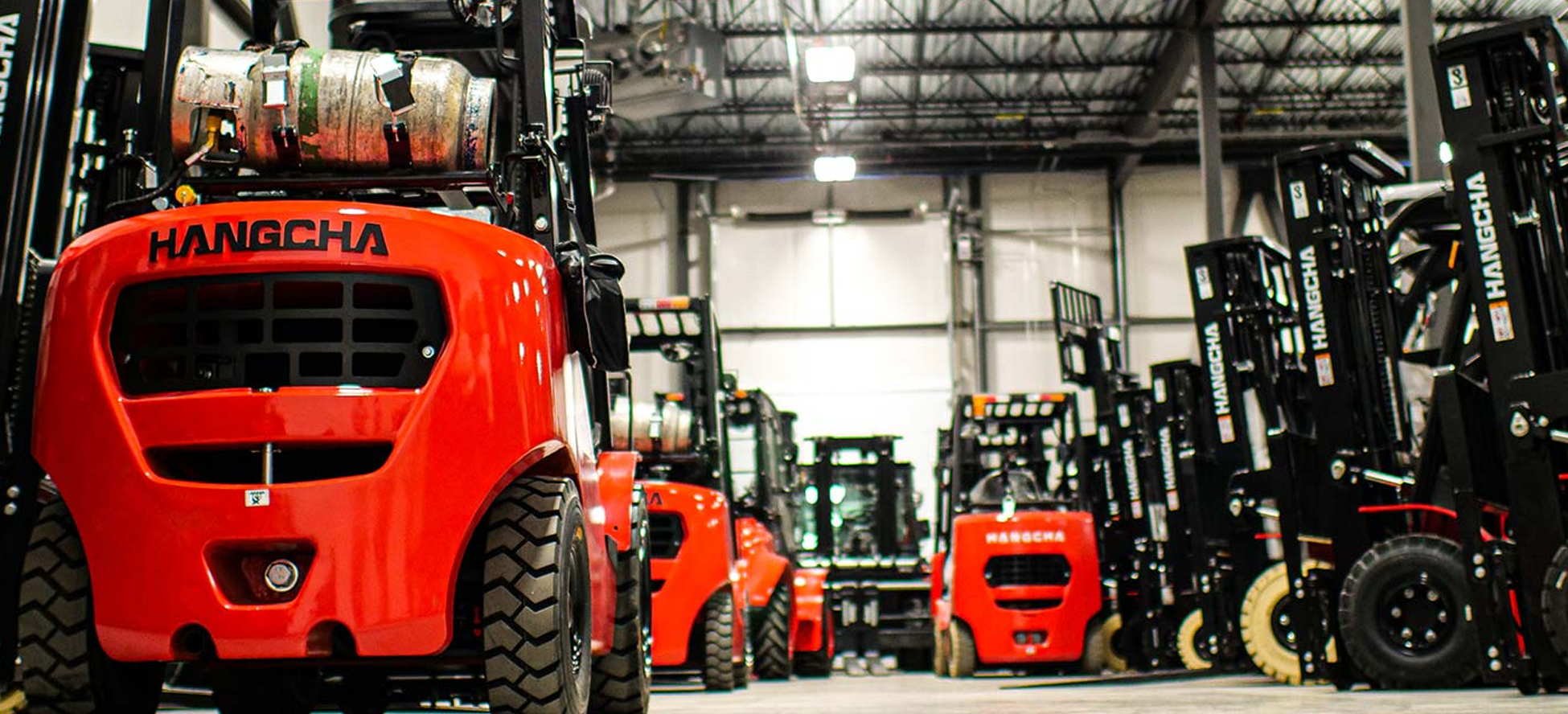
Every company that depends on forklifts is eventually confronted by the same dilemma – to repair a worn-out unit or buy a forklift replacement.
While the repair might seem cheaper at first glance, frequent problems, increasing costs of forklift repair services, and decreased efficiency may ultimately render the repair uneconomical.
This decision should not be made based on the forklift age factor. There are several criteria for a decision on whether to repair or replace forklifts that one needs to consider.
How Long Should a Forklift Last?
There is no definite answer regarding the life span of a forklift.
Life span of the forklift will depend greatly on how the equipment is being used and maintained. Some forklifts last for many years but some might have to be replaced in the course of time because of their intense use and operating conditions.
What Determines Forklift Lifespan?
Several factors influence the lifespan of a forklift, including:
- Hours of use
- Operating environment
- Load intensity
- Maintenance history
- Operator practices
- Equipment quality
- Type of forklift
A forklift operating in harsh conditions or handling heavy loads every day may experience greater wear than equipment used more lightly.
Age is Only One Replacement Factor
The age factor is not the deciding one when determining whether it is time to replace the forklift.
The forklift which has aged but has been maintained well can still work without problems, while the younger forklift might have developed many faults due to bad maintenance or high usage.
Instead of concentrating on age, it would be more reasonable to consider the condition of the forklift.
Also Read: Winter Forklift Maintenance
Forklift Replacement Signs: When Repairs May No Longer Make Sense
Every repair does not necessarily translate to the need to replace your forklift.
But here are a few common signs of forklift replacement that you might be able to observe.
Repair and Maintenance Costs Keep Increasing
The surest indicator is the escalating cost of repair.
Though one particular repair expense might not appear very high, the cumulative cost of regular servicing and parts replacement along with increased forklift maintenance expenses could eventually start mounting up.
Breakdowns Are Becoming More Frequent
Repeated breakages could lead to disruption of the warehouse process and lower equipment availability.
Constant maintenance would be an indication of wear and unreliability that could continue to cost money in the future.
It is one of the most common factors that cause companies to consider forklift replacement.
The Forklift Is Frequently Out of Service
Even the smallest repairs can create challenges in situations where there are parts shortages or servicing takes a long time and keeps the equipment from being used.
Too much downtime decreases efficiency and puts extra stress on the rest of the fleet.
Safety or Reliability Becomes a Concern
Any safety concerns, such as problems with braking or steering, must be professionally inspected immediately.
Equipment that continues to have safety concerns may need to be fixed before continuing operations.
The Forklift No Longer Meets Operational Requirements
Business requirements change over time.
A forklift that once met operational needs may no longer offer sufficient:
- Capacity
- Lift height
- Manoeuvrability
- Energy efficiency
- Attachment compatibility
- Technology capabilities
In these situations, a forklift replacement may provide greater long-term value than continued repairs.
Forklift Repair vs Replacement: Which Option Makes Financial Sense?
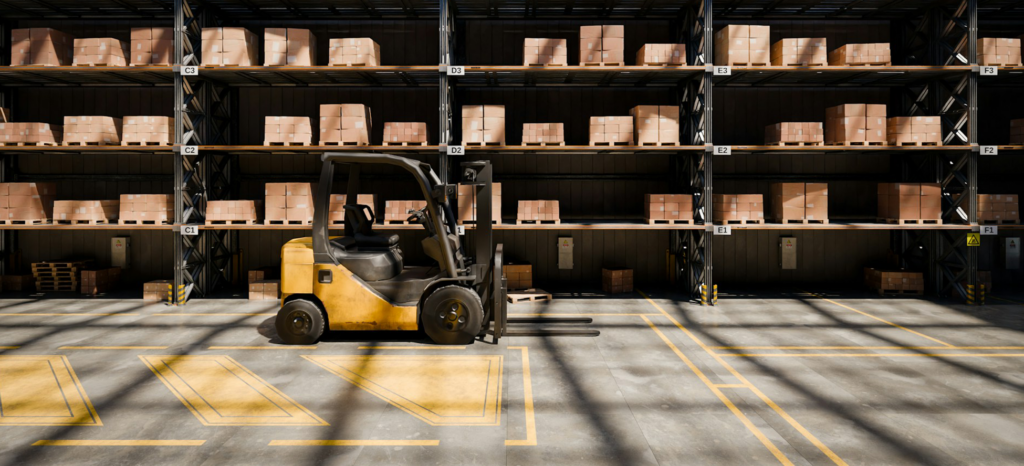
The decision to replace or repair forklift equipment should always involve a broader financial assessment rather than focusing only on the latest repair invoice.
Compare Repair Costs with Replacement Costs
The immediate repair bill is only one part of the equation.
Businesses should also consider:
- Recent repair spending
- Expected future repairs
- Ongoing maintenance costs
- Downtime
- Replacement purchase costs
- Finance or leasing options where applicable
Evaluating all these costs together helps build a more complete picture of forklift repair vs replacement.
Consider the Cost of Downtime
A relatively inexpensive repair may still be costly if breakdowns occur regularly.
Downtime can contribute to:
- Labour disruption
- Delayed warehouse processes
- Reduced equipment availability
- Potential delivery delays
These operational impacts should be included when deciding whether to replace or repair forklift equipment.
Evaluate Total Cost of Ownership
Rather than focusing purely on purchase price, businesses should assess total ownership costs.
This includes maintenance, repairs, downtime, reliability and productivity over the equipment’s remaining life.
How to Assess Your Forklift Before Making a Replacement Decision
Making informed decisions starts with a thorough evaluation of current equipment.
Review Maintenance and Repair History
Start by reviewing:
- Frequency of repairs
- Repair costs
- Recurring faults
- Parts replaced
- Downtime records
This information often reveals trends that may not be obvious when looking at individual repairs.
Assess Current Performance
Consider whether the forklift still meets:
- Load requirements
- Lift requirements
- Operating hours
- Site conditions
- Productivity expectations
If performance no longer aligns with operational needs, replacement may be worth exploring.
Consider Future Business Requirements
Businesses should also think beyond today’s requirements.
A replacement forklift should support future growth, operational changes and evolving workload demands rather than simply replicating existing equipment capabilities.
When Should a Business Consider Forklift Fleet Replacement?
The factors which pertain to an individual machine also hold relevance for a whole fleet.
Multiple Forklifts Are Reaching the End of Their Useful Life
When several forklifts begin experiencing reliability issues at the same time, a planned forklift fleet replacement strategy may help avoid unexpected failures and reactive purchasing decisions.
Maintenance Costs Are Rising Across the Fleet
Increasing forklift maintenance costs across multiple machines can indicate that ageing equipment is becoming less economical to operate.
Monitoring maintenance trends can help identify opportunities for fleet upgrades.
Fleet Requirements Have Changed
Changes in:
- Warehouse layout
- Load profiles
- Operating hours
- Business volume
- Safety expectations
- Equipment technology
may justify reviewing the current fleet.
A structured forklift fleet replacement plan often allows businesses to improve consistency, reliability and operational efficiency.
Can Forklift Hire Help During the Replacement Process?
In some situations, businesses may need equipment immediately while evaluating a replacement purchase.
Forklift hire can provide a practical short-term solution for:
- Temporary replacement during major repairs
- Additional capacity during fleet transitions
- Avoiding disruption while sourcing new equipment
- Short-term requirements before committing to a purchase
While hire is not the right solution for every situation, it can help maintain productivity while longer-term equipment decisions are being made. This is one of the reasons many businesses utilise forklift hire during the forklift replacement process.
Why Choose Heavy Lift Forklifts for Replacement and Fleet Solutions?
Heavy Lift Forklifts offers all types of assistance to our clients at all stages of equipment life cycle, which include sales, rental, repair, maintenance and supply of spare parts for forklifts.
We can provide advice on the current state of the equipment, its performance characteristics and future needs before recommending any changes.
It does not matter whether you want to replace one machine or an entire forklift fleet – we can offer you a solution.
Also Read: How to Clean a Forklift
Frequently Asked Questions
This may be indicated by increased cost of repairs, increased breakdowns, long downtime periods, safety issues, and low productivity.
Main signs for forklift replacement are increased cost of maintenance, increased repairs, low reliability, poor performance, and inability of equipment to perform your needs.
It depends on the state of the equipment, its downtime, repair history and operation cost. Analysis of forklift repair vs. replacement will help you decide.
Average life span of a forklift greatly varies depending on different factors including the use, maintenance, operating environment, etc
Yes, you can do that. Forklift rental is an alternative you can use during repair or replacement of your forklift.
Conclusion
Never base a forklift replacement decision on the age factor alone.
A history of repair and maintenance of the forklift, productivity, downtime and other operational considerations are all very important factors.
Before replacing forklift equipment, it is always advisable to consider the long-term costs and performances associated with repair against those of replacing the forklift.
For more advice on the best course of action to take when considering forklift replacement or repairs, consult the Heavy Lift Forklift team.